Epstein Files: Full Explanation, Names Mentioned, Facts vs Rumors

Published By
Dhruv Thakkar
Approved By
Chirag AroraPublished On
10th Feb, 2026Updated On
10th Feb, 2026Min Reading
7 

Tech Research Today
The release of the Epstein Files has once again shaken global politics, business, media, and public trust. Social media is flooded with claims, lists of names, screenshots of emails, and viral posts—many mixing verified information with speculation and outright rumors. For news readers, it has become difficult to separate what is proven, what is alleged, and what is simply being misinterpreted.
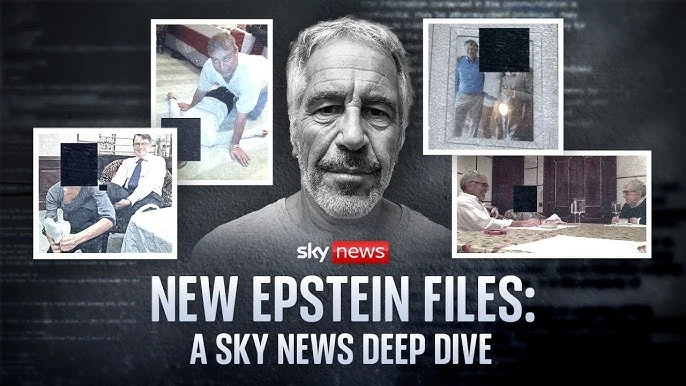
This article clearly explains the Epstein Files by dividing facts from rumors, while answering the most important questions: what happened, why it happened, who is involved, what impact it has had on the world, and what governments may do next.
The Epstein Files are officially released legal and investigative documents connected to the criminal case of Jeffrey Epstein, a disgraced financier who was convicted of sex crimes involving minors. He died in U.S. federal custody in 2019 while awaiting trial. These files collectively provide insight into the scope of the investigations, the evidence gathered by authorities, and the individuals and systems linked to the case.
The release of the Epstein Files is the result of mounting legal, moral, and public pressure over several years. With Jeffrey Epstein deceased and multiple civil cases still unfolding, courts and institutions faced growing demands to prioritize transparency, accountability, and victims’ rights over secrecy.
It’s important to understand that being named in the Epstein Files does not automatically mean a person committed a crime. These documents are raw investigative and legal materials, not final judgments or verdicts. Much of the content was collected as part of broad inquiries, often without confirmation or full context.

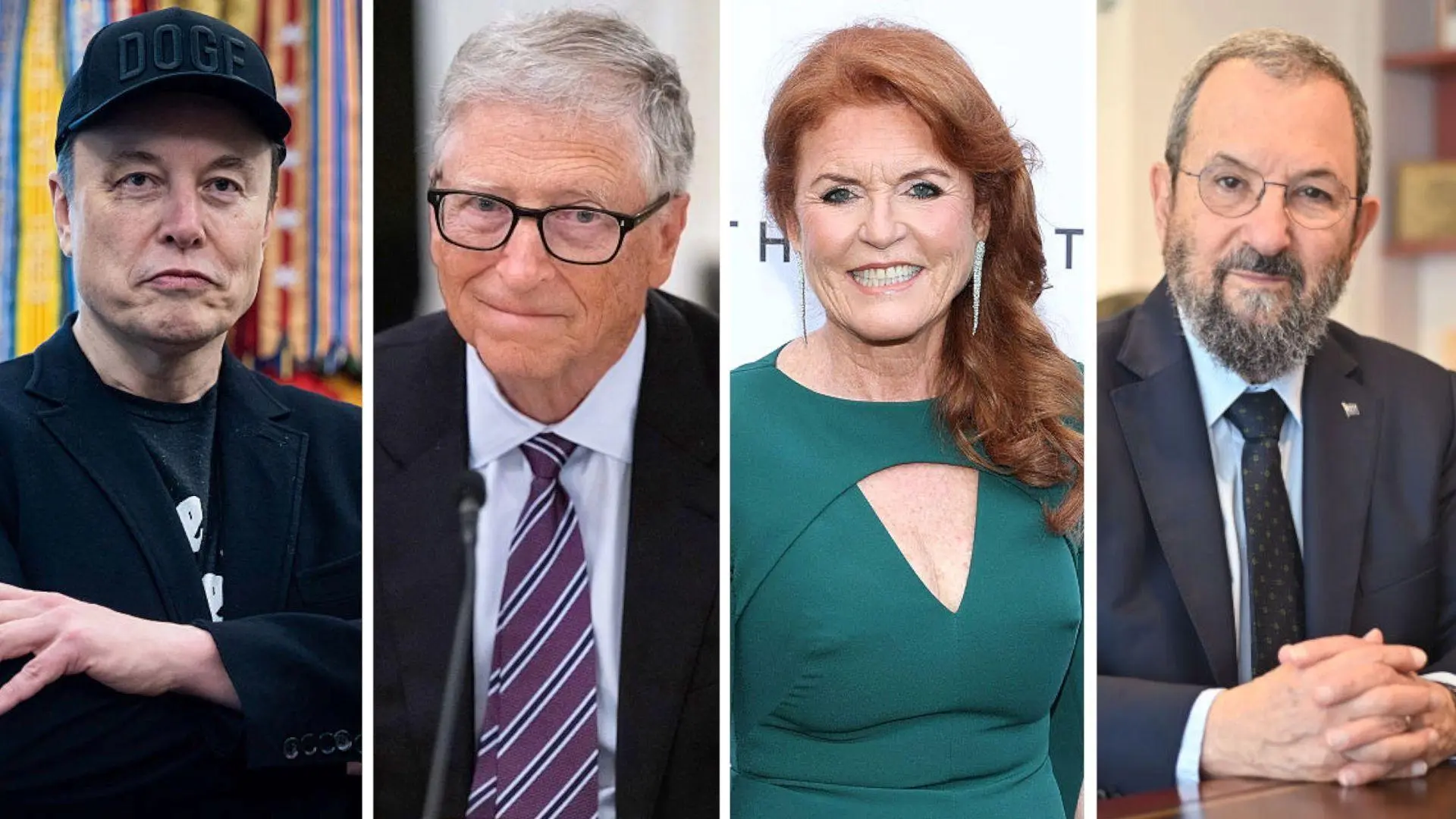
The Epstein Files reference a wide range of individuals from business, politics, royalty, media, and academia. Being mentioned does not imply guilt—the documents include emails, travel references, photographs, and second-hand reports, many of which lack context or verification. What follows is a fact-based overview, organized by category, without assuming wrongdoing.
| Category | Name | How They Are Mentioned | Public Response / Status |
|---|---|---|---|
| Business & Technology | Elon Musk | Appears in email exchanges discussing travel and social plans. | Musk says he never visited Epstein’s island and denies wrongdoing. |
| Bill Gates | Draft emails attributed to Epstein reference Gates. | Gates’ representatives say the claims are false and fabricated. | |
| Sergey Brin | Documents reference visits and dinners. | No allegation of illegal activity is made. | |
| Political Figures | Donald Trump | Frequently mentioned, including in unverified FBI tip-line reports. | Trump denies wrongdoing and says ties were severed years ago. |
| Bill Clinton | Appears in photographs and travel references from the 1990s. | Clinton says he cooperated fully and supports full disclosure. | |
| Ehud Barak | Emails and stay arrangements appear after Epstein’s 2008 conviction. | Barak admits contact but denies witnessing abuse. | |
| Royal & UK Connections | Prince Andrew | Photographs included without contextual explanation. | He has consistently denied all allegations. |
| Sarah Ferguson | Friendly email exchanges are present. | No evidence of criminal conduct is shown. | |
| Peter Mandelson | Financial links and accommodation arrangements appear. | Denies criminality; stepped back from public roles. | |
| Media, Academia & Culture | Noam Chomsky | Emails show advice on handling media scrutiny. | Family says he was misled about Epstein’s actions. |
| Deepak Chopra | Emails reflect poor judgment in tone. | Chopra denies any criminal or exploitative involvement. | |
| Steve Bannon | Messages discuss public-image rehabilitation. | No accusations of criminal activity exist. |
As the Epstein Files circulate publicly, misinformation has spread just as quickly as verified facts. Separating evidence from speculation is essential to avoid false conclusions and reputational harm. Below is a clearer, fact-based breakdown of what these documents do not establish.
The Epstein case is no longer only about Jeffrey Epstein as an individual. It has become a global symbol of how influence, wealth, and institutional silence can intersect—often at the expense of justice and human dignity. The significance of the Epstein Files extends far beyond one man or one country.
The release of the Epstein Files marks a critical moment in the ongoing global conversation about power, accountability, and justice. What began as a criminal case involving Jeffrey Epstein has evolved into a broader examination of how influential individuals can exploit institutional gaps, social privilege, and secrecy to avoid scrutiny for years. The files do not deliver final answers—but they do force uncomfortable questions into the open.
More importantly, these documents underline why transparency matters. They reveal how delayed disclosure can deepen harm to victims, erode public trust, and weaken faith in legal systems. While the files must be interpreted carefully and responsibly, their release represents a step toward acknowledging systemic failures and reinforcing the principle that no individual or institution should be beyond accountability.
Leave a Comment