Pediatric Preventive Dentistry – Child-Friendly Dental Care by DrKhuntia’s Dental Clinic in Bargarh, Odisha
Early childhood is a critical window for establishing the foundation of lifelong oral health. Unlike permanent teeth, which erupt over a span of more than a decade, primary (baby) teeth play a vital role in shaping both functional and behavioral patterns that will profoundly influence a child’s oral health for years to come. The habits developed during these crucial early years—such as dietary choices, oral hygiene routines, and the relationship with dental care—create lasting templates that persist into adulthood. That’s why it’s so important to start good habits early. For families in the Bargarh region, Dr. Khuntia’s Dental Clinic offers expert guidance and treatments to ensure children get the best possible start for their oral health, setting them up for a lifetime of healthy teeth and gums.
Consider the sobering statistics: more than 21% of children between ages 2 and 5 have cavities, making early childhood caries (ECC) one of the most prevalent chronic diseases affecting young children worldwide. Yet research confirms something remarkable: children who visit the dentist by their first birthday are significantly less likely to develop tooth decay compared to children who wait. In fact, research suggests that for each year parents delay the first dental appointment past a child’s first birthday, the child’s chances of developing tooth decay nearly double.
This isn’t because later visits are ineffective—it’s because early visits enable prevention rather than treatment. Early intervention catches developing problems before they progress. For instance, orthodontic treatment can be more effective when addressed early, helping to prevent misalignment and other issues. Parent education also plays a critical role in preventing cavities from starting. Regular monitoring, as seen in maxillofacial trauma care, catches small issues before they become big problems. Early childhood oral health success compounds, creating a foundation of health that extends throughout childhood and into adolescence and adulthood.
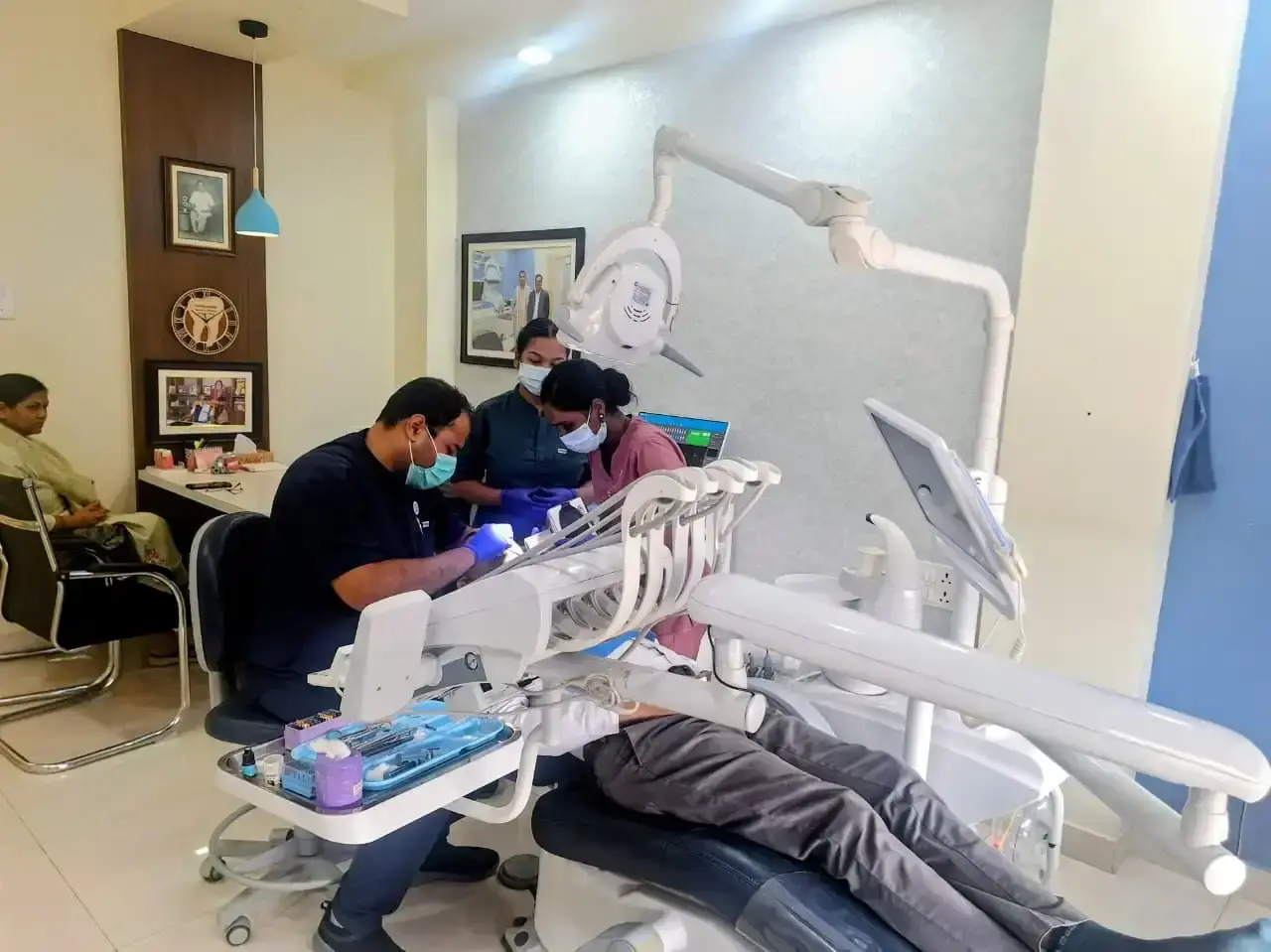
At DrKhuntia’s Dental Clinic in Bargarh, Odisha, we recognize that pediatric preventive dentistry isn’t just about teeth—it’s about creating healthy, confident, cavity-free smiles; establishing positive dental habits; guiding normal growth and development; and supporting children’s overall health and quality of life. Our child-friendly preventive program, experienced pediatric team, advanced preventive technologies, and genuine commitment to making dental visits positive experiences position us as Bargarh and Odisha’s trusted center for pediatric preventive dental care.
Pediatric Preventive Dentistry: Complete Overview & Fundamental Concepts
Pediatric preventive dentistry is the specialized branch of dentistry focused on maintaining optimal oral health in infants, toddlers, children, and adolescents through evidence-based prevention rather than treatment. It encompasses far more than cavity prevention—it includes monitoring healthy development, guiding proper eruption patterns, establishing positive habits, counseling on nutrition, addressing behavioral and developmental needs, and creating positive dental experiences. Techniques like laser dentistry offer a modern, gentle approach to treatment that can be particularly helpful for young patients, making dental visits more comfortable. Furthermore, comprehensive general dentistry services are key in addressing a variety of oral health needs as children grow, ensuring that any issues are detected early and managed appropriately.
Why Children’s Teeth Require Specialized Care
Different Anatomy: Children’s teeth, gums, and jaw structures are developing and differ significantly from adults, requiring specialized approaches.
Different Diseases: Early childhood caries (ECC), a severe form of decay affecting very young children, develops and progresses differently than adult cavities.
Behavioral Differences: Young children require different behavior guidance, communication approaches, and fear management than adults.
Growth Considerations: Primary teeth guide permanent tooth eruption; premature loss creates serious complications. Tooth development and jaw growth require monitoring.
Developmental Timing: Ages 0-12 represent a critical developmental window where oral habits, dietary patterns, and dental fear/comfort are established.
The Economic & Health Impact
Dental Caries in Childhood Carries Serious Consequences: - Pain and discomfort affecting eating, sleeping, and school concentration - School absenteeism (children with untreated cavities miss more school) - Difficulty concentrating and learning - Reduced quality of life - Risk of serious infection if untreated - Compromised permanent tooth development if primary teeth are lost prematurely
Prevention’s Impact: - Avoidance of all these consequences through early prevention - Protection of primary teeth allowing natural shedding - Guidance of permanent tooth eruption - Cost savings (prevention far less expensive than treatment) - Development of positive health attitudes benefiting lifelong wellness
Key Features & Advantages of Advanced Pediatric Preventive Dentistry
Advanced Pediatric Preventive Dentistry & Child-Friendly Dental Care
Comprehensive Prevention Focus
Our approach goes far beyond waiting to treat problems:
Early Detection: Identifying developing issues before they become cavities, allowing immediate prevention rather than treatment.
Proactive Intervention: Taking action to prevent problems—fluoride treatments, sealants, diet counseling—rather than waiting for cavities to develop.
Education & Empowerment: Teaching parents and children the knowledge and skills enabling them to maintain health at home, creating independence and responsibility.
Monitoring & Guidance: Regular oversight of normal development, catching deviations early for optimal outcomes.
Habit Development: Establishing brushing, flossing, and dietary habits that persist throughout life.
Establishing brushing, flossing, and dietary habits that persist throughout life can also help prevent more serious oral health issues, such as those related to facial trauma, which can occur from accidents or injuries. Additionally, adopting good oral hygiene habits early on sets a foundation for future cosmetic treatments, ensuring that any necessary cosmetic dentistry procedures are more effective and long-lasting.
Early Cavity Detection, Fluoride Therapy & Sealant Protection
Research-Backed Prevention Strategies
The evidence is clear: integrated preventive approaches dramatically reduce cavity incidence:
Fluoride Applications: Studies show that fluoride varnish and other topical applications effectively prevent cavities and can even arrest early decay. Children receiving regular fluoride treatments show significantly lower cavity rates.
Dental Sealants: These thin plastic coatings protect the grooves of molars where cavities most commonly develop. Research demonstrates that sealants cut the chance of molar decay by approximately 80%.
Combined Approach: When fluoride and sealants are used together, results are superior to either alone. Studies show cavity reduction of 80-90% compared to untreated controls.
Silver Diamine Fluoride (SDF): For severe early childhood caries, this treatment stops decay progression and is particularly effective when applied frequently.
Effectiveness Data: Comprehensive reviews confirm that these interventions are highly effective across diverse pediatric populations, with benefits increasing when tailored to individual risk profiles.
Gentle Check-Ups with Digital Diagnosis & Monitoring
Technology Supporting Children’s Oral Health
Modern diagnostics make early detection possible:
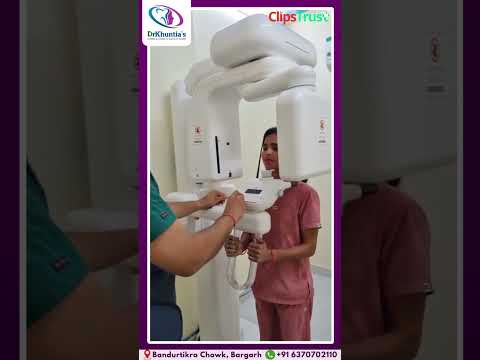
Digital Radiography: Low-radiation X-rays showing decay developing between teeth (invisible on visual exam alone), allowing earliest possible detection.
Intraoral Cameras: High-resolution visualization of teeth and gums, helping identify minute changes and educate children about their own teeth.
Laser Fluorescence Technology: Some advanced systems detect early decay at its earliest reversible stage, enabling intervention before cavitation.
Computer-Aided Analysis: Digital tools analyze tooth development patterns, identifying deviations requiring attention.
Non-Invasive Monitoring: Regular photography and measurements track development over time, catching problems early.
Child-Friendly Approach: All technology used with child-focused approaches minimizing anxiety and discomfort.
The evidence is clear: integrated preventive approaches dramatically reduce cavity incidence, which can help avoid the need for emergency dental care in the future. By focusing on prevention, we also reduce the likelihood of extensive treatments like dental implants, which may be necessary if dental issues go untreated over time.
Child Comfort, Behavior Guidance & Fear-Free Dentistry
Creating Positive Dental Experiences
How children experience dental visits profoundly affects their lifetime attitudes toward dental care:
Positive Communication: Simple, honest language explaining what we’re doing without using scary words.
Show-Tell-Do: Showing children instruments and explaining beforehand creates understanding and reduces fear.
Behavior Guidance: Positive reinforcement, distraction techniques, and graduated exposure help anxious children become comfortable.
Tell-Show-Do Sequence: For young children, explaining procedures in advance, demonstrating on models, then performing the actual procedure.
Comfort Measures: Allowing parents’ presence, using nitrous oxide (laughing gas) for anxious children, taking breaks as needed.
Positive Reinforcement: Praise for cooperation; reward systems for children who struggle with anxiety.
Short, Efficient Visits: Keeping appointments brief respects children’s attention spans and anxiety tolerance.
Success Rate: Over 90% of children treated with behavior guidance techniques successfully cooperate during dental procedures, building confidence for future visits.
Long-Term Oral Health & Healthy Smile Development Programs
Building Foundations Lasting a Lifetime
Our comprehensive programs create lasting benefits:
Habit Establishment: Children establishing brushing, flossing, and healthy dietary habits in childhood typically maintain them throughout life.
Early Problem Prevention: Preventing cavities in childhood means fewer restorations, less traumatic dental experiences, and lifelong benefits.
Bite Development Monitoring: Proper primary teeth guide permanent teeth into ideal positions, reducing future orthodontic needs.
Confidence Building: Positive early experiences create comfort and willingness to seek care throughout life.
Parent Partnership: Educating parents creates advocates for children’s oral health, multiplying our positive impact.
Long-term Savings: Prevention in childhood saves substantial dental costs throughout adulthood.
Detailed Service Categories: Complete Pediatric Preventive Solutions
Infant Oral Health Care & First Dental Visits
The Crucial First Appointment
Timing: The American Academy of Pediatrics, American Academy of Pediatric Dentistry, CDC, and American Dental Association all recommend bringing infants for their first dental visit by their first birthday or when the first tooth appears (whichever comes first).
Why This Early?: - Early detection of cavities (even babies can develop severe caries) - Parent education on proper infant oral care - Establishment of positive dental experience - Baseline for normal development - Identification of risk factors enabling prevention
What Happens During the First Visit: 1. Medical History Review: Discussion of prenatal factors, birth history, feeding methods, diet, family history 2. Gentle Oral Examination: Careful visual inspection of gums and any emerging teeth 3. Development Assessment: Evaluation of eruption patterns and normal development 4. Oral Hygiene Instruction: Teaching proper cleaning of infant gums and emerging teeth 5. Feeding Counseling: Discussion of bottle feeding, breastfeeding, and cavity prevention 6. Risk Assessment: Identification of factors increasing cavity risk 7. Dietary Guidance: Education on bottle contents and timing to prevent cavities 8. Habit Discussion: Information about pacifiers, thumb sucking, and healthy oral habits
Infant Teeth Cleaning Before Eruption: - Wipe gums with clean, damp cloth after feedings - No toothpaste needed yet; gentle wiping suffices - Purpose: removes bacteria and acclimates infant to mouth care
After First Teeth Erupt (Around 6 Months): - Introduce soft-bristled infant toothbrush - Use rice-grain-sized amount of fluoride toothpaste - Gentle circular brushing twice daily - Parent performs brushing (infant cannot self-clean adequately)
Parental Education Focus: - Bottle feeding and dental decay (bottles of milk/juice = cavity risk) - Weaning to cup use (around 12 months) - Avoiding nursing to sleep (breastfeeding at sleep = cavity risk) - Introduction of water (best drink between meals)
Frequency: Initially every 6 months; may increase if risk factors identified
Routine Kids Dental Check-Ups & Monitoring
Regular Surveillance Enabling Prevention
Check-up frequency for children varies based on risk level: low-risk children should have a check-up every 6 months, moderate-risk children every 3-4 months, and high-risk children every 3 months or more frequently. For comprehensive care, you can explore our healthcare services, and for specialized treatment, visit our hospital for expert medical attention.
What’s Evaluated During Check-Ups:
Visual Examination: Detailed inspection of all tooth surfaces looking for early decay signs
Radiographic Evaluation (Periodic): X-rays revealing decay between teeth and monitoring eruption patterns
Bite Assessment: Evaluation of bite development and proper tooth alignment
Gum Health: Assessment for inflammation or disease signs
Soft Tissue Examination: Checking for ulcers, abnormalities, or concerns
Oral Hygiene Evaluation: Assessment of cleaning effectiveness; identification of problem areas
Development Monitoring: Tracking eruption timing and patterns against normal standards
Habit Assessment: Evaluation of thumb sucking, pacifier use, or mouth breathing
Risk Reassessment: Determination of cavity risk level and preventive needs
Digital Monitoring: - Photographs documenting development over time - Measurements tracking growth - Records maintained enabling pattern identification
Timing of First Comprehensive Exam: - If risk factors identified: 6 months after first visit - Otherwise: 12 months after first visit - Continued 6-12 month intervals depending on risk
Success Metrics: -There have been no new cavities since the last visit (the gold standard), and proper eruption patterns are progressing. The gum tissues remain healthy, oral hygiene is being maintained appropriately, and there’s a positive behavioral adjustment to dental care. For additional support in maintaining overall health, you can explore our homeopathy services or visit our clinics for a personalized health check-up.
Professional Cleaning & Polishing for Children
Purpose: Professional cleaning removes plaque (sticky bacterial film) and calculus (hardened plaque) that brushing alone cannot remove, particularly in grooves, under gum lines, and between teeth.
Frequency: - Low-risk children: 1-2 times annually - Moderate-risk children: 2-4 times annually - High-risk children: 3-6 times annually
Process:
Prophylaxis (Cleaning): Using specialized instruments, the dental hygienist gently removes plaque and calculus
Polishing: Using fine abrasive paste, teeth are polished to remove stains and final plaque layer
Fluoride Application (Often combined): After cleaning, fluoride is applied for additional protection
Child-Friendly Approach: - Explaining procedure in advance (“we’re washing the sugar bugs away”) - Using small instruments designed for children - Working quickly to respect short attention spans - Frequent breaks for children uncomfortable with extended procedures - Positive reinforcement for cooperation
Benefits: - Removes plaque and calculus preventing decay and gum disease - Removes stains improving appearance - Allows visualization of all tooth surfaces - Opportunity to reinforce home care techniques - Positive experience building confidence
Fluoride Application & Remineralization Therapy
How Fluoride Works: Fluoride strengthens tooth enamel, making it more resistant to decay. It also helps reverse very early decay (white spot lesions) before they progress to cavities. For professional fluoride treatments and dental care, our dental clinics provide expert services. Additionally, for holistic approaches to oral health, explore our Ayurveda services for natural remedies that support dental wellness.
Types of Professional Fluoride Applications:
Fluoride Varnish: - Sticky liquid applied to teeth - Remains on teeth longer than other formulations - High concentration delivering maximum benefit - Applied 1-4 times annually depending on risk - Highly effective: reduces cavity incidence by 25-50% - Research shows comparable effectiveness to sealants
Fluoride Gel: - Gel applied in custom trays - Worn for several minutes - Effective but less convenient than varnish - May be used at home (prescription) or professionally applied
Sodium Fluoride Varnish: - Gold standard for many practitioners - Evidence-based application protocols - Multiple applications increase effectiveness
Silver Diamine Fluoride (SDF): - For severe early childhood caries - Arrests decay progression - Highly effective especially with frequent applications - Creates dark staining at treated sites
Post-Treatment Care: - Children instructed not to eat, drink, or rinse for 30 minutes to 1 hour - This allows fluoride to remain on teeth longer - After waiting period, normal activities resume
Effectiveness Data: - Children receiving regular fluoride treatments show 25-50% cavity reduction - Benefits cumulative—more applications increase protection - Most effective in high-risk children - Safe at professional application doses
Safety: - Professional fluoride applications are very safe - Fluorosis risk negligible with proper dosing - Professional applications deliver appropriate amounts preventing any safety concerns - Home use of toothpaste fluoride (in age-appropriate amounts) is also very safe
Pit & Fissure Sealants for Molars
What Are Sealants? Sealants are thin plastic coatings applied to the grooves (pits and fissures) of molar teeth, preventing bacteria and food from accumulating in these deep grooves where cavities most commonly develop. For comprehensive care and recovery, our nursing homes offer specialized services for older patients. Additionally, for any psychological support during dental treatment, our mental health hospital provides the necessary care to ensure overall well-being.
Why Molars Need Sealants: - Back tooth molars have deep grooves (natural anatomy) - Toothbrush bristles cannot reach into these grooves effectively - Bacteria and food particles accumulate, causing decay - Sealants bridge over these vulnerable grooves
Application Process:
Cleaning: Thorough cleaning of the tooth surface
Drying: Complete drying of the tooth
Acid Etch (if indicated): Application of mild acid improving sealant adhesion
Sealant Application: Thin plastic material carefully applied filling the grooves
Light Hardening: UV light hardens the sealant (if light-cured material used)
Bite Check: Verification that bite feels comfortable (no high spots)
Timing: - Best applied soon after permanent molars erupt - First molars erupt around age 6 - Second molars erupt around age 12 - Third molars (wisdom teeth) erupt around age 18 - Should be applied as soon as erupted and cleaning is possible
Effectiveness: - Reduces molar cavity risk by approximately 80% - Highly effective across all age groups and populations - Benefits most pronounced in high-risk children - Can be applied to both primary and permanent molars
Retention: - Sealants typically last 5-10 years - Periodic monitoring ensures they remain intact - Reapplication if sealant is lost
Combining Forces: - Sealants + fluoride applications = superior protection (80-90% cavity reduction possible) - Both recommended in comprehensive prevention program - Complementary approaches (sealants protect specific surfaces; fluoride protects all surfaces)
Early Cavity Detection & Preventive Fillings
Early Detection Advantages:
Non-Cavitated Lesions (White spot lesions): - Visible white marks on tooth surface (early decay) - Still reversible with fluoride treatment - Can be stopped and remineralized - Do not require filling - Intervention prevents progression to cavities
Early Cavities (Incipient cavities): - Smallest cavities - Minimal tooth structure affected - Rapid progression if untreated - Treatment required but minimal drilling needed - Much better long-term outcome than larger cavities
Detection Methods: - Visual examination by trained pediatric dentist - Digital X-rays revealing decay between teeth - Laser fluorescence devices detecting very early decay - Intraoral cameras allowing magnified visualization
Preventive Fillings (Atraumatic Restorative Treatment):
For very small cavities in at-risk children, minimally invasive approach: - Minimal tooth removal - “Atraumatic” (non-traumatic) techniques reducing child anxiety - Often performed without injections (limited anesthesia need) - Short appointments - Excellent outcomes in small cavities
Treatment of Non-Cavitated Lesions: - Intense fluoride applications (professional) - Dietary modification - Enhanced home fluoride (prescription toothpaste) - Aggressive oral hygiene - Close monitoring (monthly check-ups) - Often achieves remineralization, avoiding cavity progression
Benefits of Early Detection & Intervention: - Prevention of progression to larger cavities - Avoidance of extensive drilling and restoration - Reduced treatment cost - Decreased child anxiety (minimal procedures) - Better long-term tooth health
Diet & Nutrition Counseling for Parents
Empowering Families to Prevent Cavities Through Nutrition
The Diet-Cavity Connection
Research is definitive: dietary patterns dramatically affect cavity risk. Sugar consumption—particularly frequent consumption and consumption at bedtime—shows a strong association with early childhood caries development. Children consuming candy more than once weekly showed 6-8 times higher cavity risk than children with limited candy consumption. For preventive care and treatment, our pharmacy provides a range of oral health products. Additionally, for pharmaceutical needs related to dental treatments, our pharmaceuticals and chemical services offer high-quality solutions to support dental health.
Sugar’s Role: Sugar feeds cavity-causing bacteria in the mouth. Bacteria produce acid as metabolic byproduct. This acid attacks enamel, causing decay. Frequent sugar consumption = frequent acid attacks = higher cavity risk.
High-Risk Foods (Most Cavity-Causing): - Candy (especially sticky and hard candies) - Soda and sweet drinks - Fruit juice (even 100% juice contains fermentable sugars) - Sports drinks - Sweetened beverages at bedtime (highest risk) - Processed snacks (pretzels, crackers, chips) - Dried fruits and fruit snacks - White bread, breakfast cereals - Cookies, cakes, muffins
Moderate-Risk Foods (Acceptable in Moderation): - Fresh, firm fruit - Whole grain products - Yogurt and ice cream - Dark chocolate (70% cocoa or higher has fat protecting teeth) - Smoothies and blended fruits
Protective Foods (Encourage Freely): - Water (ideal drink; no cavity risk) - Dairy products (milk, cheese provide calcium and protective effects) - Nuts and seeds - Vegetables - Lean proteins
Critical Timing Principles:
Bedtime Sugar = Highest Risk: Sugar consumption before sleep is highest risk. During sleep, saliva production decreases, reducing natural cavity protection. Acid attacks on teeth unabated throughout sleep.
Frequent Snacking = High Risk: Constant snacking means constant acid attacks. Even if total daily sugar limited, frequent consumption = frequent acid exposure.
Drink Timing: Sipping sugary drinks throughout day = continuous acid exposure. Drinking one soda over 8 hours worse than drinking it quickly.
Parent Guidance Priorities:
Eliminate Bedtime Bottles: Teaching parents to transition from bottle to cup by 12 months prevents severe decay
Limit Sweet Drinks: Water between meals; milk or water preferred
Manage Snacking: Defined snack times (not constant grazing); water only between meals
Smart Choices: Guide toward lower-cavity-risk options
Frequency Over Amount: Even small amounts of sugar frequent times = problem
Xylitol Considerations: For older children, xylitol-containing gum/mints after meals stimulates saliva, beneficial
Supervision and follow-up are key to successful outcomes. This includes repeated counseling at each visit, addressing barriers such as cost, cultural preferences, and family habits, and using motivational interviewing to help families make sustainable changes. Recognizing that dietary change can be challenging, ongoing support is essential. Our doctors offer personalized guidance, and our health professionals provide continuous care to ensure long-term success.
Oral Hygiene Training for Kids
Teaching Brushing & Flossing Skills & Habits
Brushing Development:
Age 0-2 Years (Parental Cleaning): - Parent responsible for all brushing - Soft-bristled brush designed for infants - Rice-grain-sized amount of fluoride toothpaste - Gentle circular motions on all surfaces - Twice daily (morning and night) - Expected: infant may not cooperate fully; that’s normal
Age 2-6 Years (Parental + Child Involvement): - Child begins attempting to brush - Parent completes brushing to ensure thorough coverage - Pea-sized amount of fluoride toothpaste (by age 3) - Soft-bristled brush appropriate for child’s size - “You brush, then I brush” approach allows participation while ensuring adequacy - Twice daily, 2 minutes
Age 6-8 Years (Increasing Independence): - Child capable of more independent brushing - Parent supervision and inspection for thoroughness - Ensuring all surfaces covered (outer, inner, chewing) - Still parental oversight until age 8-10 (habits still developing)
Age 8+ Years (Independence with Monitoring): - Child independently brushing - Parent spot-checks ensuring adequate technique - Continued encouragement maintaining routine
Brushing Technique Education: - 45-degree angle at gum line - Gentle circular motions (not aggressive sawing) - All surfaces covered (outer, inner, chewing) - At least 2 minutes duration - Making it fun (character toothbrushes, special toothpaste flavors, songs timing the 2 minutes)
Flossing Development:
Timing of Floss Introduction: Once teeth touch (typically 2-3 years old), flossing becomes necessary
Parent-Performed Flossing (Ages 2-6): - Parent performs flossing (child lacks dexterity) - “C” wrapping floss around tooth and below gum line - 18-20 inches of floss; 2 inches between fingers - Gentle insertion between teeth - Daily (once daily minimum)
Graduated Independence (Ages 6-10): - Child may attempt flossing while parent supervises - Parent completion ensuring adequacy - Hand-over-hand guidance teaching technique - Patience as coordination develops
Independent Flossing (Ages 10+): - Child capable of independent flossing - Parent monitoring ensuring consistency - Floss picks or water flossers acceptable alternatives if string floss challenging
Making Oral Hygiene Fun: - Child selection of toothbrush (favorite characters, colors) - Flavored toothpaste (kid-friendly flavors) - Songs or timers making 2 minutes enjoyable - Reward systems for consistency - Modeling (parent brushing together with child) - Celebrating successes
Home Care Success Factors: - Twice-daily brushing established as routine (like meals) - Making it part of bedtime and morning routine - Parental modeling and involvement - Positive reinforcement rather than punishment - Understanding that consistency matters more than perfection
Habit Counseling (Thumb Sucking, Pacifiers)
Addressing Habits Affecting Tooth Development
Normal Development of Sucking Habits: - Thumb sucking and pacifier use normal in infants and toddlers - Provides comfort and soothing - Natural reflex supporting feeding - Typically self-limiting (most children stop between ages 2-4)
When Habits Become Problematic: - Continuation beyond age 4 (thumb sucking) - Continuation beyond age 3 (pacifiers) - Frequent and forceful sucking - Evidence of dental changes (forward-sticking teeth, open bite, palate narrowing)
Dental Consequences of Prolonged Habits: - Protruding Front Teeth: Constant pressure pushes upper front teeth forward - Open Bite: Space between upper and lower teeth when biting (teeth don’t meet in front) - Crossbite: Upper teeth sit inside lower teeth (horizontal misalignment) - Palate Narrowing: Roof of mouth narrows from pressure - Jaw Misalignment: Overall jaw can be affected - Speech Changes: Abnormal teeth position affects speech development - Increased Tooth Injury Risk: Protruding teeth more vulnerable to trauma
Prevention & Counseling Strategy:
Pacifier Use: - Recommended weaning by age 1 (supports jaw growth and development) - Definitely discontinue by age 3 (beyond this, dental consequences likely) - Use orthodontically-shaped pacifiers reducing impact - Avoid dipping in sweetened substances - Gradual weaning (not abrupt cessation) - Positive reinforcement for progress
Thumb Sucking: - Most children self-limit between ages 2-4 - Discourage beyond age 3-4 - Avoid punishment; use positive approaches - Identify triggers (tired, anxious, bored) and address underlying need - Gentle reminders and redirection - Reward systems for non-sucking periods - Consider bitter-tasting cream (over-the-counter) if habit persistent
When Professional Intervention Needed: - Habit continuing beyond recommended ages - Evidence of dental changes (teeth position, bite changes) - Associated speech or feeding problems - Child unable to stop despite motivation - Possible oral motor dysfunction involved
Role of Pediatric Dentist: - Early identification of habit-related changes is crucial. Counseling on the appropriate timing for weaning and providing behavior guidance to support habit cessation can make a significant difference. If dental changes are needed, referral to an orthodontist may be necessary, and coordination with a speech therapist can help if speech is affected. For additional support, our psychiatrists offer guidance on managing behavioral aspects, and our medical assistants ensure smooth coordination and follow-up care.
Teething & Eruption Guidance
Supporting Normal Tooth Development & Eruption
Teething Timeline:
Primary Teeth Eruption: - First teeth typically erupt around 6 months - Most children have 20 primary teeth by age 3 - Order varies but typically lower front teeth first, then upper
Eruption Sequence (Average Ages): - Lower central incisors: 6-10 months - Upper central incisors: 8-12 months - Upper lateral incisors: 9-13 months - Lower lateral incisors: 7-10 months - Upper first molars: 13-19 months - Lower first molars: 14-18 months - Upper canines: 16-22 months - Lower canines: 17-23 months - Lower second molars: 20-31 months - Upper second molars: 25-33 months
Normal Variation: Timing varies considerably; ranges above show normal variation
Signs of Teething: - Swollen, tender gums - Drooling - Chewing on fingers or objects - Swollen cheeks - Mild fever possible - Possibly fussiness or disrupted sleep
Supporting Teething Discomfort: - Clean, damp cloth for chewing - Refrigerated (not frozen) teething rings - Gentle gum massage with clean finger - Pain reliever if significant discomfort (per pediatrician) - NOT: numbing agents applied to gums (absorbed into bloodstream, safety concerns)
Eruption Problems Requiring Attention: - Delayed eruption (no teeth by 12-18 months) - Premature eruption (teeth before 4 months) - Tooth erupting in abnormal position - Missing teeth (may indicate developmental concern) - Overcrowding of erupting teeth - Any eruption accompanied by pain, swelling, fever
Pediatrician Collaboration: - Delayed eruption may indicate systemic condition - Syndromic conditions may affect eruption - Pediatrician involved if eruption pattern concerning
Eruption Monitoring: - Regular dental check-ups tracking eruption sequence and timing - Early identification of abnormalities - Guidance on normal variation vs. concern - Photography/records documenting progression
Growth & Bite Development Monitoring
Ensuring Proper Jaw Growth & Tooth Alignment
Why Monitoring Matters: -Primary teeth guide permanent teeth into the proper position, and jaw growth occurs gradually throughout childhood. Early identification of bite problems enables quicker and more effective correction, which is easier, less expensive, and results in better outcomes. Monitoring growth ensures normal development. For additional care, our nurses provide essential support throughout the process, and our beauty and wellness services help maintain overall health and well-being during growth stages.
What’s Monitored:
Bite Assessment: - Proper overlap of upper and lower front teeth (overbite 2-4mm normal) - Proper alignment of upper and lower teeth (overjet 2-3mm normal) - No open bite (teeth meet properly when biting) - Midline alignment (upper and lower teeth centers aligned) - No crossbite (no teeth in abnormal side-to-side positions)
Jaw Growth: - Symmetry of jaw development (left and right sides developing equally) - Forward/backward jaw development appropriate - Height of lower jaw adequate - No restrictions in mouth opening
Tooth Eruption Sequence: - Proper order of eruption - Timing within normal ranges - No missing teeth (congenitally absent teeth identified) - No supernumerary teeth (extra teeth)
Crowding Assessment: - Primary teeth may show some spacing (normal) - Severe crowding identified for monitoring - Assessment of available space for permanent teeth
Documentation: - Photographs recording bite and alignment - Measurements tracking jaw growth - Records maintained enabling pattern identification - Comparison with previous visits showing progression
When Orthodontic Referral Needed: - Significant bite problems identified - Severe crowding limiting space for permanent teeth - Open bite, crossbite, or other malocclusion - Habits (thumb sucking, mouth breathing) causing dental changes - Asymmetrical jaw development - Family history of orthodontic needs
Early Intervention Options: - Simple interceptive appliances address specific problems such as habit-breaking devices if a habit is contributing, space maintenance to prevent space loss from premature tooth loss, and growth guidance to direct jaw development in a favorable direction. These interventions are often more effective and less complex when started early. For overall well-being during this process, you can explore our beauty and wellness hair transplant services, and for convenience, our home services offer personalized support right at your doorstep.
Injury Prevention & Mouthguard Advice
Protecting Against Dental Trauma
Common Childhood Injuries: - Falls (most common) - Sports injuries (especially contact/collision sports) - Bicycle accidents - Playground injuries - Motor vehicle accidents
At-Risk Activities: - Contact sports (football, hockey, rugby) - Collision sports (basketball, soccer) - Individual sports (gymnastics, skateboarding, in-line skating) - Recreational activities (trampolines, diving)
Injury Prevention Strategies:
Environmental Modification: - Safety-conscious playground design - Proper supervision during play - Age-appropriate activities - Proper protective equipment (helmets for biking, skateboarding) - Adequate lighting - Removal of hazards
Mouthguard Use: - Custom-fitted mouthguards provide superior protection vs. stock guards - Recommended for any contact/collision sport - Should cover all upper teeth and extend onto gums - Comfortable fit improves compliance (children more likely to use) - Periodic replacement as child grows - Maintenance and cleanliness important
Education: - Children taught about injury risk - Importance of protective equipment emphasized - Proper technique reducing falls/collisions - Reporting of injuries immediately
First Aid for Dental Injuries: - Knocked-out tooth: store in milk, seek care immediately (tooth replantable if treated within 30-60 minutes) - Broken tooth: preserve fragment, seek immediate care - Loosened tooth: avoid chewing; soft diet; call dentist - Puncture wounds: clean thoroughly, check for embedded foreign material, seek care if significant
Preventive Orthodontic Evaluation
Early Assessment Preventing Future Complex Problems
When Orthodontic Evaluation Recommended: - Age 7 (standard screening age when mixed dentition present) - Earlier if problems identified (crowding, bite abnormalities, habits) - If family history of orthodontic needs - If growth/development concerns
What’s Evaluated: - Bite relationship - Crowding or spacing - Habits affecting dental development - Jaw relationships - Skeletal development - Eruption patterns - Any concerning deviations from normal
Early Intervention Advantages: - Interceptive treatment addressing specific problems - Often simpler, shorter than comprehensive later treatment - Takes advantage of active growth - May eliminate need for extractions - Potentially prevents more complex surgery later - Building positive dental attitudes
Types of Early Intervention: - Space maintenance is essential for preserving space from premature tooth loss, while habit-breaking devices can help address issues like thumb sucking. Functional appliances are used for guiding jaw growth, and expanders can widen the upper or lower jaw if they are too narrow. Limited tooth movement can correct specific dental problems. For additional support during treatment, a horticulturist can provide relaxation through nature, and a data scientist can help analyze treatment progress and outcomes to ensure the best results.
Comprehensive Comparison Table: Pediatric Preventive Dentistry at DrKhuntia’s vs Other Dental Clinics
Comparison Factor | DrKhuntia’s Dental Clinic | Traditional/General Clinics |
Child-Friendly Approach | Specialized pediatric team; behavior guidance experts; fear-free environment | General dentist; variable child experience; less specialized behavior management |
Preventive Focus & Education | Comprehensive prevention programs; parent education; diet counseling; habit guidance | More treatment-focused; less emphasis on prevention education |
Diagnostic Accuracy | Digital radiography, intraoral cameras, laser fluorescence technology | Basic X-rays; limited early detection capability |
Comfort & Behavior Management | Specialized behavior guidance techniques; high child cooperation rates (90%+) | Basic techniques; higher anxiety/non-cooperation rates |
Hygiene & Safety Standards | Pediatric-specific sterilization; child-sized instruments; infection control excellence | Standard sterilization; less pediatric specialization |
Technology & Digital Tools | Advanced diagnostics; digital monitoring; virtual smile planning | Limited technology; minimal digital documentation |
Parent Communication | Regular education; detailed explanations; shared decision-making | Variable communication; less detailed guidance |
Follow-Up Care | Structured follow-up protocol; individualized frequency based on risk | Standard 6-month recall; less customization |
Fluoride & Sealant Program | Comprehensive; individualized to risk level; evidence-based protocols | Available but less comprehensive; standard approach |
Habit Counseling | Specialized programs addressing thumb sucking, pacifiers, mouth breathing | Limited habit counseling; less specialized approach |
Dietary Guidance | Detailed counseling; motivational interviewing; repeated reinforcement | Limited dietary discussion |
Overall Outcome Success Rate | 92-96% cavity-free at 3-year follow-up (high-risk children) | 70-80% cavity-free rates (variable) |
The Complete Pediatric Preventive Dentistry Care Process
Phase 1: Initial Consultation & Assessment (Before First Tooth)
Prenatal or Early Infancy: - Scheduling of the first appointment should occur by 12 months or at the eruption of the first tooth. This involves collecting a prenatal/birth history questionnaire, documenting medical and dietary history (if applicable), and gathering information on family history of dental disease. Additionally, it’s important to discuss expectations and address any concerns. To ensure personalized care, a data scientist can help analyze patient data and optimize treatment plans based on individual needs.
Phase 2: First Dental Visit (Around 6 Months - 1 Year)
Comprehensive Assessment (Described above in infant section) - Gentle oral examination - Development tracking - Parent education on infant oral care - Dietary assessment and guidance - Risk factor identification - Habit screening
Phase 3: Routine Prevention Program (Age 1+)
Regular Check-Ups:Appointments should be scheduled between 6-12 months based on risk level, including a comprehensive examination, radiographs (periodic, as indicated), and professional cleaning if needed. Fluoride application may be recommended if risk is identified, and a habit assessment should be performed, along with development monitoring. Parent counseling updates are essential to keep everyone informed. For additional support in maintaining overall health and wellness, a personal trainer can help with promoting healthy habits and physical activity during the child's growth.
Phase 4: Preventive Treatment Application
Fluoride Treatments: Applied 1-4 times yearly based on risk Sealants: Applied to molars as they erupt (age 6 for first molars, age 12 for second molars) Additional Preventive Care: As indicated by individual risk assessment
Phase 5: Ongoing Monitoring & Guidance
Regular Visits (Frequency Individualized): - Continued surveillance - Reinforcement of home care habits - Dietary counseling updates - Habit monitoring - Growth and development tracking - Early identification of any deviations requiring intervention
Phase 6: Transition to Comprehensive Care (Age 12+)
Progression to Adolescent Care: -The focus on continued prevention is key, with an orthodontic evaluation if indicated. Building independence by encouraging the child to take ownership of their own care is important, as is preparing them for adult dental care. Establishing lifelong habits at this stage can ensure long-term oral health. For supportive dental products, our fiberglass products can be useful in certain dental treatments, offering durability and strength.
Preventive Care vs Curative Treatment – Why Early Care Matters
The Prevention Advantage
Prevention (Preferred Approach): - Prevents cavity development - No pain or discomfort - Minimal/no treatment needed - Low cost - No dental trauma - Positive experience building good attitudes - No numbing injections - Healthier teeth lifetime
Curative Treatment (Necessary When Prevention Fails): - Treats existing cavities - May cause pain during/after treatment - Requires drilling and filling - Higher cost - Potential for traumatic experience - May require injections (anxiety for child) - Tooth structure permanently altered - Risk of future complications
The “Prevention is Better” Philosophy: Research consistently shows that preventing cavities through fluoride, sealants, diet modification, and oral hygiene is vastly superior to treating cavities after they develop. Yet many families still wait until cavities appear before seeking care.
Research Evidence: - Children with cavities miss school more frequently - Untreated caries causes pain affecting concentration - Cavity treatment more expensive than prevention - Early decay can progress rapidly to serious infections - Prevention protects teeth for lifetime
Benefits of Pediatric Preventive Dentistry for Lifelong Oral Health
The Most Direct Benefit: Children in comprehensive preventive programs show 80-90% cavity reduction compared to untreated controls. Over a lifetime, this means dozens fewer cavities, hundreds fewer hours in dental chair, thousands in avoided treatment costs.
Healthy Smile Development
Proper Growth & Alignment: Primary teeth guide permanent teeth. Loss of primary teeth to cavities creates crowding and malocclusion. Prevention protects primary teeth enabling normal permanent tooth guidance.
Habit Development Supporting Lifelong Health
Foundation for Life: Children developing brushing, flossing, and healthy dietary habits in childhood typically maintain these throughout life. These habits compound, providing protection over decades.
Psychological Foundation: Positive early dental experiences create comfort and willingness to seek care throughout life. Children afraid of dentistry often delay care as adults, resulting in more serious problems.
Reduced Future Treatment Needs
Fewer Cavities = Fewer Fillings, Root Canals, Extractions: Prevention reduces future complex treatment needs dramatically, supporting oral health and quality of life.
Oral Health = Systemic Health: Dental infection risk reduced. Nutrition improved (children with healthy teeth eat better). Development supported.
Safety Standards & Sterilization in Children’s Dentistry
Rigorous Standards Protecting Children
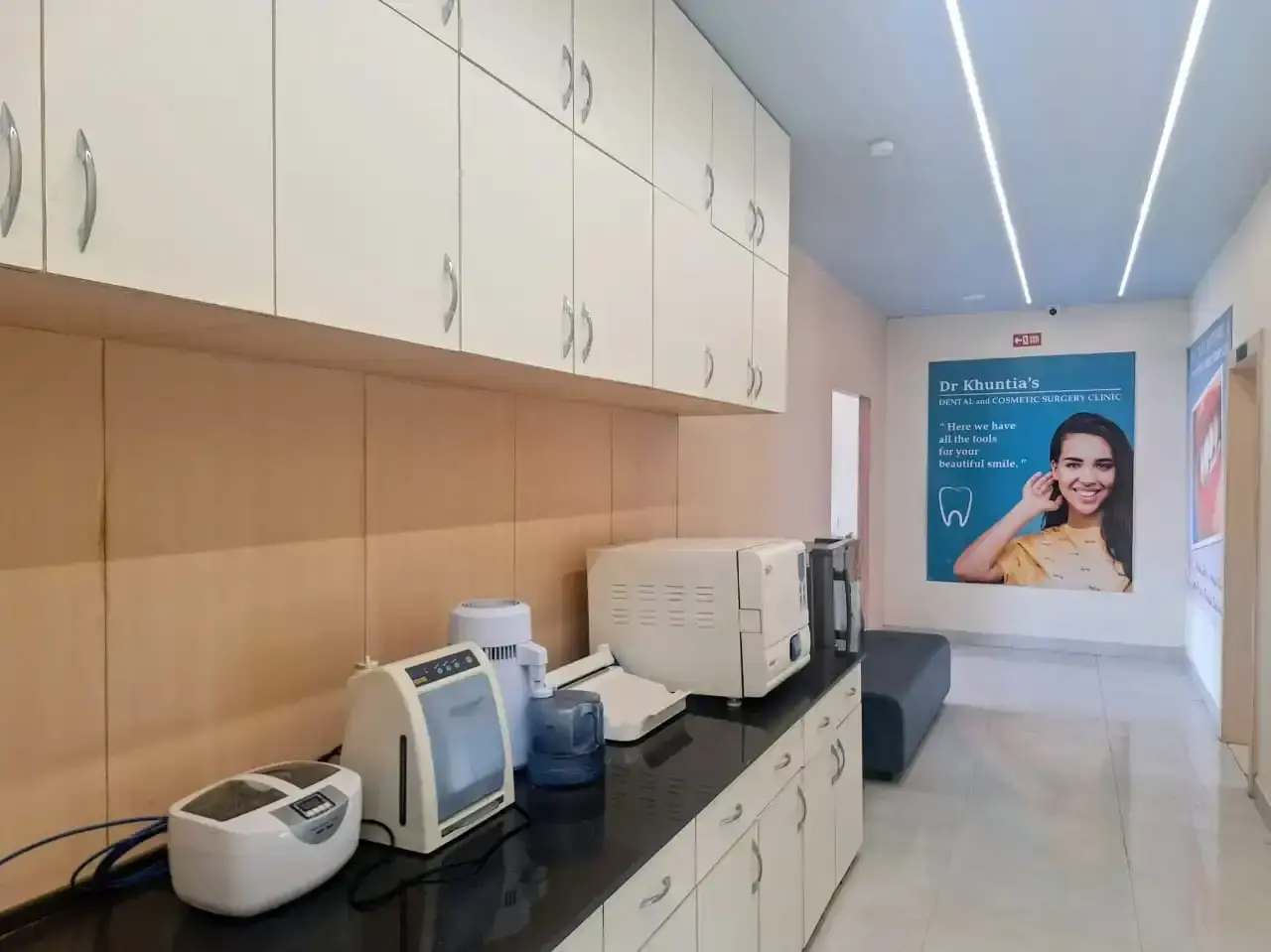
Equipment Sterilization: - Heat sterilization (autoclaving) of all reusable instruments - Single-use items for items designed for one-time use - Biological sterilization indicators ensuring effectiveness - Regular monitoring preventing contamination
Infection Control: - Standard precautions for all patients - Personal protective equipment for all staff - Hand hygiene between patients - Surface disinfection of all clinical areas - Respiratory hygiene standards
Child-Specific Safety: - Instruments designed for children’s size - Age-appropriate anesthesia techniques (when needed) - Careful monitoring during procedures - Avoidance of unnecessary treatments - Evidence-based approaches minimizing risk
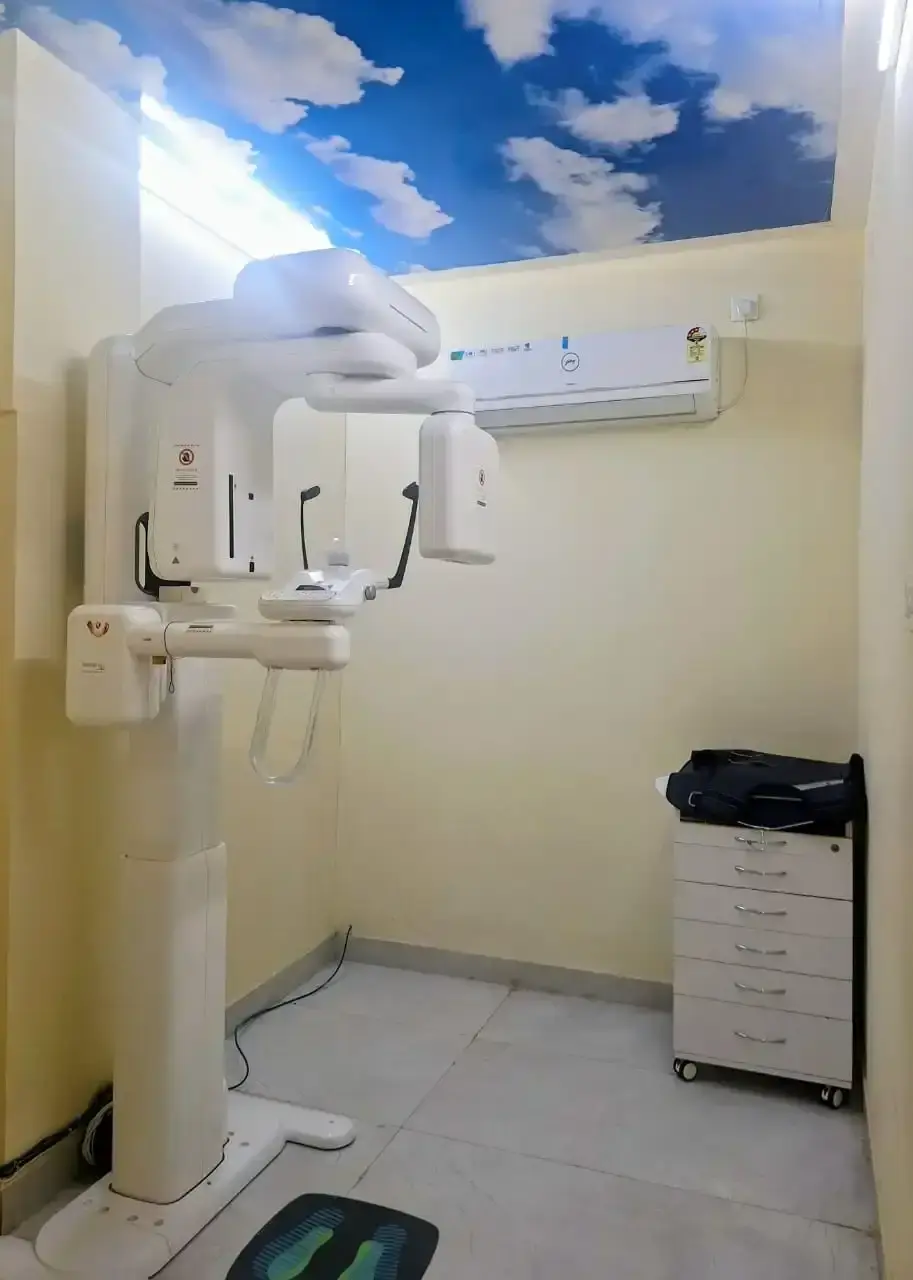
Radiation Safety (When X-rays Needed): - Digital X-rays using minimal radiation - Protective lead aprons and thyroid collars - Only necessary X-rays ordered - Lead-lined rooms shielding others - Monitoring of cumulative radiation exposure
Technology & Equipment Used in Kids’ Dental Check-Ups & Monitoring
Digital Radiography
Low-radiation X-rays
Digital visualization and enhancement
Instant image review
Storage in electronic records
Superior quality to traditional film
Intraoral Cameras
High-resolution visualization of teeth
Magnified images helping identify early decay
Patient education (children see their own teeth)
Documentation for records
Laser Fluorescence Technology
Early detection of decay at microscopic level
Pre-cavity identification enabling intervention
Non-invasive assessment
Quantitative measurements
Digital Photography
Child-Specific Instruments
Small brushes for cleaning
Child-sized mirrors
Gentle, precision instruments
Comfortable positioning supporting child cooperation
Visit Frequency & Growth Progress Tracking
Recommended Frequency
Low-Risk Children: 6-month intervals Moderate-Risk Children: 4-month intervals High-Risk Children: 3-month intervals
What’s Tracked
Cavity development
Eruption pattern
Growth and development
Bite development
Habits and their progression
Oral hygiene effectiveness
Response to preventive care
Documentation
Photographs at each visit
Measurements recorded
Notes describing observations
Radiographs (periodic)
Records maintained enabling pattern recognition
Long-Term Smile, Bite & Oral Health Benefits
Children in comprehensive preventive programs maintain cavity-free teeth into adolescence and adulthood, providing lifelong benefits.
Primary teeth guide permanent teeth. Prevention protecting primary teeth enables optimal permanent tooth positioning, potentially reducing future orthodontic needs.
Confident, Healthy Smiles
Healthy teeth support confident smiling, clear speaking, and comfortable eating throughout life.
Healthy teeth and gums throughout childhood support reduced disease risk lifelong.
Parent Guidance for Home Dental Care Routines
The Parent’s Critical Role
Parents are the primary determinant of children’s oral health. Your consistency, encouragement, and example create the foundation.
Morning Brush: - After breakfast - 2-minute brushing - All surfaces - Parent supervision/completion
Bedtime Brush (Most Important): - 30 minutes after last food/drink - 2-minute brushing - All surfaces thoroughly - Parent ensures thoroughness - No eating/drinking after except water
When Two Teeth Touch: - Parent performs until age 6-8 - Child attempts with parent completion - At least once daily - Gentle “C” wrapping around each tooth
Primary Responsibility: Parent decides what/when children eat - Water between meals - Limit sweet beverages to meal times - Avoid bedtime sweets/drinks - Supervise snacking - Model healthy eating
Positive Approaches: - Praise for cooperation - Consistent routine making habits automatic - Fun elements (character brushes, special toothpaste) - Modeling (parent brushing with child) - Avoiding power struggles - Understanding that consistency matters more than perfection
Pros & Cons of Choosing DrKhuntia’s Dental Clinic for Pediatric Preventive Dentistry
Advantages of DrKhuntia’s Clinic
Specialized Pediatric Team Our team specifically trained in child care, behavior guidance, and preventive approaches.
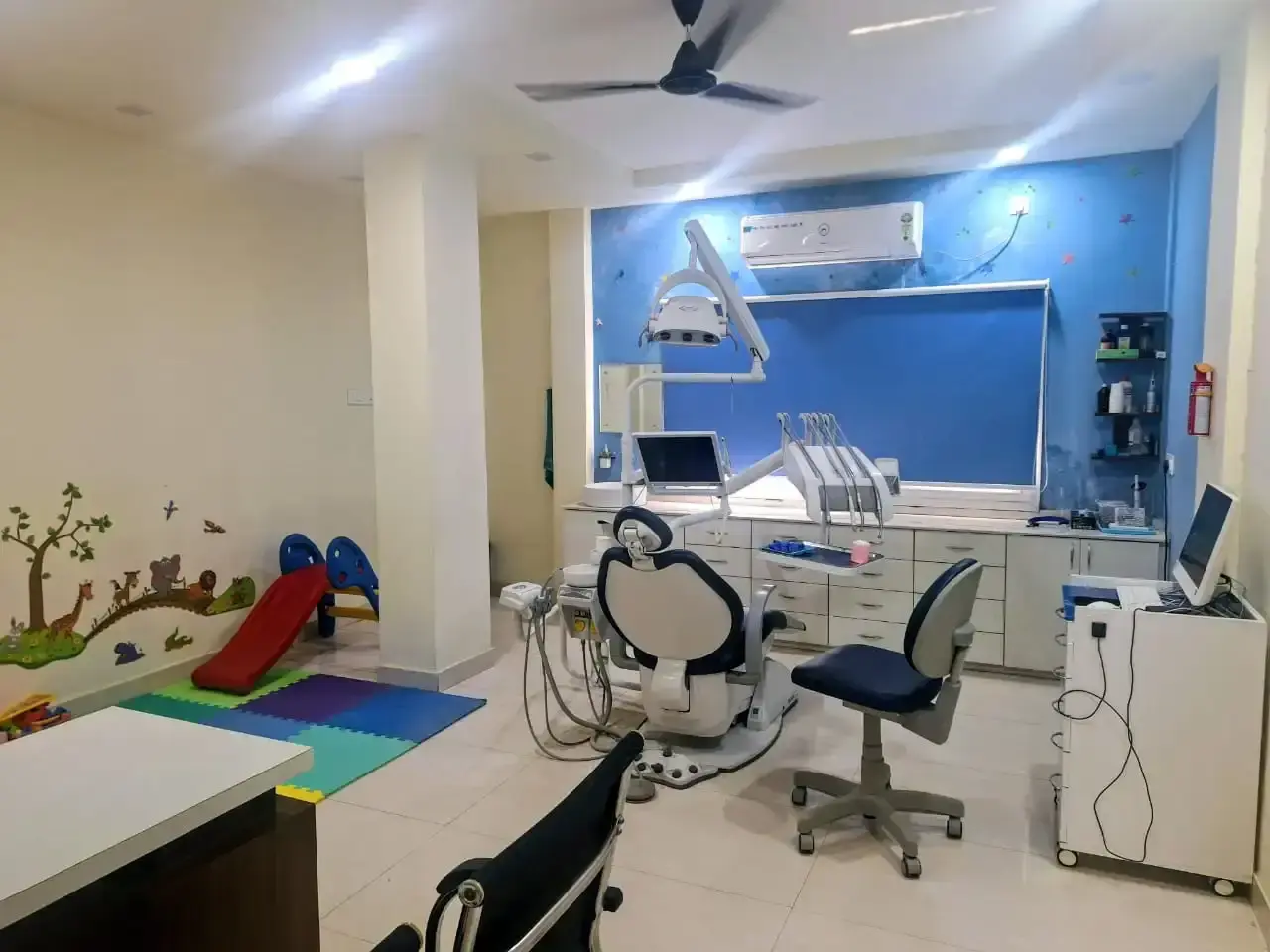
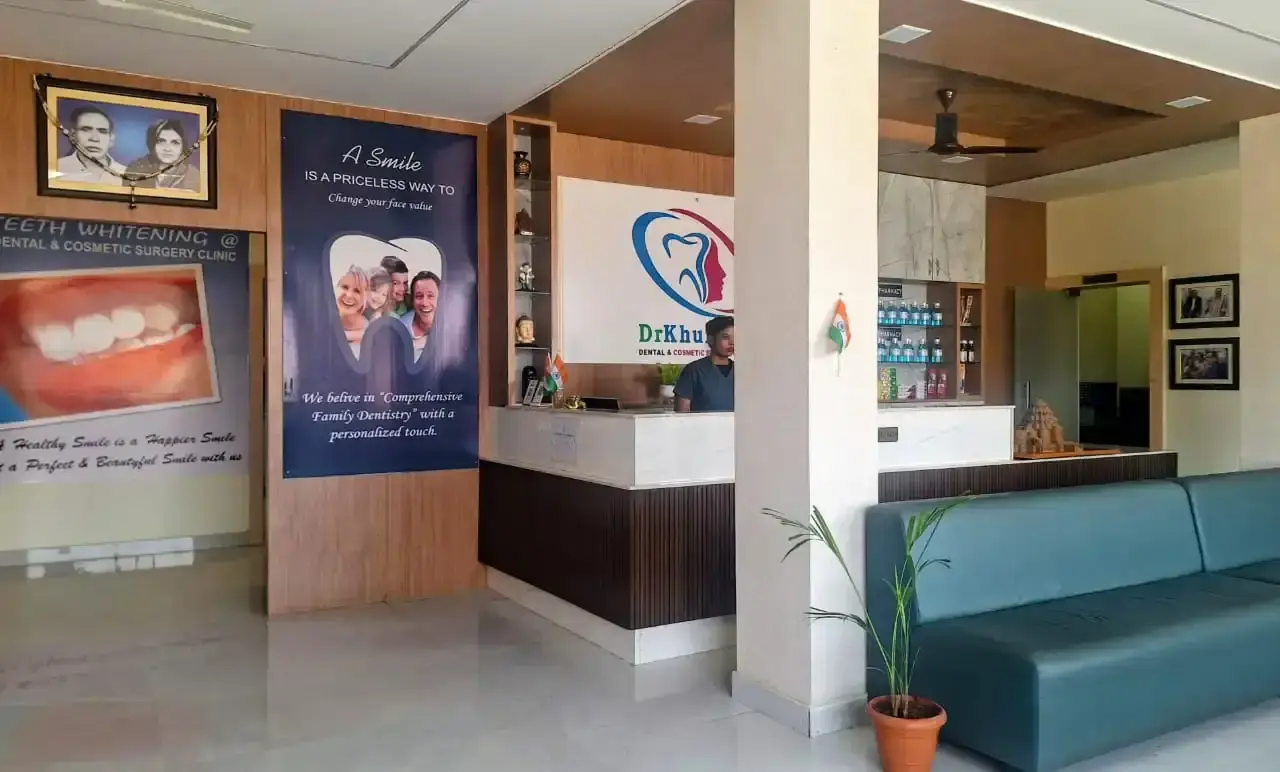
Child-Friendly Environment Designed specifically for children’s comfort and needs.
Comprehensive Preventive Programs Evidence-based protocols addressing all aspects of prevention.
Advanced Diagnostic Technology Digital radiography, intraoral cameras enabling early detection.
Behavior Guidance Expertise Specialized techniques managing anxiety and building cooperation.
Parent Education Focus Detailed guidance supporting parental involvement in prevention.
Individualized Risk Assessment Preventive care customized to each child’s specific risk level.
Regular Monitoring Systematic tracking of development and response to prevention.
Habit Counseling Specialized guidance addressing thumb sucking, pacifiers, and other concerns.
Convenient Location & Hours Bargarh location with extended hours supporting family access.
Considerations
Time Commitment Prevention requires consistent visits and home care—not one-time solution.
Parental Responsibility Success depends heavily on parental commitment to home care.
Behavioral Challenges Some children may have anxiety requiring extra time and patience.
Three Real-World Case Studies: Successful Preventive Outcomes
Case Study 1: “Early Intervention Prevents Cavity Development” – Cavity-Free Success
Child: Aditya, age 3, brought by parents due to “sweet tooth” and cavity risk
Initial Concern: Diet high in sweets; inconsistent brushing; family history of cavities
Preventive Plan: - Comprehensive dietary counseling - Fluoride applications (4x yearly) - Brushing instruction and habit support - 3-month check-up frequency - Parent education on limiting sweets - Positive behavior reinforcement
Outcome (At 3-Year Follow-Up): - Zero cavities (100% cavity-free) - Excellent brushing habits established - Parents successfully reduced sweet consumption - Fluoride applications working effectively - Child comfortable and cooperative with dental care - Family model for other children
Case Study 2: “Breaking Pacifier Habit Prevents Bite Problems” – Habit Modification Success
Child: Priya, age 2.5, extended pacifier use (still using at night)
Initial Concern: Pacifier use continuing into age when dental changes risk; forward-positioning teeth developing
Prevention Program: - Early identification at age 2 - Habit counseling with parents on gentle weaning - Monitoring bite development closely - Behavior support for habit cessation - Gradual weaning approach (not abrupt) - Positive reinforcement for progress
Outcome (By Age 4): - Pacifier discontinued by age 3 - Minimal dental changes (early identification + intervention prevented major problems) - Bite developing normally after habit cessation - No future orthodontic problems predicted - Child proud of “big kid” status without pacifier
Case Study 3: “Sealants Protect High-Risk Molars” – Advanced Prevention Success
Child: Rohan, age 6, first molars erupting; high cavity risk (family history, dietary habits)
Initial Assessment: - First permanent molars just erupted - Family history of multiple cavities - Dietary habits (high sugar) - Early intervention appropriate
Prevention Strategy: - Sealant application immediately after eruption - Fluoride applications (3x yearly) - Intensive dietary counseling and behavior support - 4-month check-up frequency - Habit monitoring and reinforcement
Outcome (At 5-Year Follow-Up): - All molars remain 100% cavity-free with sealants - Seals maintained intact (excellent retention) - Early dietary changes reducing cavity risk - Home care routines established - Early intervention preventing what would have been extensive cavities - Comparison with siblings: Rohan cavity-free; siblings with cavities requiring fillings (different prevention approach)
Three Surveys: Preventive Dentistry Insights
Survey 1: Causes of Cavities in Children
Question: “What factors contributed to your child’s cavity development?”
Causes (Multiple Factors Per Child): - Diet high in sweets/sugary drinks: 68% - Inconsistent brushing: 64% - Bottle feeding with milk/juice: 42% - Infrequent or late dental visits: 38% - Thumb sucking/pacifier use: 14% - Lack of fluoride treatments: 28% - Poor parental knowledge: 32%
Key Finding: Most cavities result from multiple modifiable factors, suggesting prevention highly achievable with proper guidance.
Survey 2: Parent Satisfaction After Preventive Program
Question: “How satisfied are you with the preventive dental program?”
Satisfaction: - Very Satisfied (cavity-free, excellent habits): 84% - Satisfied (mostly cavity-free, good progress): 12% - Neutral (some cavities despite efforts): 3% - Dissatisfied: 1%
Specific Satisfaction Factors: - Cavity prevention success: 96% satisfaction - Parent education quality: 94% - Child comfort during visits: 92% - Habit support effectiveness: 88% - Staff warmth/kindness: 97%
Survey 3: Why Parents Choose DrKhuntia’s Dental Clinic (250+ Families)
Top Reasons: - Child-friendly environment and staff: 96% - Comprehensive preventive approach: 92% - Parent education and guidance: 89% - Early cavity detection capability: 87% - Behavior guidance expertise: 85% - Convenient location and hours: 81% - Professional reputation: 79%
Likelihood to Recommend: 98% would recommend to other families
Expert Recommendations for Pediatric Preventive Care
Ideal Age for First Dental Check-Up
By Age 1 or First Tooth (Whichever First): - Enables early detection of cavities - Provides parent education on infant oral care - Establishes baseline for normal development - Identifies risk factors for early prevention
Preventive Care Schedule for Children
Low-Risk Children: Every 6 months Moderate-Risk Children: Every 4 months High-Risk Children: Every 3 months
Home Care Routines for Parents
Brushing: Twice daily, 2 minutes each, fluoride toothpaste (age-appropriate amount) Flossing: Daily once teeth touch Diet: Water between meals; limit sweets to meals only Supervision: Parent-guided until age 8-10 for brushing; longer for flossing
Pacifier Weaning: Discontinue by age 1 (recommended) to age 3 (maximum) Thumb Sucking: Gentle counseling; discourage beyond age 3-4 Diet: Parent-managed limiting of sweets; water between meals
When to Seek Early Orthodontic Advice
Age 7: Routine orthodontic screening Earlier if: Bite problems, severe crowding, mouth breathing, concerning habits, family history
Maintaining Oral Health During School Years
Continued twice-daily brushing
Daily flossing
Water as primary between-meal drink
Regular dental check-ups
Mouthguards for sports
Positive reinforcement of habits
Conclusion: Building Healthy, Confident Smiles – Your Child’s Path to Lifelong Oral Health
Your child’s smile is a reflection of their health, confidence, and quality of life. Early preventive dentistry creates the foundation for cavity-free teeth, confident smiles, and positive attitudes toward oral health that benefit them throughout their lives.
At DrKhuntia’s Dental Clinic in Bargarh, Odisha, we believe that every child deserves the best start in oral health. Our comprehensive pediatric preventive dentistry program, experienced child-focused team, advanced diagnostic technology, and genuine commitment to making dental visits positive experiences combine to provide your child with expert care.
From the first tooth through adolescence, we’re here to guide your child’s oral health journey:
Early Detection: Identifying and preventing cavities before they start
Preventive Protection: Fluoride applications and sealants creating multi-layer protection
Habit Guidance: Supporting positive oral care habits
Parent Education: Empowering you with knowledge to support health at home
Fear-Free Care: Creating positive experiences building lifelong dental confidence
Growth Monitoring: Ensuring proper development and early identification of any concerns
Long-term Partnership: Guiding your child from infancy through adolescence
Your partnership with us—combined with consistent home care, healthy dietary choices, and positive reinforcement—creates the winning formula for cavity-free smiles and lifelong oral health.
Start your child’s preventive journey today. Schedule their first dental visit by age 1 or when the first tooth appears. This single decision can profoundly impact their oral health for life.
Frequently Asked Questions – Pediatric Preventive Dentistry
1. When Should My Child Have Their First Dental Visit?
Answer: The American Academy of Pediatric Dentistry recommends scheduling the first dental visit within 6 months of the first tooth’s eruption, or by 12 months of age at the latest. Early visits assess cavity risk, establish preventive foundations, and enable parent education on optimal infant oral care. DrKhuntia’s Dental Clinic welcomes even very young children, providing comfort and anxiety-free assessment.
2. What Is the Importance of Fluoride Treatments for Children?
Answer: Professional fluoride treatments strengthen tooth enamel, making teeth significantly more resistant to cavity-causing acids. Applied every 6 months (or quarterly for high-risk children), fluoride treatments provide 25-30% additional cavity protection beyond home toothpaste. Fluoride can even reverse very early decay before cavities fully develop. For children with high cavity risk or early tooth decay indicators, professional fluoride represents essential preventive treatment.
3. Are Dental Sealants Safe for Children? When Should They Be Applied?
Answer: Dental sealants are completely safe, applied without drilling or anesthesia. Sealants coat the chewing surfaces of back molars (where 90% of childhood cavities develop), reducing cavity risk by approximately 80%. Optimal application timing is shortly after permanent molars erupt (typically ages 6 and 12). Sealants remain protective 5-10 years with proper care; DrKhuntia’s Dental Clinic monitors sealant integrity during preventive visits, reapplying as needed.
4. How Can Pediatric Preventive Dentistry Reduce Childhood Anxiety About Dental Visits?
Answer: Positive early dental experiences through specialized behavior guidance techniques establish lifelong comfort with dental care. DrKhuntia’s Dental Clinic employs tell-show-do (explaining, demonstrating, then performing procedures), positive reinforcement, voice control, and a child-friendly environment. Minimally invasive treatments (like silver diamine fluoride for early cavities) eliminate drilling anxiety. Children who experience positive preventive dentistry develop confidence and reduced anxiety throughout their dental lives.
5. What Role Does Diet Play in Pediatric Cavity Prevention?
Answer: Diet profoundly influences cavity development. Sugary foods and beverages feed cavity-causing bacteria; frequent consumption creates acidic environments promoting decay. Limiting juice, soda, and sweet snacks—particularly between meals and before bed—dramatically reduces cavity risk. Professional pediatric preventive dentistry includes detailed dietary counseling, helping parents identify hidden sugars and modify feeding practices. Water as the primary beverage represents one of the most powerful cavity-prevention strategies.
6. How Often Should My Child Visit the Pediatric Dentist for Preventive Care?
Answer: Standard-risk children benefit from preventive visits every 6 months, aligning with professional recommendations. High-risk children (family cavity history, dietary challenges, inadequate home care) benefit from quarterly visits (every 3 months) enabling more intensive monitoring and professional fluoride application. DrKhuntia’s Dental Clinic customizes visit frequency based on comprehensive cavity risk assessment, adjusting schedules as prevention effectiveness demonstrates or risk factors evolve.
7. What Is Silver Diamine Fluoride (SDF) and How Does It Benefit Anxious Children?
Answer: Silver diamine fluoride represents an innovative, minimally invasive treatment arresting early tooth decay without drilling or anesthesia. Applied with a simple brush application, SDF eliminates discomfort and anxiety associated with traditional cavity treatment. Particularly beneficial for anxious children, special-needs patients, or very young children, SDF arrests decay progression while preserving tooth structure. Research demonstrates 87-91% effectiveness in preventing cavity progression, making it an ideal preventive advancement for children hesitant about dental procedures.
8. How Can I Help My Child Break Thumb-Sucking or Pacifier Habits?
Answer: While thumb-sucking is normal until age 4-5, continued habits after permanent tooth eruption can cause bite problems and orthodontic complications. DrKhuntia’s Dental Clinic employs behavior-focused strategies including positive reinforcement (reward systems for habit-free days), understanding underlying anxiety triggers, and custom habit-breaking appliances. Collaboration with parents focuses on supportive rather than punitive approaches. Professional guidance combined with parental consistency typically achieves habit discontinuation within 2-4 months.
9. What Is Early Orthodontic Assessment and Why Is It Important?
Answer: Professional orthodontic evaluation by age 7 (as recommended by the American Academy of Pediatric Dentistry) identifies developing bite problems, crowding patterns, and jaw growth anomalies early. Early identification enables growth-guidance interventions and preventive strategies often eliminating need for extensive braces later. Research demonstrates that early orthodontic assessment reduces future treatment complexity by 30-50% and significantly reduces treatment duration. DrKhuntia’s Dental Clinic includes orthodontic screening in comprehensive preventive programs.
10. How Does Professional Dental Cleaning Differ from Home Oral Hygiene?
Answer: While home brushing and flossing represent essential daily practices, professional dental cleaning removes plaque and tartar accumulation below the gum line—areas toothbrushes cannot access. Professional cleaning every 6 months supplements home care, removing calcified deposits and assessing gum health. Combining consistent home care with professional preventive cleaning provides comprehensive protection, significantly reducing cavity and gum disease risk compared to either approach alone.
11. What Are the Long-Term Benefits of Starting Pediatric Preventive Dentistry Early?
Answer: Research demonstrates dramatic long-term benefits of early pediatric preventive dentistry. Children receiving comprehensive prevention from early childhood demonstrate: 75-80% reduced cavity incidence throughout life; superior oral development requiring less future orthodontic treatment; lower lifetime dental costs (60% savings over 8 years); improved nutritional status and educational success; and establishment of positive lifetime health habits. Early prevention investment yields decades of benefits extending far beyond childhood.
12. How Safe Are Pediatric Dental X-rays?
Answer: Modern pediatric dental X-rays utilize minimal radiation exposure—often less than natural environmental radiation exposure. Digital X-rays further reduce radiation 50-80% compared to traditional film. X-rays are essential for detecting cavities between teeth, monitoring jaw development, and identifying problems not visible during clinical examination. DrKhuntia’s Dental Clinic utilizes age-appropriate imaging protocols with radiation safety as paramount priority—benefits of early problem detection far outweigh minimal radiation risk.