Orthodontic Treatment – Advanced Braces & Perfect Smile Solutions by DrKhuntia’s Dental Clinic in Bargarh, Odisha
Imagine transforming your smile in a matter of months with orthodontic treatment that’s virtually invisible, remarkably comfortable, and requires fewer dental visits than ever before. This isn’t science fiction—it’s modern orthodontics.
For decades, orthodontic treatment meant visible metal braces, frequent adjustments, dietary restrictions, and a 24-30 month treatment journey that many patients dreaded. Today’s orthodontic landscape is unrecognizable, with advanced technologies like invisible clear aligners, tooth-colored ceramic braces, self-ligating bracket systems, and sophisticated digital treatment planning transforming how orthodontists straighten teeth and correct bite problems. Clinics like Dr. Khuntia’s Dental Clinic are at the forefront of this evolution, offering cutting-edge orthodontic treatments tailored to each patient's needs for a smoother, more comfortable experience.
Orthodontic treatment is no longer simply about cosmetics. While a beautiful, aligned smile is certainly a significant benefit, modern orthodontics addresses fundamental oral health needs: proper chewing function, reduced cavity risk, improved gum health, easier cleaning, and prevention of long-term dental complications. Additionally, research consistently demonstrates that orthodontic treatment has profound psychological benefits—patients report dramatically increased self-confidence, improved social engagement, and enhanced quality of life.
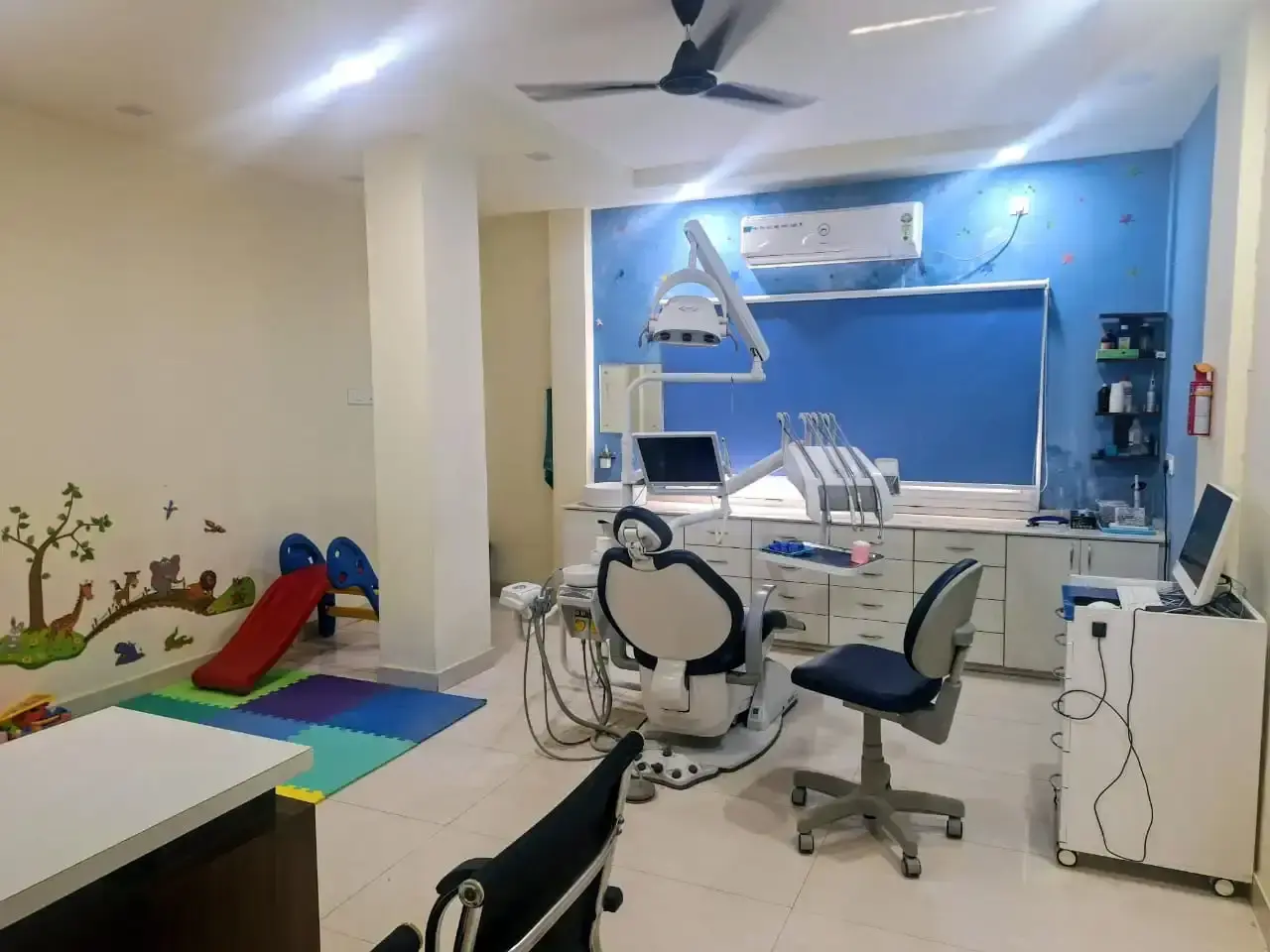
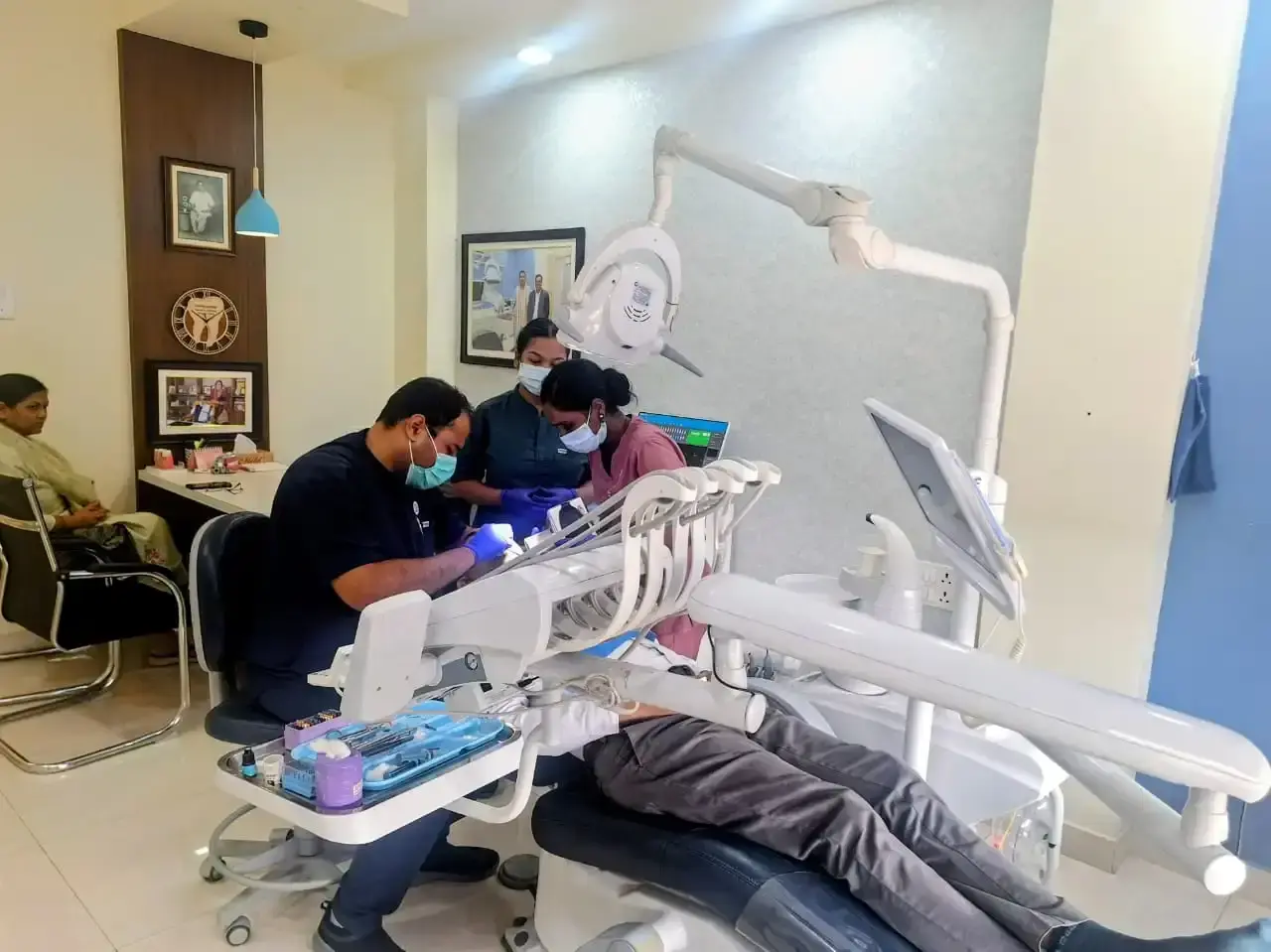
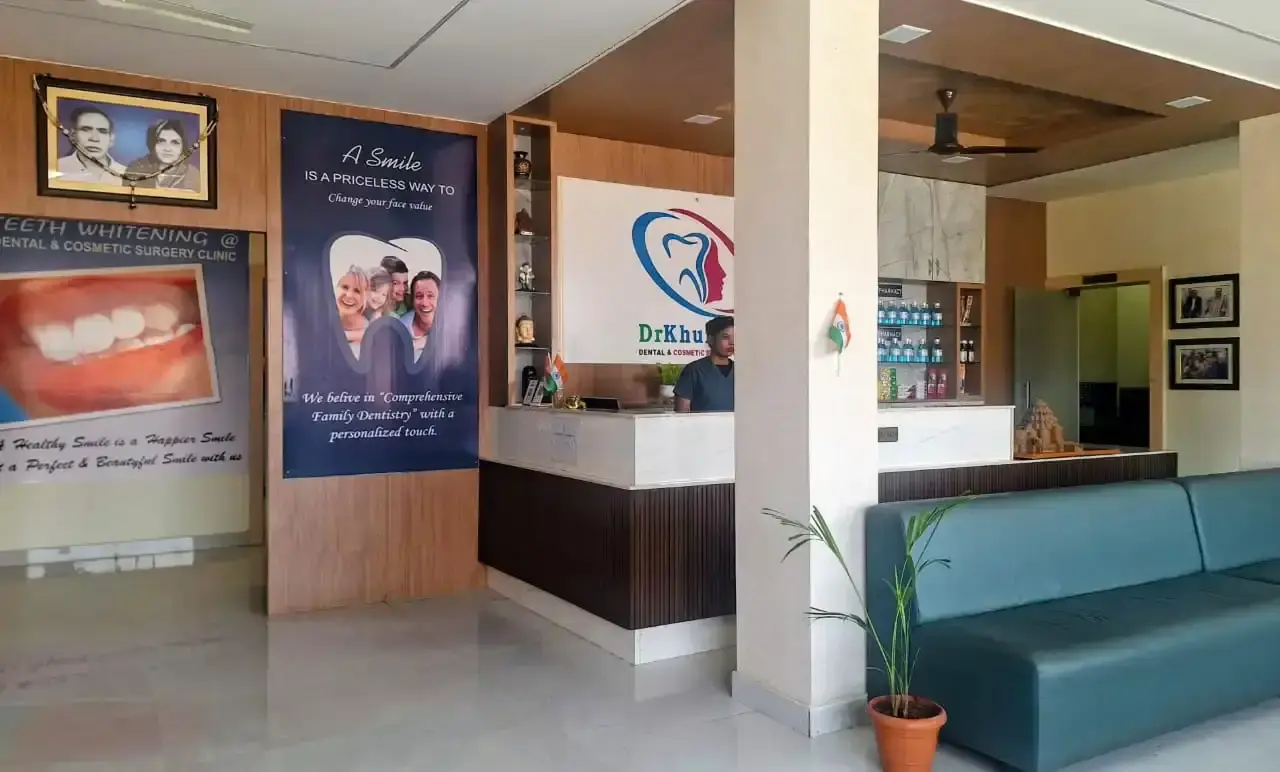
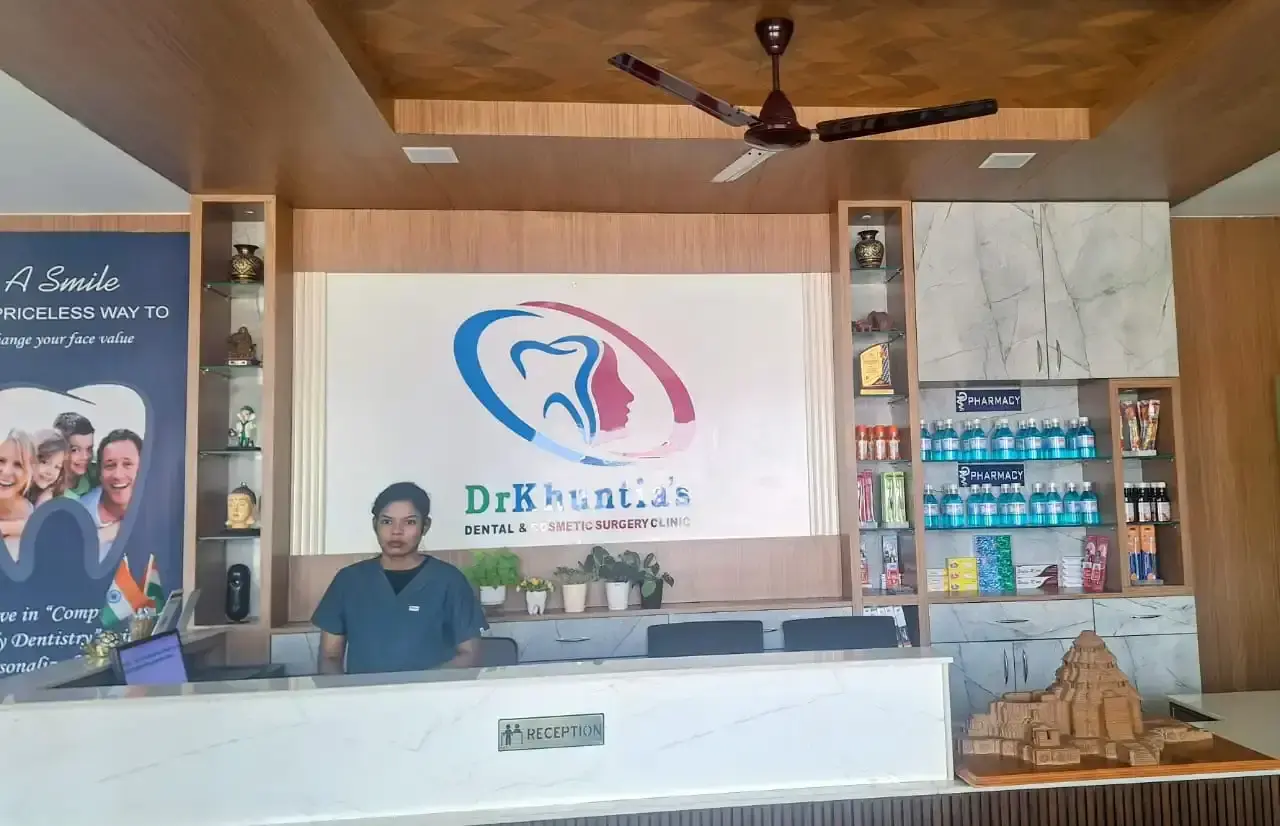
At Dr. Khuntia’s Dental Clinic in Bargarh, Odisha, we’ve embraced this orthodontic revolution. Our state-of-the-art facility, experienced orthodontic team, and comprehensive treatment options ensure that patients of all ages—children, teenagers, and adults—receive the highest standard of care. Whether you’re seeking the latest invisible aligner technology, aesthetic ceramic braces, or efficient metal braces for complex cases, Dr. Khuntia’s Dental Clinic delivers proven orthodontic excellence with genuine patient-centered care. In addition to orthodontics, we offer advanced laser dentistry for precise, pain-free treatments and pediatric preventive dentistry to ensure your child’s teeth are set up for lifelong health.
Orthodontic Treatment: Complete Overview & Fundamental Concepts
Orthodontic treatment is the branch of dentistry focused on correcting misaligned teeth and improper bites through the application of gentle, consistent pressure. The term “orthodontics” literally means “straight teeth,” but modern orthodontics accomplishes far more than aesthetic alignment—it creates healthy, functional smiles that support optimal oral health throughout your lifetime.
What Problems Does Orthodontic Treatment Address?
Orthodontists correct a wide range of dental and bite issues:
Misalignment Issues: - Crowded teeth (multiple teeth competing for limited space) - Spaced teeth (excessive gaps between teeth) - Rotated or tilted teeth (teeth rotated in their sockets) - Impacted teeth (teeth unable to erupt properly)
Bite Problems (Malocclusion): - Overbite (upper front teeth overlap lower teeth excessively) - Underbite (lower teeth protrude beyond upper teeth) - Crossbite (upper teeth sit inside lower teeth) - Open bite (gap between upper and lower teeth when biting)
Complex Cases: - Severe crowding requiring strategic space management - Asymmetrical smiles requiring precise alignment - Jaw relationship problems requiring combined orthodontic-surgical approaches - Cases requiring tooth extraction planning
How Orthodontic Treatment Works
Orthodontic movement is based on fundamental biology. When constant, gentle pressure is applied to teeth, the supporting bone gradually remodels, allowing teeth to move into new positions. This biological process, called bone remodeling, enables teeth to shift through surrounding tissues while maintaining their health and vitality. At Dr. Khuntia’s Dental Clinic, we understand this process intimately and provide personalized care to ensure optimal results. Along with expert orthodontic services, we also offer comprehensive general dentistry to keep your overall oral health in top shape and specialized care for facial trauma to address any injuries to the facial region, ensuring both functionality and aesthetic recovery.
Different orthodontic systems apply this pressure differently: - Braces use brackets bonded to teeth and wires that exert consistent pressure - Clear aligners use sequential custom-molded trays that gradually reposition teeth - Functional appliances guide jaw growth in developing children
The key principle across all systems is consistent, gentle pressure applied over time—not aggressive force that damages teeth or supporting tissues. This approach ensures that the process is both safe and effective, promoting healthy tooth movement without unnecessary risk. At Dr. Khuntia’s Dental Clinic, we prioritize gentle, patient-centered care across all our services. In addition to orthodontic treatments, we also specialize in cosmetic dentistry to enhance your smile and emergency dental care to provide immediate relief and solutions for urgent dental issues.
Key Features & Advantages of Advanced Orthodontic Solutions
Advanced Orthodontic Treatment & Smile Alignment Excellence
Precision Beyond Aesthetics
While smile aesthetics are certainly important, advanced orthodontic treatment at DrKhuntia’s Clinic focuses equally on creating proper bite function and long-term oral health:
Functional Bite Correction: Properly aligned teeth create optimal chewing function, reducing stress on jaw joints and muscles. This prevents temporomandibular joint (TMJ) problems, jaw pain, and headaches that often result from improper bite relationships.
Oral Health Optimization: Straight teeth are dramatically easier to clean than crowded or misaligned teeth. This improved oral hygiene access prevents cavities, gum disease, and tooth loss—the leading cause of tooth loss in adults.
Longevity & Durability: Properly aligned teeth experience more even force distribution during chewing, reducing excessive wear on specific teeth. This extends tooth lifespan and reduces future restorative dental needs.
Skeletal Development Guidance (in growing children): Early orthodontic intervention in children can guide jaw growth, potentially eliminating or significantly reducing the need for jaw surgery in the future.
Invisible Aligners, Braces & Modern Orthodontic Care
The Rise of Invisible Orthodontics
Modern patients often prefer invisible orthodontic options that allow smile transformation without visible appliances. This demand for discreet treatments is met with options like clear aligners, which offer an effective, nearly invisible way to straighten teeth. At Dr. Khuntia’s Dental Clinic, we understand the importance of aesthetics and comfort, which is why we provide a range of cutting-edge treatments. In addition to orthodontic care, we also offer dental implants for replacing missing teeth and specialized care for maxillofacial trauma to treat injuries to the facial structures, restoring both function and appearance. DrKhuntia’s Clinic offers:
Clear Aligners (Invisalign-style systems): Nearly invisible custom-molded plastic trays that gradually reposition teeth. Benefits include discrete appearance, removability for eating and cleaning, and fewer office visits. Ideal for mild-to-moderate cases prioritizing aesthetics.
Ceramic (Tooth-Colored) Braces: Brackets that match tooth color, creating a far more discreet appearance than metal braces while maintaining the effectiveness of traditional braces. Excellent for adults and image-conscious teenagers.
Self-Ligating Braces: Advanced bracket systems that apply pressure more efficiently, potentially reducing treatment time by 2-3 months compared to traditional braces. Reduced friction also means potentially less discomfort.
Traditional Metal Braces: The gold standard for complex cases, offering unparalleled control for severe crowding, bite problems, and cases requiring precise tooth movement. Highly effective, durable, and often most economical.
Precision Diagnosis & Digital Smile Planning
Technology-Driven Treatment Planning
Advanced orthodontic diagnosis and treatment planning uses cutting-edge digital technology:
3D Digital Scans: Instead of messy impression materials, we use 3D scanning technology that captures precise dental and skeletal anatomy. This provides superior accuracy and patient comfort compared to traditional impression methods.
Digital Smile Design: Patients can preview their post-treatment smile before beginning orthodontic treatment. This technology shows how teeth will look after alignment, enabling collaborative treatment planning between patient and orthodontist.
Computer-Aided Treatment Planning: Advanced software calculates optimal tooth movements, predicts treatment duration with remarkable accuracy, and monitors progress throughout treatment.
Virtual Treatment Progression: Some advanced systems allow patients to view their complete treatment progression from start to finish, understanding exactly how their smile will transform.
This technology-driven approach ensures precise, predictable results while enhancing patient confidence and commitment to treatment.
Patient Comfort, Safety & Faster Results
Prioritizing Comfort Throughout Treatment
Modern orthodontics emphasizes patient comfort as a primary goal:
Reduced Pain & Discomfort: Advanced bracket systems, gentler pressure application, and improved wire materials mean significantly less discomfort compared to older orthodontic systems. Most patients report minimal-to-no pain during treatment.
Fewer Office Visits: While traditional braces require adjustments every 4-8 weeks, some modern systems (particularly self-ligating braces and clear aligners) require fewer visits, reducing appointment burden.
Shorter Treatment Duration: Modern systems often complete treatment faster than traditional approaches. Clear aligners average 12-18 months for suitable cases, while self-ligating braces may reduce traditional braces treatment time by 2-3 months.
Better Maintenance: Modern systems require less complex maintenance. Self-ligating braces eliminate elastic ligatures (reducing staining and requiring less frequent replacement), while clear aligners are simply removed for eating and cleaning.
Fewer Dietary Restrictions: While traditional braces require avoiding certain foods, clear aligners eliminate this restriction entirely (simply remove them before eating). Ceramic and self-ligating braces also require fewer dietary modifications than older systems.
Child-Friendly & Adult Orthodontic Treatment Programs
Comprehensive Care Across All Ages
DrKhuntia’s Dental Clinic provides specialized orthodontic programs tailored to each life stage:
Pediatric Orthodontics (Ages 7-12): - Early detection of developing problems - Interceptive treatment addressing specific issues - Space creation for permanent teeth - Guiding healthy jaw growth - Building positive attitudes toward dental care
Adolescent Orthodontics (Ages 12-18): - Comprehensive correction during growth years - Aesthetic options (clear aligners, ceramic braces) that address teenager concerns about appearance - Treatment timed to complete before college/career launch - Supervised care during teenage years
Adult Orthodontics (Age 18+): - Invisible or discreet options (clear aligners, ceramic braces) - Flexible scheduling accommodating work/family demands - Treatment for former patients experiencing relapse - Smile transformation at any age - Combination with other cosmetic treatments (whitening, smile design)
Each program is customized to the patient’s specific needs, preferences, and life circumstances, ensuring that every aspect of care is tailored for the best outcomes. This personalized approach is supported by the broad network of healthcare services, with access to specialized hospitals that provide comprehensive treatment options, all designed to support the patient’s unique health journey.
Detailed Service Categories: Complete Orthodontic Solutions
Metal & Traditional Braces – Time-Tested Effectiveness
The Orthodontic Gold Standard
Metal braces remain the most widely used and effective orthodontic system, and for good reason: they’re highly effective, durable, and reliable.
How Metal Braces Work: - Small stainless steel brackets are bonded to each tooth’s front surface - An archwire connects all brackets, applying consistent pressure - Elastic ligatures (or self-ligating closures) hold the wire in the bracket slot - Regular adjustments tighten the wire, gradually moving teeth - Treatment typically requires 18-24 months
Advantages of Metal Braces: - Unparalleled Effectiveness: Can address virtually any orthodontic problem, from simple crowding to complex bite issues with jaw discrepancies - Durability: Stainless steel components withstand significant pressure without damage - Precision Control: Orthodontists can make fine adjustments to individual teeth with precision - Efficiency: Despite requiring regular adjustments, metal braces reliably move teeth - Customization: Colored bands allow patients (especially children) to personalize their braces - Cost-Effective: Often the most economical orthodontic option
Considerations: - Visibility: The most visible orthodontic option; metal brackets and wires are clearly visible - Dietary Restrictions: Sticky, hard, or crunchy foods should be avoided to prevent bracket damage - Maintenance: Requires careful cleaning around brackets and wires to prevent decay
Ideal For: Patients with complex cases, those prioritizing effectiveness over aesthetics, and families seeking cost-effective treatment.
Ceramic & Aesthetic Braces – Discreet Metal Braces
Combining Metal Braces’ Effectiveness with Improved Aesthetics
Ceramic braces represent the middle ground between metal braces and clear aligners—they’re nearly as effective as metal braces but far more aesthetically appealing. For those looking for a holistic approach to treatment, homeopathy can complement orthodontic care, supporting overall health and wellness. Additionally, specialized clinics offer a range of orthodontic options, including ceramic braces, ensuring that each patient receives the best care suited to their needs.
How Ceramic Braces Work: - Clear or tooth-colored ceramic brackets are bonded to teeth - The archwire mechanism functions identically to metal braces - Treatment duration is similar to metal braces: 18-24 months - Brackets blend with natural tooth color, creating a subtle appearance
Advantages of Ceramic Braces: - Aesthetic Appeal: Tooth-colored brackets are far less noticeable than metal, making them popular with appearance-conscious teenagers and adults - Comparable Effectiveness: Equal effectiveness to metal braces for most orthodontic problems - Stain-Resistant: Modern ceramic brackets resist staining, maintaining appearance throughout treatment - Smooth Material: Reduces gum irritation compared to older bracket materials - Psychological Benefit: Greater comfort with appearance during treatment improves compliance and reduces anxiety
Considerations: - Fragility: Ceramic brackets are more brittle than metal and can chip or break if mishandled or if excessively hard foods are consumed - Slightly Higher Cost: More expensive than metal braces, though less costly than clear aligners or lingual braces - Slower Wire Movement: Slightly more friction than metal brackets may marginally increase treatment time
Ideal For: Teenagers and adults who prioritize aesthetic appearance while requiring the effectiveness of fixed braces for complex cases.
Self-Ligating Braces – Efficient Advanced Technology
Friction-Reducing Innovation in Orthodontics
Self-ligating braces represent a significant advancement in bracket technology, offering potential treatment efficiency gains through reduced friction. For those seeking comprehensive care, dental clinics provide specialized services to ensure the best results with these innovative braces. Additionally, Ayurveda offers natural remedies that can support overall oral health, complementing the effectiveness of self-ligating braces for a holistic treatment approach.
How Self-Ligating Braces Work: - Brackets include a mechanical closing mechanism (clip or door) rather than elastic ligatures - This design allows the archwire to move more freely through the bracket - Reduced friction enables potentially faster tooth movement - Fewer components mean simplified maintenance and cleaner teeth - Regular adjustments still occur, but the mechanism is more efficient
Advantages of Self-Ligating Braces: - Shorter Treatment Times: Potential 2-3 month reduction in overall treatment duration - Reduced Discomfort: Minimal friction means less pressure on teeth, often resulting in less post-adjustment discomfort - Fewer Appointments: May require fewer office visits due to increased efficiency - Improved Hygiene: Absence of elastic ligatures makes cleaning easier and reduces staining risk - Simplified Maintenance: No elastic ligatures to replace, reducing appointment time - Improved Comfort: Reduced friction often means a more comfortable treatment experience
Considerations: - Higher Cost: More expensive than traditional metal or ceramic braces due to advanced technology - Not Universally Better: While efficient, they’re not universally superior to traditional braces for all cases - Specific Mechanics Required: Optimal results require specific treatment mechanics that not all orthodontists use
Ideal For: Patients seeking efficient treatment, those who value minimized discomfort, and those whose complex cases can benefit from the specific mechanics of self-ligating systems.
Invisible Braces & Clear Aligners – The Modern Aesthetic Solution
Virtually Invisible Teeth Straightening
Clear aligners have revolutionized orthodontics, allowing smile transformation without visible appliances. These custom-molded plastic trays gradually reposition teeth through sequential aligner changes. For patients requiring additional support during their orthodontic journey, nursing homes offer specialized care, while a mental health hospital can provide psychological support to help manage any stress or anxiety related to the treatment process.
How Clear Aligners Work: 1. Digital Scanning: 3D scan captures precise tooth positions and jaw anatomy 2. Treatment Planning: Advanced software calculates optimal tooth movements and creates a detailed treatment plan 3. Aligner Fabrication: Custom trays are manufactured based on planned movements 4. Sequential Wear: Patient wears each aligner for 1-2 weeks, gradually moving teeth 5. Progress Monitoring: Regular check-ins (every 6-10 weeks) monitor progress and deliver new aligner sets 6. Completion: Treatment typically completes in 12-18 months for suitable cases
Advantages of Clear Aligners: - Nearly Invisible: Clear plastic is virtually undetectable, enabling discrete smile transformation - Removable: Can be taken out for eating, drinking, and oral hygiene—no food restrictions - Improved Hygiene: Easier to brush and floss compared to fixed braces - Comfort: Smooth plastic causes minimal gum irritation; no sharp wires or brackets - Fewer Visits: Fewer office visits than traditional braces - Predictability: Advanced technology provides highly predictable treatment planning - Shorter Treatment (Often): Suitable cases average 12-18 months (shorter than traditional braces) - Customization: Fully customized for individual tooth movements
Considerations: - Patient Compliance Critical: Must be worn 20-22 hours daily for effectiveness; reliance on patient responsibility - Limited for Complex Cases: Most effective for mild-to-moderate alignment issues; severe crowding or complex bites may require traditional braces - Slight Relapse Risk: Slightly higher relapse rates than traditional braces (though still very manageable with proper retainer wear) - Higher Cost: Generally more expensive than metal braces - Requires Discipline: Success depends entirely on consistent wear
Effectiveness Research: Clinical studies demonstrate clear aligner success rates of 88-90% for malocclusion correction—comparable to traditional braces for mild-to-moderate cases.
Ideal For: Adults and teenagers prioritizing aesthetic appearance, those with mild-to-moderate alignment issues, professionals concerned about appearance during treatment, and patients seeking convenience and flexibility.
Invisalign-Style Treatment – Premium Clear Aligner Systems
Advanced Clear Aligner Technology
Invisalign and similar premium clear aligner systems represent the cutting edge of removable orthodontics, offering a discreet and effective way to straighten teeth. Alongside these advanced treatments, the pharmacy industry plays a crucial role in providing medications that support dental health, while pharmaceutical and chemical manufacturers contribute to the development of the materials that make these innovative orthodontic solutions possible.
Advanced Features: - Precision 3D Planning: Proprietary software provides exceptional treatment planning accuracy - Optimized Force Application: Specific aligner geometries apply forces more efficiently for predictable tooth movement - Attachment Technology: Small tooth-colored attachments on specific teeth enhance control for complex movements - Compliance Indicators: Some systems include color-changing indicators showing wear time - Treatment Monitoring: Integration with digital platforms enables remote progress monitoring - Proven Track Record: Decades of clinical data supporting effectiveness
Results & Success: Research shows treatment times averaging 18 months for Invisalign with 88-90% success rates in malocclusion correction—comparable to or better than traditional braces for suitable cases.
Ideal For: Professionals, adults, and image-conscious patients seeking premium clear aligner treatment; those with appropriate cases for aligner therapy.
Bite Correction – Addressing Overbite, Underbite, Crossbite & Open Bite
Comprehensive Bite Problem Solutions
Proper bite alignment (occlusion) is fundamental to oral health and function. Dr. Khuntia’s Clinic specializes in correcting all major bite problems, with expert guidance from our skilled doctor and a dedicated team of health professionals, ensuring personalized care for optimal results.
Overbite Correction An overbite occurs when upper front teeth overlap lower teeth excessively (>4mm). Severe overbites can cause jaw pain, difficulty chewing, accelerated wear of lower teeth, and cosmetic concerns.
Correction Methods: - Braces: Gradually reposition upper teeth backward and lower teeth forward - Clear aligners: For mild-moderate cases, aligners can effectively correct bite - Combined approach: In some cases, braces combined with functional appliances provide optimal results - Result: Proper overlap (2-3mm) that’s aesthetically pleasing and functionally sound
Underbite Correction An underbite occurs when lower teeth protrude beyond upper teeth. This can cause chewing difficulties, jaw pain, and cosmetic concerns.
Correction Methods: - Braces: Repositioning teeth to create proper relationship - Functional appliances: In growing children, special appliances can guide jaw growth - Growth modification: Early intervention in children can prevent progression - Combined treatment: Severe cases may require orthodontic treatment combined with orthognathic (jaw) surgery - Result: Upper teeth overlap lower teeth properly, enabling efficient chewing and improving appearance
Crossbite Correction A crossbite occurs when upper teeth sit inside lower teeth (horizontal misalignment). This can affect both anterior (front) and posterior (back) teeth, causing asymmetrical smile, chewing problems, and jaw stress.
Correction Methods: - Braces: Precise repositioning of affected teeth - Palatal expanders: In children, special appliances widen the upper jaw to create proper alignment - Clear aligners: For anterior crossbites, suitable for aligner therapy - Combination approach: May combine expansion with tooth movement - Result: Proper tooth relationship with symmetrical smile and improved function
Open Bite Correction An open bite occurs when a gap exists between upper and lower front teeth when biting. This can cause speech problems, chewing difficulties, and tongue thrusting habit perpetuation.
Correction Methods: - Braces: Vertical tooth movement to close the gap - Functional appliances: Address underlying tongue thrust or other habits - Habit cessation: Breaking associated habits improves treatment success - Combined approach: May combine with other treatments for optimal results - Result: Proper closure of anterior teeth enabling normal function and appearance
Treatment Outcomes: Bite correction typically requires 18-24 months, with most cases resolving completely with proper treatment and retention.
Pediatric Orthodontics – Guiding Young Smiles
Early Intervention, Lifelong Benefits
Pediatric orthodontic treatment optimizes developing dental and skeletal systems during childhood and early adolescence.
The Critical Window: Ages 7-12
The American Association of Orthodontists recommends orthodontic evaluation by age 7, when several permanent teeth have erupted. This allows early identification of developing problems and timely intervention. In some cases, additional support from a psychiatrist may help manage any anxiety around dental visits, while a medical assistant can provide guidance throughout the orthodontic process, ensuring a smooth and supportive experience.
Benefits of Early Orthodontic Treatment: - Growth Guidance: Takes advantage of natural jaw growth to guide proper development - Reduced Future Complexity: Early correction can eliminate or minimize future complex treatment - Space Management: Creates needed space for permanent teeth eruption - Habit Correction: Addresses tongue thrust, mouth breathing, and other habits contributing to misalignment - Psychological Benefits: Early correction prevents teasing and builds confidence - Reduced Extraction Risk: Proper early guidance may eliminate need for permanent tooth extraction later - Long-term Cost Savings: Preventive early treatment often costs less than comprehensive later treatment
Interceptive Orthodontics (Phase I Treatment) Early intervention uses simple appliances to address specific problems: - Palatal expanders to widen the upper jaw - Functional appliances to guide bite development - Targeted tooth movements to create space - Duration: 6-12 months - Often followed by Phase II comprehensive treatment during adolescence
Results of Early Intervention: Research demonstrates that early orthodontic treatment significantly improves dental alignment and skeletal relationships. Studies show average overbite reduction of 3.5mm and overbite correction of 2.1mm with statistically significant improvement in skeletal relationships compared to untreated controls.
Adult Orthodontic Treatment – Smile Transformation at Any Age
It’s Never Too Late for a Straighter Smile
Adult orthodontics has become increasingly popular as adults recognize that age is no barrier to smile improvement. With the support of a skilled nurse to ensure comfort throughout the treatment, adults can confidently pursue their smile goals. Additionally, the beauty and wellness industry offers complementary services that enhance overall aesthetic care, making orthodontics just one part of a broader transformation.
Why Adults Seek Orthodontics: - Cosmetic improvement and confidence boost - Correction of relapsed teeth after previous orthodontic treatment - Improved oral health through easier cleaning - Better chewing function - Preparation for cosmetic dentistry or implant treatment - Psychological benefits of long-desired smile
Adult-Specific Treatment Considerations: - Slower Bone Response: Adult bone remodels more slowly than children’s, sometimes extending treatment 10-15% longer - Periodontal Health Critical: Adults with gum disease require treatment before or during orthodontics - Fewer Growth Benefits: No jaw growth available for correction; severe jaw discrepancies may require surgery - Established Habits: Tongue thrust or other habits may need concurrent treatment - Aesthetic Preferences: Adults often prefer invisible or discreet options (clear aligners, ceramic braces)
Adult Treatment Options: - Clear aligners: Popular choice for aesthetic consciousness and lifestyle flexibility - Ceramic braces: Balance aesthetics and effectiveness - Metal braces: For cases requiring maximum control - Lingual braces: Hidden braces attached to tooth backs (though less common)
Success in Adults: Adult orthodontic treatment is highly successful, with studies showing comparable success rates to adolescent treatment. Patient satisfaction is often extremely high due to the significant cosmetic and psychological improvement.
Smile Design with Orthodontics – Integrated Aesthetic Transformation
Beyond Straight Teeth – Creating Beautiful Smiles
Modern orthodontics integrates smile design principles with tooth alignment, creating not just straight teeth but beautifully proportioned, attractive smiles. Just as hair transplant services enhance overall facial aesthetics, orthodontic care plays a crucial role in transforming your smile. Additionally, home services can provide post-treatment support, ensuring a comfortable recovery and maintenance of your new smile in the comfort of your home.
Smile Design Components: - Tooth Position: Proper vertical and horizontal positioning within the dental arch - Incisor Show: Appropriate display of teeth at rest and during smiling - Buccal Corridors: Width of space between teeth and lips affects perceived smile width - Gum Display: Appropriate gum tissue display (typically 1-3mm of gum showing in a genuine smile) - Smile Arc: Alignment of tooth curvature with lower lip curvature - Midline: Upper and lower incisor centerlines should align with facial midline - Occlusal Plane: Alignment of chewing surfaces should parallel natural smile line
Digital Smile Design Process: 1. Photographic analysis of facial structure and smile proportions 2. Digital imaging showing current smile and proposed improvements 3. Patient approval of proposed changes before treatment begins 4. Treatment planning to achieve designed smile 5. Integration with other cosmetic treatments (whitening, gum reshaping, veneers) when indicated
Results: Comprehensive smile design produces smiles that are not just straight but truly beautiful, harmonizing with facial structure and creating maximum aesthetic impact and patient satisfaction.
Retainers & Post-Treatment Care – Preserving Your Investment
Ensuring Lifelong Smile Stability
The most critical phase of orthodontic treatment is often overlooked: retention. Without proper retention, teeth will relapse (move back toward original positions).
Retainer Types:
Removable Retainers:
Hawley Retainers (Traditional Wire-and-Acrylic) - Classic design with labial wire and acrylic base - Durable and adjustable - Slightly visible but very effective - Long-lasting (10+ years typically)
Clear Plastic Retainers (Essix/Vivera-style) - Similar to clear aligners—nearly invisible - Very aesthetic - Easier to adjust tooth position if minor relapse occurs - Less durable than Hawley (3-5 year lifespan) - May require periodic replacement
Combination Retention - Fixed wire on lower front teeth (prevents anterior relapse) - Removable retainer on upper teeth (or both) - Provides comprehensive retention with flexibility
Retention Protocol: - Phase 1 (Months 0-6): Full-time wear (except eating/cleaning) - Phase 2 (Months 6-12): Nighttime wear only - Phase 3 (Year 2+): Nightly wear indefinitely (or several nights weekly)
Critical Importance: Research shows that 3 months without retainer wear can cause significant tooth movement, reversing months or years of orthodontic treatment. Lifelong nighttime retainer wear maintains results for life.
Preventive & Early Orthodontic Intervention – Preventing Future Problems
Proactive Smile Management
Prevention is always superior to correction. Dr. Khuntia’s Clinic emphasizes early screening and preventive intervention, much like a horticulturist carefully nurtures plants from the start to ensure healthy growth, or a data scientist analyzes data early to predict and prevent future problems. This proactive approach ensures long-term health and well-being.
Early Screening (Ages 7-10): - Identifies developing problems before they progress - Detects growth discrepancies requiring early management - Recognizes habits (tongue thrust, mouth breathing) needing intervention - Allows parents to understand developing issues and timing for treatment
Early Intervention (Ages 7-12): - Simple appliances address specific emerging problems - Takes advantage of growth for optimal outcomes - Often eliminates or significantly reduces need for later complex treatment - May eliminate extraction need - Reduces overall treatment time and cost
Habit Correction: - Tongue thrust management - Mouth breathing correction - Finger sucking/thumb sucking cessation - Each contributing to malocclusion development
Results: Children receiving early intervention show significantly better long-term outcomes, reduced future treatment complexity, and often complete problem resolution by late adolescence.
Complete Smile Makeover with Orthodontics – Comprehensive Transformation
Integrated Multi-Treatment Approach
For patients seeking complete smile transformation, orthodontic treatment combines with other cosmetic and restorative procedures.
Comprehensive Smile Makeover Elements:
1. Orthodontic Alignment - Proper tooth positioning as foundation - Comprehensive braces or aligner treatment - Bite correction if needed
2. Professional Teeth Whitening - Before or during orthodontic treatment - Dramatically brightens smile - Often performed after braces removal for best results
3. Gum Contouring (if needed) - Laser gum reshaping for “gummy smiles” - Gum symmetry improvement - Creates ideal tooth-to-gum proportions
4. Cosmetic Bonding or Veneers (for specific teeth) - Reshapes chipped or worn teeth - Closes remaining gaps - Improves tooth shape or proportion
5. Dental Implants (if needed) - Replaces missing teeth - Integrated into smile design - Properly positioned for optimal aesthetics
Integrated Treatment Planning: All elements are coordinated to achieve maximum aesthetic and functional results. Timing is carefully planned—for example, teeth whitening occurs after braces removal, implants are placed after adjacent teeth are aligned, etc.
Results: Comprehensive smile makeovers create dramatic transformations—not just straighter teeth but completely beautified smiles that enhance facial appearance and dramatically boost confidence.
Comprehensive Comparison Table: Orthodontic Treatment Options at DrKhuntia’s vs Traditional Clinics
Comparison Factor | DrKhuntia’s Dental Clinic | Traditional/Standard Clinics |
Treatment Accuracy | Advanced 3D digital planning with predictive software; precision outcomes | Standard treatment planning; less predictive accuracy |
Comfort & Aesthetics | Multiple options: invisible aligners, ceramic braces, self-ligating systems | Often limited to metal braces; fewer aesthetic options |
Technology & Planning | Digital 3D scanning, smile design software, virtual progression visualization | Traditional impressions; basic planning; limited visualization |
Duration of Treatment | Optimized systems (clear aligners 12-18 months, self-ligating braces may reduce time 2-3 months) | Traditional braces 18-24+ months; longer for complex cases |
Patient Guidance | Comprehensive pre-treatment education, digital smile preview, detailed aftercare | Standard instructions; limited pre-treatment preview; variable aftercare guidance |
Safety & Hygiene | Multiple sterilization protocols; regular equipment maintenance; infection control standards | Adequate sterilization; basic safety measures |
Follow-up & Retention Care | Detailed retention protocols; multiple retainer options (fixed wire, Hawley, clear); lifelong retention support | Standard retention recommendations; limited retainer options |
Orthodontist Experience | Experienced specialists in all treatment modalities; extensive continuing education | Variable experience; may specialize in limited systems |
Patient Satisfaction | High (91%+ research shows for modern systems); emphasis on comfort and results | Generally good; varies by provider |
Dietary Restrictions | Minimal (clear aligners: none; ceramics/self-ligating: fewer restrictions than traditional metal) | Metal braces require extensive dietary restrictions |
Number of Visits Required | Fewer visits with some systems (clear aligners: every 6-10 weeks; self-ligating: potentially fewer adjustments) | Traditional 6-8 week adjustment visits required |
Cost Efficiency | Higher upfront for advanced systems; long-term cost may be better due to reduced complications | Lower upfront for basic systems; variable long-term costs |
Smile Transformation Potential | Integrated smile design for comprehensive aesthetic transformation | Tooth alignment only; limited aesthetic optimization |
Pediatric Programs | Specialized early intervention, phase I/II treatment, growth guidance | Standard comprehensive treatment; less early intervention |
The Complete Orthodontic Treatment Process: From Consultation to Smile Achievement
Phase 1: Comprehensive Consultation & Assessment (Appointment 1)
Your orthodontic journey begins with a thorough consultation:
Initial Discussion - Your concerns and smile goals - Medical and dental history review - Current oral health assessment - Medication review (affects orthodontic movement) - Expectations and treatment preferences
Clinical Examination - Detailed intraoral examination assessing tooth position, spacing, crowding, and alignment - Bite analysis (occlusion assessment) - Jaw joint evaluation - Facial proportion analysis - Gum health assessment
Diagnostic Imaging - Digital photographs (frontal, lateral, and smile) - Intraoral photographs showing tooth detail - X-rays (panoramic and periapical) showing tooth roots and supporting bone - 3D CBCT scan (for complex cases) providing complete anatomical detail
Digital Smile Design - Advanced software analyzes your facial structure and smile proportions - Computer visualization shows predicted smile after treatment - Your input guides final treatment design - You see exactly what your smile will look like before beginning treatment
Treatment Plan Discussion - Detailed explanation of your specific issues and treatment approach - Multiple treatment options presented (braces vs. aligners, metal vs. ceramic, etc.) - Expected treatment duration and timeline - Office visit frequency requirements - Detailed aftercare and retention protocols - Discussion of costs and payment options
Phase 2: Pre-Treatment Preparation (1-2 weeks before appliance placement)
Dental Optimization - Any necessary dental treatment completed (cavities filled, gum disease treated, prophylactic cleaning) - Ensures optimal conditions for orthodontic treatment - Prevents complications during orthodontic phase
Education & Instruction - Detailed instruction on maintaining oral hygiene with your specific appliances - Demonstration of brushing and flossing techniques - Review of dietary restrictions (if applicable to your chosen system) - Instructions on aligner wear and care (if choosing clear aligners) - What to expect during treatment and potential temporary discomfort
Pre-Treatment Photos & Records - Comprehensive documentation of your starting point - Allows tracking of progress throughout treatment - Provides comparison for final result assessment
Phase 3: Appliance Placement (Appointment 2 - typically 60-90 minutes)
For Fixed Braces: 1. Tooth Preparation: Thorough cleaning and preparation of tooth surfaces 2. Bracket Bonding: Individual brackets are carefully bonded to each tooth using dental adhesive 3. Archwire Insertion: Archwire is placed through bracket slots, connecting all brackets 4. Ligature Placement (traditional braces): Elastic ligatures hold the wire in brackets; self-ligating systems use mechanical closure 5. Bite Registration: Impressions taken for retainer fabrication (done at end of active treatment) 6. Instructions: Detailed instructions on oral care, dietary considerations, discomfort management 7. Emergency Instructions: What to do if brackets break or wires bend
For Clear Aligners: 1. Final Scan: Last digital scan confirming treatment plan 2. Attachment Placement (if needed): Small tooth-colored attachments bonded to teeth to enhance aligner control 3. Aligner Delivery: First set of aligners provided; instruction on proper insertion and removal 4. Wear Schedule: 20-22 hours daily specified; detailed instructions for aligner care 5. Change Schedule: When to change to next aligner (typically every 1-2 weeks) 6. Emergency Contact: Instructions if aligners are lost, damaged, or cause problems
Phase 4: Active Treatment – Regular Monitoring & Adjustments (6-36 months depending on system)
For Fixed Braces (Adjustments every 4-8 weeks): - Archwire changes as teeth progressively move - Bracket adjustments to optimize tooth positioning - Assessment of progress toward treatment goals - Monitoring of oral health (brushing, no decay, gum health) - Modifications if treatment is progressing faster or slower than expected - Addition of elastic bands, springs, or other components as needed for specific movements
For Clear Aligners (Check-ins every 6-10 weeks): - Assessment of progress with current aligners - Verification that aligners are fitting properly (signs of proper fit: minimal gaps, slight pressure) - Delivery of next set of aligners (typically 2-4 weeks worth) - Adjustment of treatment plan if needed - Optional: Compliance indicators checked (color-changing aligners showing wear time)
For Both Systems: - Regular monitoring of bite development - Adjustment of treatment if deviations from plan occur - Pain/discomfort assessment; adjustments if too much pressure - Reinforcement of oral hygiene importance - Encouragement and motivation throughout treatment
Phase 5: Finishing Phase – Final Refinement (Final 1-3 visits)
Precision Refinement - Fine-tuning tooth positions for optimal alignment - Detailed bite adjustment - Ensuring all treatment goals are met - Assessment of smile aesthetics - Comparison with digital smile design to verify results
Photographic Documentation - Final photographs for comparison with pre-treatment images - Documentation of successful treatment completion - Baseline for post-treatment monitoring
Retention Planning - Detailed discussion of retention options and selection - Fixed retainer bonding (if chosen) - Removable retainer fabrication beginning
Phase 6: Braces Removal / Aligner Completion
Exciting Day – Appliances Come Off!
For Fixed Braces (Appointment): 1. Bracket Removal: Brackets carefully removed; adhesive cleaned off 2. Tooth Polish: Final polish to remove any residual adhesive 3. Bite Verification: Final bite check 4. Retainer Delivery: Fixed retainers bonded; removable retainers delivered 5. Retention Instructions: Detailed instructions on retainer wear schedule 6. Final Photos: Smile revealed and documented
For Clear Aligners: Treatment completion is gradual (as final aligners are worn), but final appointment includes: 1. Treatment Verification: Confirmation all movements achieved 2. Final Impressions/Scan: For retainer fabrication 3. Retainer Delivery: Fixed retainers bonded; removable retainers delivered 4. Retention Instructions: Detailed schedule for retainer wear
The Moment of Truth: You finally see your completely transformed smile!
Phase 7: Retention – Lifelong Smile Preservation
Your smile is only as stable as your retention commitment.
Retention Timeline:
Months 1-6 (Full-Time Retention): - Removable retainers worn 24/7 except during eating/cleaning - Fixed retainers provide continuous support - Teeth are stabilizing in new positions - Compliance critical during this phase
Months 6-12 (Transition to Nighttime): - Gradual transition to nighttime wear only - Most retention accomplished with nighttime wear - Teeth have largely stabilized
Year 2+ (Lifetime Retention): - Nightly retainer wear (or several nights weekly) recommended for life - Teeth naturally tend to drift throughout life; retainers prevent this - Minor adjustments may be needed if wear patterns change
Retention Maintenance: - Regular dental checkups to monitor retainer fit and oral health - Retainer cleaning (brush gently; avoid hot water which can warp some retainers) - Replacement of removable retainers as needed (typically 3-5 year lifespan for clear retainers) - Repair of fixed retainers if wire breaks
Braces vs Clear Aligners – Which Is Right for You?
Direct Comparison: Making the Right Choice for Your Situation
Factor | Traditional/Ceramic Braces | Clear Aligners |
Best For | Complex cases; severe crowding; bite problems; all ages | Mild-moderate cases; appearance-conscious; good compliance |
Effectiveness | 90% success for all types of cases | 88-90% success for mild-moderate cases; limited for severe cases |
Treatment Duration | 18-24 months typical; can be longer for complex cases | 12-18 months typical; faster for mild cases |
Visibility | Very visible (metal) to subtle (ceramic) | Nearly invisible |
Removal | Fixed; can’t be removed | Removable (patient responsibility) |
Comfort | Initial discomfort; generally comfortable | Minimal discomfort; smooth material |
Eating | Significant restrictions (sticky, hard, crunchy foods) | No restrictions; simply remove aligners |
Oral Hygiene | Challenging (can’t remove); requires special techniques | Easier (aligners removed for brushing/flossing) |
Office Visits | Every 4-8 weeks for adjustments | Every 6-10 weeks for check-ins |
Cost | Generally less expensive (metal braces) to moderate (ceramic) | Generally more expensive |
Patient Compliance | Not dependent on compliance (fixed in place) | Highly dependent on wear compliance |
Suitable for Children | Yes; excellent for complex/severe cases | Generally not recommended under age 12; requires responsibility |
Results Stability | Slightly higher long-term stability | Slightly higher relapse (still manageable) |
Precise Bite Correction | Excellent control for all bite problems | Good for mild-moderate; limited for severe bites |
Cost Benefit | Better value for complex cases | Better value for mild-moderate, appearance-conscious cases |
Decision Framework: Choosing Your Orthodontic Option
Choose Traditional/Ceramic Braces If: - You have severe crowding or complex bite problems - Your case requires precise control of tooth movements - You’re concerned about compliance (braces are non-removable) - You prefer lower cost - You have significant jaw discrepancies requiring growth guidance (children) - You need maximum treatment control
Choose Clear Aligners If: - You have mild-to-moderate alignment or spacing issues - Appearance during treatment is very important - You prefer dietary freedom and easier hygiene - You’re highly motivated for treatment compliance - You’re willing to wear aligners 20-22 hours daily - You prefer fewer office visits - You want faster treatment for suitable cases
Discussion with Your Orthodontist: Every case is unique. Your orthodontist can assess whether both options are suitable for your specific case, or if one is clearly better. Many patients find that understanding both options helps them choose the approach matching their priorities.
Benefits of Modern Orthodontic Solutions
Health & Functional Benefits
Improved Chewing Function - Properly aligned teeth distribute chewing force evenly - Reduces excess wear on specific teeth - Enables proper mastication of all food types - Prevents potential jaw joint problems from uneven forces - Often reduces jaw pain and headaches related to improper bite
Easier Cleaning, Better Oral Health - Straight teeth are significantly easier to clean than crowded teeth - Improved brushing and flossing access reduces cavity and gum disease risk - Studies show reduced plaque accumulation with aligned teeth - Fewer white spot lesions develop during orthodontic treatment (especially with aligners) - Long-term cavity and gum disease prevention through improved hygiene
Reduced Tooth Wear - Improper bites cause uneven wear on specific teeth - Proper alignment distributes wear evenly - Prevents accelerated tooth aging and enamel loss - Extends natural tooth lifespan
Speech Improvement - Open bites or severe crowding can affect speech clarity - Proper tongue position after treatment improves articulation - Particularly noticeable in some individuals (lisping from anterior open bite, for example)
Respiratory Benefits - Certain bite problems and crowding can contribute to breathing difficulties - Proper alignment and jaw positioning can improve airway function - May reduce sleep apnea risk in some patients
Psychological & Confidence Benefits
Dramatically Increased Self-Confidence Research consistently demonstrates that patients experience significant confidence improvements after orthodontic treatment. The strongest predictor of patient satisfaction is improved self-confidence and smile aesthetics, with correlation coefficients exceeding 0.60 in research studies.
Reduced Social Anxiety - Many people with misaligned teeth experience social anxiety, particularly in: - Public speaking or presentation situations - Professional interactions - Dating and romantic situations - Group social situations - Improved smile typically reduces these anxieties dramatically
Enhanced Quality of Life - Patients report increased willingness to smile, laugh, and socialize openly - Improved dental appearance supports career advancement - Professional image enhancement - Greater comfort in social settings
Positive Psychological Transformation - The journey itself builds confidence as progressive improvements become visible - Each office visit shows further progress, reinforcing commitment - Final reveal is life-changing for many patients - Lifelong benefit of improved self-image
Long-Term Health Benefits
Cavity Prevention - Easier cleaning of aligned teeth reduces cavity incidence - Better access for fluoride applications and professional cleanings - Lower lifetime cavity and filling needs
Gum Disease Prevention - Easier flossing and cleaning prevents gum disease - Proper tooth alignment reduces stress on gum tissues - Studies show reduced gum disease prevalence in orthodontically treated patients
Tooth Loss Prevention - By preventing gum disease and reducing cavities, orthodontics helps preserve natural teeth - Proper bite prevents accelerated wear - Long-term tooth preservation throughout life
Reduced Need for Restorative Dentistry - Fewer cavities = fewer fillings - Healthier gums = no periodontal treatment - Preserved tooth structure = no crowns or extractions (often) - Significant long-term cost savings despite upfront orthodontic investment
Safety Standards & Sterilization in Orthodontic Treatment
At Dr. Khuntia’s Dental Clinic, patient safety is paramount. We adhere to the highest standards for orthodontic care safety and sterilization, ensuring that every procedure is performed with precision and care. Just as a personal trainer customizes fitness routines to ensure safe, effective results, our team follows strict protocols to protect your health. Additionally, we use high-quality materials, such as fiberglass products, that contribute to the durability and safety of orthodontic devices, ensuring the best care for our patients:
Equipment Safety & Maintenance
Bracket & Appliance Quality - FDA-approved orthodontic components - High-grade stainless steel, ceramic, and plastic materials - Regular inspection of all appliances for defects or damage - Replacement of any compromised components
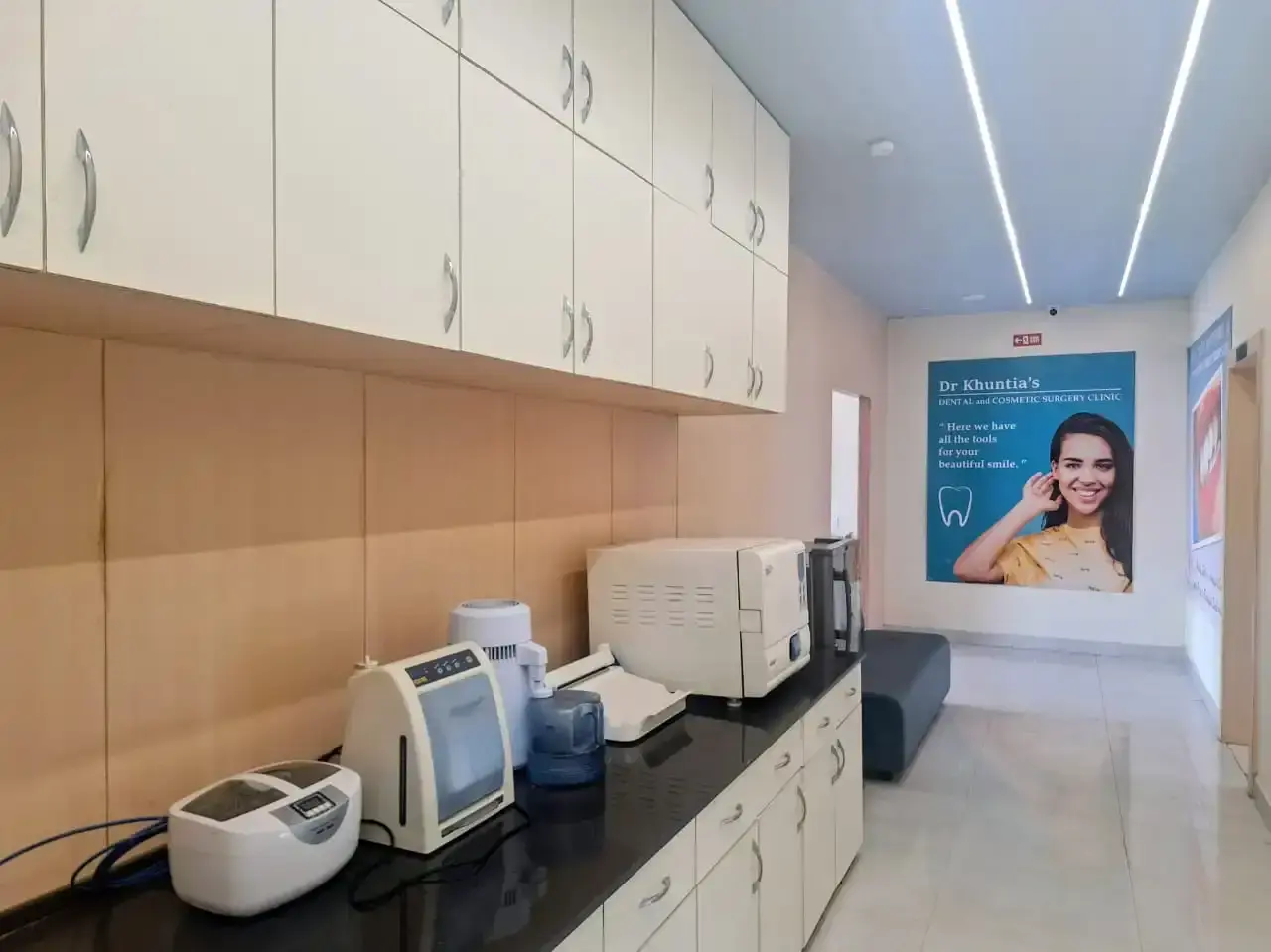
Appliance Sterilization - All reusable brackets, bands, and instruments are heat-sterilized - Sterilization follows manufacturer specifications and ADA/IDA standards - Regular sterilizer validation through biological testing - Single-use items are used for each patient (for items designed for single use)
Handpiece Sterilization - High-speed dental handpieces (drills) are sterilized between patients - Sterilization includes both internal passages and external surfaces - Regular maintenance of sterilization equipment
Infection Control Protocols
Standard Precautions - Universal precautions applied to all patients - Personal protective equipment for all staff (gloves, masks, eye protection, gowns) - Hand hygiene between patients and procedures - Respiratory hygiene standards
Surface Disinfection - All clinical surfaces in orthodontic treatment area disinfected between patients - High-level disinfectants meeting ADA/CDC standards - Special attention to patient contact surfaces
Patient-Specific Precautions - Medical history review for infectious disease concerns - Additional precautions implemented for immunocompromised patients - Communication regarding any active infections or conditions
Bracket & Appliance Safety
Biocompatible Materials - All materials used are biocompatible and hypoallergenic - No nickel in brackets (or minimal, nickel-free alternatives available) - BPA-free clear aligners - Materials tested for safety in oral environment
Bracket Strength & Design - Modern bracket designs minimize sharp edges and irritation - Smooth ceramic brackets designed to reduce gum irritation - Proper bracket placement to avoid tissue trauma - Regular inspection of brackets for damage or deterioration
Wire Safety - High-grade stainless steel or titanium-molybdenum wires - Smooth, burr-free wire edges - Properly secured wire endings to prevent sharp edges - Regular inspection for wire deformation
Patient Safety During Treatment
Monitoring for Adverse Effects - Regular assessment for gum health - Cavity screening to prevent demineralization - Root resorption monitoring (rare, but closely watched in some cases) - Allergy or sensitivity assessment - Periodontal health maintenance throughout treatment
Pain Management - Assessment of post-appointment discomfort - Adjustment of force application if excessive pain reported - Guidance on managing typical temporary discomfort - Immediate attention to problems causing severe pain
Emergency Protocols - Clear emergency contact instructions - Same-day or next-day handling of broken brackets or bent wires - Guidance on managing trauma or injury to orthodontic appliances
Technology & Equipment Used in Modern Orthodontic Care
Digital Diagnostic Equipment
3D Digital Scanning - Intraoral 3D scanners capture precise tooth and jaw anatomy - No messy impression materials required - Instant digital models for treatment planning - Enables virtual patient visualization of teeth and bite - Superior accuracy compared to traditional impressions
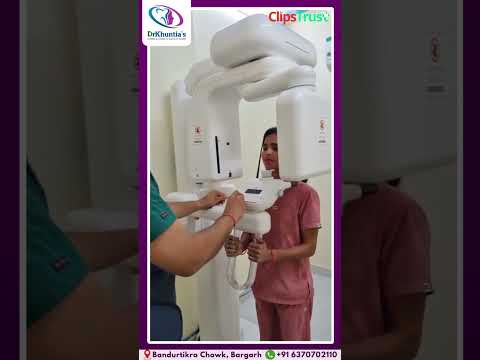
Digital Radiography - Low-radiation digital X-rays (panoramic and periapical) - Instant image review and enhancement - Integration with treatment planning software - Reduced radiation compared to traditional film X-rays
CBCT Imaging (for complex cases) - Cone beam computed tomography provides complete 3D anatomical information - Shows tooth roots, bone structure, and jaw relationships - Invaluable for complex cases or growth assessment - Guides precise treatment planning
High-Resolution Intraoral Cameras - Detailed tooth surface imaging - Allows zoomed visualization of specific areas - Useful for plaque assessment and hygiene demonstration - Helps explain findings to patients
Treatment Planning Software
Advanced Orthodontic Planning Programs - 3D digital models allow virtual tooth movement planning - Software calculates optimal treatment sequences - Provides treatment duration estimates - Shows progression from starting to ending positions - Enables patient visualization of predicted results
Digital Smile Design Software - Facial analysis and proportion assessment - Virtual smile design showing predicted results - Integration with treatment planning - Allows patient input and approval before treatment begins
Progress Monitoring Software - Tracks tooth movement against treatment plan - Identifies deviations requiring adjustment - Quantifies progress for patient motivation - Predicts completion timing
Bracket Systems & Appliances
Self-Ligating Bracket Systems - Mechanical closing brackets reducing friction - Enables more efficient tooth movement - Often associated with shorter treatment times - Available in metal and ceramic options
Ceramic Bracket Systems - Tooth-colored brackets matching tooth color - Aesthetic appeal for appearance-conscious patients - High-quality ceramics resisting staining - Similar effectiveness to metal braces
Advanced Archwire Materials - Nickel-titanium alloys providing optimal force delivery - Temperature-dependent wires (shape-memory alloys) - Consistent force application throughout aligner tray changes - Reduced discomfort from constant gentle pressure
Clear Aligner Manufacturing - Advanced 3D printing technology creating custom trays - Precision fitting to specific tooth movements - Biocompatible clear plastic (BPA-free) - Multiple thickness options for different force levels - Regular updates as teeth move
Supplementary Equipment
Intraoral Lighting - LED intraoral lights providing optimal visualization - Enables precise bracket placement and treatment
Shade/Color Analysis Tools - Proper light for accurate tooth shade assessment - Important for integrated cosmetic planning
Retainer Fabrication Technology - Vacuum-formed retainer machines for custom retainers - 3D printing for custom retainer designs - Bonded wire retainer components
Treatment Timelines & Progress Monitoring
Typical Treatment Durations by Case Type
Mild Cases (minor crowding or spacing) - Clear aligners: 6-12 months - Self-ligating braces: 12-15 months - Traditional braces: 12-18 months
Moderate Cases (mild-moderate crowding, spacing, or bite correction) - Clear aligners: 12-18 months - Self-ligating braces: 15-20 months - Ceramic braces: 18-24 months - Traditional metal braces: 18-24 months
Complex Cases (severe crowding, bite correction, extraction cases) - Traditional metal braces: 24-30+ months - Ceramic braces: 24-30+ months - Self-ligating braces: 22-28 months - Clear aligners: Not recommended; should switch to braces - Combined extraction/surgical cases: 24-36+ months
Early Intervention (Phase I) - Interceptive treatment: 6-12 months - Typically followed by Phase II comprehensive treatment 1-2 years later
Progress Monitoring Protocol
Initial Assessment - Digital records provide baseline for comparison - Treatment plan defines expected progression - Regular office visits establish monitoring schedule
Mid-Treatment Assessment (Typically at 6-12 months) - Progress compared to treatment plan - Adjustments made if treatment is ahead/behind schedule - Updated predictions for completion timing - Encouragement and motivation based on visible progress
Final Phases - Detailed refinement of tooth positions - Bite verification and final adjustments - Smile analysis comparing with digital design - Preparation for appliance removal and retention
Post-Treatment Monitoring - Regular check-ins during retention phase - Verification that teeth are maintaining correct positions - Adjustments to retention protocol if needed - Long-term monitoring to ensure lasting stability
Long-Term Smile Stability & Oral Health Benefits
Post-Treatment Relapse Prevention
Normal Post-Treatment Changes Minor tooth movement after treatment is normal as supporting tissues remodel. However, significant relapse (return to original positions) is preventable with proper retention.
Retention’s Critical Role - First 6 months: Highest relapse risk; full-time retention critical - 6-12 months: Continued remodeling; nighttime retention maintains gains - 1+ years: Long-term retention needed to prevent gradual drift
Success Rates with Proper Retention - With consistent retention protocols: >95% long-term stability - Without retention: Significant relapse within months (up to 50% of correction in some studies)
Long-Term Oral Health Benefits
Lifetime Cavity Prevention - Properly aligned teeth remain easier to clean throughout life - Reduced cavity incidence continues for decades - Significant financial savings from fewer fillings
Lifetime Gum Disease Prevention - Easier flossing access prevents gum disease development - Proper tooth alignment reduces stress on periodontal tissues - Gum health maintained throughout life
Preserved Natural Teeth - Prevention of cavities and gum disease preserves natural teeth - Reduced need for extractions, implants, or dentures - Natural teeth maintained into older age
Improved Bite Stability - Proper bite relationships prevent abnormal wear - Reduced headaches and jaw pain - TMJ health supported through proper bite alignment
Psychological Lasting Benefits - Confidence improvement sustained throughout life - Positive self-image continues indefinitely - Social and professional benefits maintained
Pros & Cons of Choosing DrKhuntia’s Dental Clinic for Orthodontic Treatment
Distinct Advantages of DrKhuntia’s Clinic
Advanced Technology & Digital Systems State-of-the-art 3D scanning, digital smile design, and treatment planning software provide superior treatment precision and patient visualization compared to traditional planning methods.
Multiple Treatment Options Available From invisible clear aligners to ceramic braces to self-ligating systems, we offer patients genuine choices rather than limited options. This ensures each patient gets the approach best suited to their specific needs and preferences.
Experienced Orthodontic Team Our specialists have extensive training across all orthodontic systems and techniques. We stay current with latest advances through continuous education.
Comprehensive Early Intervention Program Children are screened at age 7, with preventive treatment available when appropriate. Our phase I/II protocols prevent more complex problems later.
Customized Smile Design Beyond straight teeth, we design smiles that are beautiful, harmonious with facial structure, and reflect each patient’s individual aesthetic vision.
Patient-Centric Approach Your comfort, preferences, and concerns guide treatment selection. We spend time ensuring you understand all options and feel confident in your choice.
Convenient Location & Hours Bargarh location with extended hours (Monday-Saturday, 9 AM-7 PM) serves the community effectively. Flexible scheduling accommodates busy schedules.
Transparent Communication We clearly explain your condition, show you your smile design before beginning, and maintain clear communication throughout treatment.
Comprehensive Retention Program Detailed retention protocols and multiple retainer options ensure long-term results. We emphasize that retention is as important as active treatment.
High Patient Satisfaction Research-supported protocols and genuine patient care result in 91%+ satisfaction rates. Most patients report confidence improvements exceeding expectations.
Long-term Support Beyond active treatment, we provide ongoing retention support and monitoring to ensure your investment in your smile lasts a lifetime.
Serving All Cases From pediatric early intervention to complex adult cases, we handle the full spectrum of orthodontic needs. Whether you need simple alignment or comprehensive transformation, we have solutions.
Important Considerations When Choosing Orthodontics
Requires Time Commitment Orthodontic treatment typically requires 18-24 months. This is a significant time commitment, though most patients find it worthwhile given the life-changing results.
Multiple Office Visits Regular adjustment visits (every 4-8 weeks for braces, every 6-10 weeks for aligners) require time and scheduling coordination.
Initial Discomfort The first week after bracket placement or starting new aligners typically involves some discomfort—usually manageable with over-the-counter pain relievers, but worth planning for.
Dietary Modifications (for braces) Metal and ceramic braces require avoiding certain foods that could damage brackets. This represents a lifestyle change for some patients.
Compliance Critical (for aligners) Clear aligner success depends entirely on wearing aligners 20-22 hours daily. Patients must be self-disciplined and committed.
Post-Treatment Retention Commitment Results maintenance requires nighttime retainer wear indefinitely. Without this commitment, teeth will gradually shift back.
Upfront Cost Investment While orthodontics is an excellent long-term investment, the upfront cost is substantial. We offer payment plans to help make treatment accessible.
Complex Cases May Require Multiple Phases Some children may need phase I interceptive treatment followed by phase II comprehensive treatment years later, extending the total timeline.
Individual Results Vary While success rates are excellent (88-90%), some cases respond slower or faster than average based on individual biology and compliance.
Expert Recommendations for Orthodontic Care
Best Cases for Orthodontic Treatment
Ideal Candidates - Anyone with misaligned teeth wanting improvement - Children aged 7-14 (optimal timing for comprehensive treatment) - Teenagers wanting to complete treatment before college/careers - Adults seeking smile improvement at any age - Cases where oral health could be improved through better alignment
Special Indications - Crowded teeth: Easier cleaning post-treatment reduces cavity risk - Spaced teeth: Aligners can close gaps creating better appearance and function - Bite problems: Overbite, underbite, crossbite all benefit from correction - Sleep apnea (some cases): Proper bite alignment may improve airway function - Speech concerns: Some speech issues improve with proper tooth/tongue position
Orthodontics for Children & Teens – Maximizing Developmental Opportunities
Optimal Timing - Initial screening by age 7-8 - Early intervention (phase I) typically ages 7-10 for specific problems - Comprehensive treatment (phase II) typically ages 11-13 during adolescent growth - Completion before college/career entry desirable
Growth Advantage - Children’s jaws are still growing; orthodontists can guide growth - Proper guidance may eliminate or reduce need for jaw surgery later - Adult treatment (post-growth) may require surgery for severe cases - Early treatment often costs less overall despite two-phase approach
Developmental Considerations - Early treatment addresses space issues, bite problems, growth discrepancies - Interceptive phase corrects specific problems; comprehensive phase refines overall alignment - Combination approach optimizes both development and final results - Better outcomes than waiting until teenage years for severe cases
Psychological Benefits - Treating problems early prevents years of self-consciousness - Avoiding embarrassment during critical social development years - Building confidence that supports academic and social success - Creating positive dental care habits
Adult Smile Correction Solutions
Advantages of Adult Treatment - Adults have clear motivation and understanding of treatment goals - Strong compliance (adults understand importance and follow instructions) - Treatment works effectively regardless of age - Clear aligners and ceramic braces allow professional appearance maintenance - Smile improvement often provides significant life quality improvement
Timing Considerations - No age limit; treatment effective in any healthy adult - Some slowing of bone response (10-15% longer treatment possible) - Comprehensive health review important; treat any systemic conditions - Flexible scheduling for professional and personal obligations
Treatment Options - Clear aligners: Popular for professional adults - Ceramic braces: Aesthetic yet effective - Metal braces: For complex cases - Combination with cosmetic dentistry: Often integrated with whitening, bonding, or veneers
Life Quality Impact: Research demonstrates that adult orthodontic treatment provides substantial confidence and quality-of-life improvements, often exceeding patients’ expectations.
Maintaining Straight Teeth After Treatment
Retainer Non-Negotiables - Wear schedule: Full-time for 6 months, nighttime for life - Fixed retainers: Maintain continuous support on lower front teeth - Removable retainers: Nightly wear preserves upper tooth positions - Lifelong commitment: Prevents relapse years or decades later
Lifestyle Practices - Excellent oral hygiene: Prevents decay and gum disease affecting teeth - Avoid excessive grinding: Custom night guard if teeth grinding present - Balanced diet: Adequate nutrition supports bone health - Regular dental visits: Professional monitoring and cleanings
Long-term Success Factors - Consistent retainer wear - Good oral hygiene - Regular dental check-ups - Avoid behaviors that stress teeth (using as tools, etc.) - Management of any teeth-grinding habits
Conclusion: Orthodontic Excellence – Your Journey to a Confident, Healthy Smile
Orthodontic treatment represents far more than cosmetic improvement. Modern orthodontics creates healthier mouths, enables better chewing function, prevents future dental disease, and—perhaps most importantly—transforms how patients feel about themselves.
Whether you’re a parent concerned about your child’s developing bite, a teenager wanting to feel confident in your smile, or an adult seeking the smile transformation you’ve long desired, orthodontic treatment offers proven solutions. The technology has advanced dramatically; the comfort level has improved substantially; and the results are virtually guaranteed with modern systems and committed patients.
At DrKhuntia’s Dental Clinic in Bargarh, Odisha, we combine cutting-edge orthodontic technology with genuine patient care and extensive professional experience. We offer multiple treatment options—from invisible clear aligners to aesthetic ceramic braces to efficient self-ligating systems—ensuring each patient receives the approach perfectly matched to their needs and preferences.
Your smile is an investment in your oral health, your confidence, and your quality of life. The right orthodontic treatment, provided by experienced professionals who prioritize both clinical excellence and your comfort, can transform not just your teeth but your entire quality of life.
We invite you to experience orthodontic excellence. Schedule your consultation with DrKhuntia’s Dental Clinic today to begin your journey toward a straight, healthy, confident smile that lasts a lifetime.
Frequently Asked Questions: Your Orthodontic Questions Answered
Q1: What is Orthodontic Treatment?
A: Orthodontics is the dental specialty focused on straightening teeth and correcting bites through gentle, consistent pressure applied over time. Modern orthodontics uses systems including braces, clear aligners, and functional appliances to achieve optimal tooth alignment and bite function. Treatment typically requires 12-24 months depending on case complexity and system used.
Q2: What Types of Braces Are Available?
A: Multiple options are available:
Metal Braces (traditional): Stainless steel brackets and wires; highly effective; most affordable
Ceramic Braces (tooth-colored): Aesthetic brackets; comparable effectiveness; moderate cost
Self-Ligating Braces: Advanced bracket system; potentially shorter treatment; reduced friction
Clear Aligners (Invisalign-style): Removable plastic trays; nearly invisible; ideal for appropriate cases
Lingual Braces (hidden): Attached to tooth backs; very discreet; most complex (least common)
Your orthodontist determines which system is best for your specific case.
Q3: Are Invisible Aligners Really Effective?
A: Yes. Clinical research shows 88-90% success rates for clear aligners in treating malocclusion—comparable to traditional braces for appropriate cases. Success depends on: - Case suitability (mild-to-moderate alignment issues) - Patient compliance (20-22 hours daily wear required) - Specific tooth movements needed - Long-term retention commitment
Q4: Is Orthodontic Treatment Safe for Children?
A: Yes, absolutely. Children are excellent orthodontic candidates, particularly at age 7+ when orthodontists can detect and treat developing problems early. Benefits include: - Guided jaw growth - Early problem correction preventing future complexity - Prevention of years of self-consciousness - Building positive dental care habits
Early screening and intervention often provides better long-term results than waiting until adolescence.
Q5: What Do Braces Feel Like? Will They Hurt?
A: Initial discomfort is common but manageable: - First few days: Slight soreness as teeth adjust; manageable with over-the-counter pain reliever - After adjustments: Minor tenderness for 24-48 hours - Overall: Modern braces are significantly more comfortable than older systems - Adaptation: Most patients adjust within 1-2 weeks
Q6: How Long Does Orthodontic Treatment Take?
A: Duration varies by case: - Mild cases: 6-12 months (clear aligners often faster) - Moderate cases: 12-18 months (aligners) to 18-24 months (braces) - Complex cases: 24-30+ months - Extraction cases: Often 24-36 months
Average treatment is 18-24 months. Your orthodontist provides specific timeline predictions.
Q7: Can Adults Get Braces? Are They Ever Too Old?
A: Adults of any age can have orthodontic treatment. Benefits include: - Highly motivated patients with clear goals - Strong treatment compliance - Excellent results with modern systems - Psychological benefits often exceed expectations - Slight slowing of bone response (treatment may take 10-15% longer)
Orthodontics works effectively throughout life.
Q8: Braces vs Clear Aligners – Which Should I Choose?
A: Choose based on:
Choose Braces If: - You have complex cases or severe crowding - Appearance during treatment isn’t primary concern - You prefer not to rely on compliance - Cost is a significant factor
Choose Clear Aligners If: - You have mild-moderate misalignment - Appearance during treatment is important - You’re highly motivated for 22-hour daily wear - You prefer dietary freedom and easier cleaning
Your orthodontist can determine if both options are suitable for your case or recommend the best choice.
Q9: How Important Are Retainers After Braces?
A: Retainers are critical. Teeth naturally drift after braces removal without retention. Research shows: - 3 months without retention: Significant tooth movement possible - Proper retention: >95% long-term stability maintained - Recommended protocol: Full-time for 6 months, then nightly for life
Retainers are as important as active treatment for preserving your results.
Q10: Are Retainers Necessary Forever?
A: For permanent stability, yes. Teeth naturally shift throughout life due to: - Periodontal ligament dynamics - Ongoing jaw growth and changes - Natural aging processes
Nightly retainer wear (or several nights weekly) prevents relapse. Many orthodontists recommend some form of retention indefinitely.
Q11: Can Orthodontics Fix All Bite Problems?
A: Most bite problems can be corrected through orthodontics: - Overbite: Usually correctable with braces or aligners - Underbite: Correctable; may require surgery for severe skeletal underbites - Crossbite: Effectively treated with braces or expanders - Open bite: Correctable; may require habit cessation (tongue thrust)
Some severe skeletal problems may require combined orthodontics and orthognathic (jaw) surgery, but this is rare.
Q12: Is Orthodontic Treatment Available in Bargarh & Odisha?
A: Yes! DrKhuntia’s Dental Clinic in Bargarh, Odisha offers comprehensive orthodontic treatment.
Our Location: - Address: Khata No. 2414/9435, Plot No. 1379/24701, Bandutikira Chowk, Bargarh, Odisha, India – 768028 - Phone: 6370702110 - Hours: Monday – Saturday | 9:00 AM – 7:00 PM - Website: https://www.drkhuntiasclinic.com/
Services Include: - Advanced metal, ceramic, and self-ligating braces - Clear aligner systems - Pediatric orthodontics and early intervention - Adult orthodontics - Bite correction (overbite, underbite, crossbite) - Smile design and transformation - Comprehensive retention programs
We serve children, teenagers, adults, families, and complex cases across Bargarh, Odisha, and nearby regions.