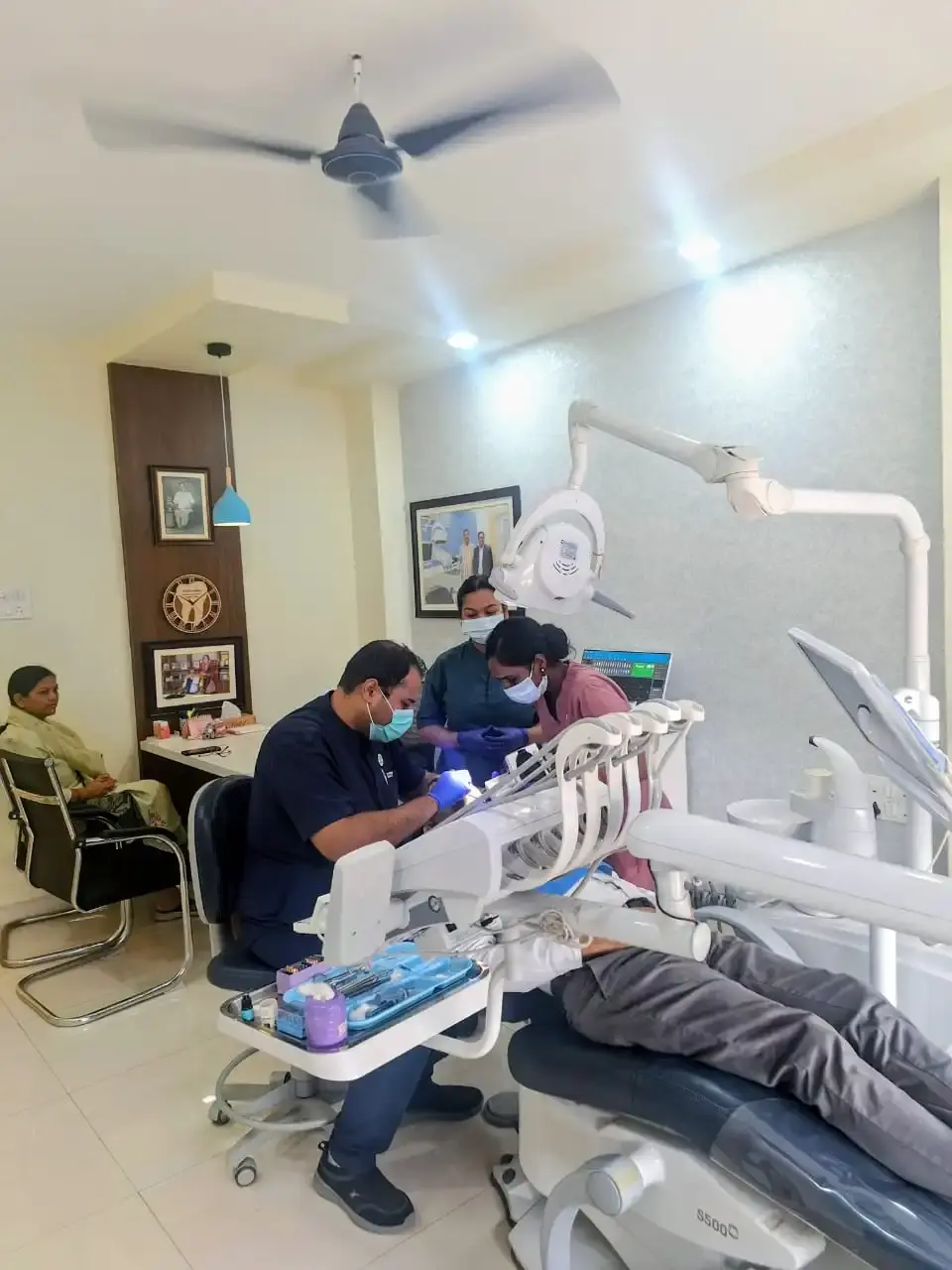
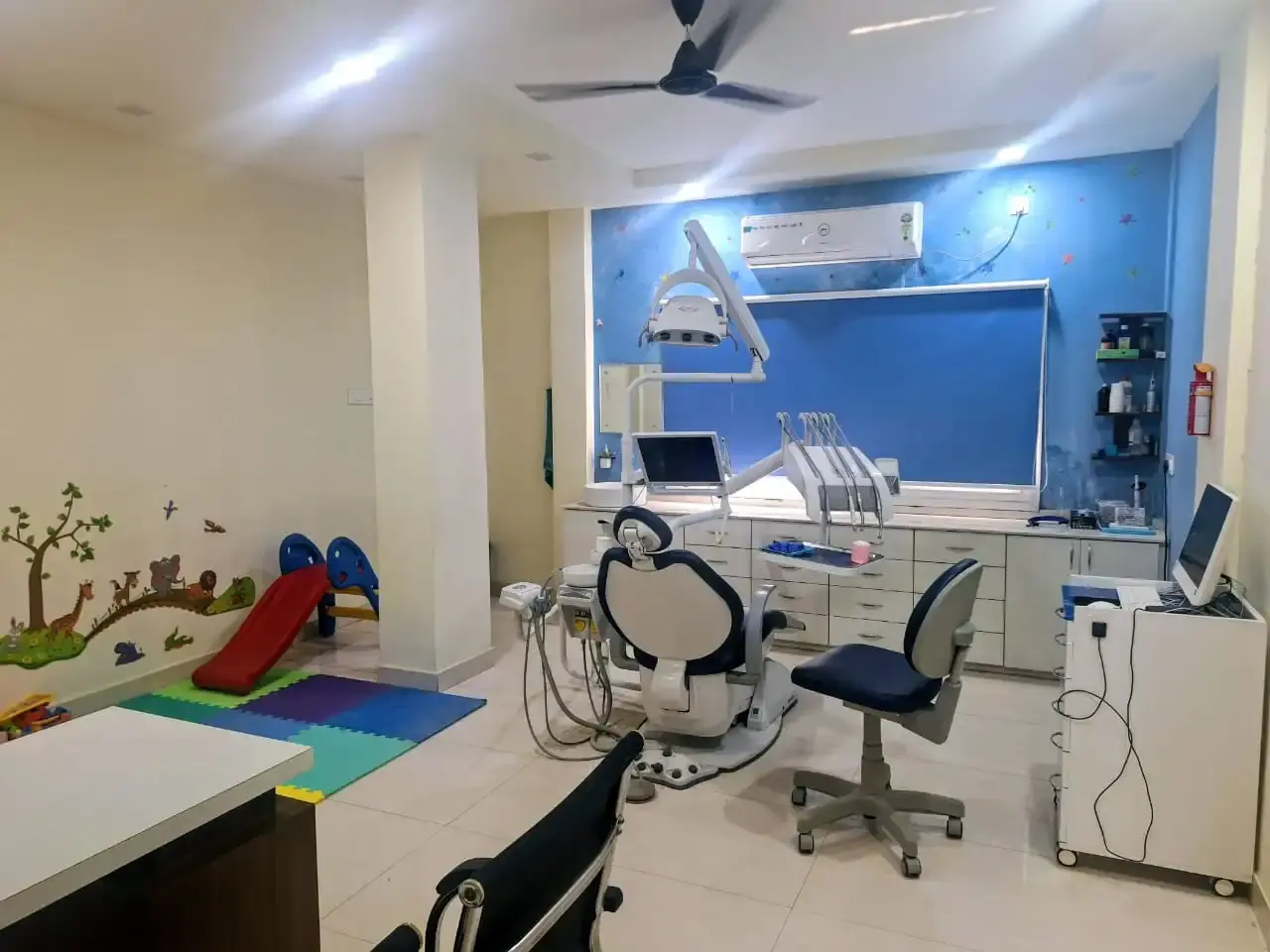
General Dentistry at DrKhuntia's Dental & Cosmetic Surgery Clinic: Comprehensive Oral Healthcare in Bargarh, Odisha
According to the research team of ClipsTrust, general dentistry remains the cornerstone of oral health maintenance, serving as the frontline defense against cavity formation, gum disease, tooth loss, and countless preventable dental complications affecting millions of individuals worldwide. The American Dental Association recommends routine dental check-ups at least every six months, emphasizing preventive dentistry's critical role in identifying problems before they develop into expensive and complex treatments. Despite this clear guidance, alarming statistics reveal that dental neglect persists: 47.2% of adults over 30 experience some form of gum disease, tooth sensitivity affects 10-30% of the global population, and chronic bad breath affects approximately 2.4% of adults.
DrKhuntia's Dental & Cosmetic Surgery Clinic has established itself as a comprehensive destination for general dentistry services across India, combining preventive care, diagnostic expertise, restorative treatments, and patient education to ensure optimal oral health throughout patients' lifetimes. Located at Khata No. 2414/9435, Plot No. 1379/24701, Bandutikira Chowk, the clinic brings together experienced dental professionals, advanced diagnostic technology, and patient-centered care philosophy to address the complete spectrum of general dentistry needs for children, adults, and families.
Understanding General Dentistry and Its Critical Role in Oral Health
General dentistry encompasses the comprehensive care, maintenance, and treatment of teeth, gums, and related oral structures throughout a patient's lifetime. Unlike specialized dental branches (orthodontics for tooth alignment, endodontics for root canals, periodontics for gum disease), general dentistry provides foundational care addressing routine maintenance, common dental problems, and coordination of specialized care when necessary. This preventive-focused approach prevents progression of minor issues into major complications requiring complex interventions.
The philosophy underlying modern general dentistry emphasizes prevention rather than treatment of consequences. Consider that investing minimal resources in biannual check-ups, routine cleanings, and patient education typically prevents cavities, gum disease, and tooth loss far more cost-effectively than managing advanced decay, periodontal disease, or tooth extraction requiring replacement procedures. This preventive paradigm proves particularly important for families, as establishing good oral habits and regular professional care during childhood predicts lifelong dental health.
Comprehensive General Dentistry Services at DrKhuntia's Clinic
Routine Dental Check-Ups and Comprehensive Oral Examinations
Routine dental check-ups form the foundation of preventive dentistry, enabling early identification and intervention in developing dental problems. During comprehensive examinations at DrKhuntia's Clinic, dentists conduct systematic evaluation of all oral structures, identifying issues while they remain small, manageable, and inexpensive to treat:
Comprehensive Assessment Components: The dental examination begins with detailed patient history including dietary habits, oral hygiene practices, previous dental problems, and any current symptoms. Visual inspection examines all tooth surfaces for cavities, visible decay, or color changes indicating structural compromise. Gum evaluation assesses color, texture, and recession indicating periodontal disease risk. Oral cancer screening identifies suspicious lesions or tissue changes requiring further investigation, reflecting the dentist's responsibility for early disease detection potentially saving lives.
X-ray Imaging: Modern dental X-rays enable visualization of tooth structure below the gum line, detecting hidden decay between teeth and within tooth roots invisible to direct inspection. Bitewings (small films showing multiple teeth) and panoramic X-rays (full-mouth images) facilitate diagnosis of complex problems. Advanced facilities like DrKhuntia's Clinic employ digital radiography reducing radiation exposure while providing superior image quality enabling precise diagnosis.
Bite Assessment: The dentist evaluates how upper and lower teeth align during closure, identifying misalignments potentially causing excessive wear, pain, or jaw dysfunction. Improper bite often contributes to tooth sensitivity and accelerated enamel loss, making early detection critical.
Oral Cancer Screening: During each visit, dentists carefully examine all oral tissues for suspicious lesions, discoloration, or texture changes indicating potential oral cancer development. Early detection proves crucial for oral cancer prognosis, making this screening component literally life-saving.
Professional Teeth Cleaning and Plaque/Tartar Removal
While home brushing and flossing remove surface debris and most accessible bacteria, they cannot eliminate hardened tartar (calculus) or biofilm in areas inaccessible to toothbrushes. Professional dental cleanings address this limitation, employing specialized techniques removing accumulated plaque and tartar:
Scaling Process: Dental hygienists use hand-operated scalers or ultrasonic instruments vibrating at high frequency to dislodge tartar from tooth surfaces both above and below the gum line. Traditional hand instruments provide direct tactile feedback, while ultrasonic scalers operate 20-50% faster through vibration and water spray, reducing patient discomfort during extended procedures. Both techniques prove effective when applied skillfully by trained hygienists.
Polishing Phase: Following tartar removal, tooth surfaces receive polishing using a soft rubber cup attached to a slow-speed handpiece and mildly abrasive polishing paste. This step removes biofilm—the thin bacterial layer remaining after scaling—and eliminates external staining from coffee, tea, or tobacco, revealing tooth's natural brightness. Polishing does not damage tooth enamel when performed correctly, requiring only gentle application of appropriate pressure.
Flossing and Final Fluoride Application: Professional flossing removes debris from interdental areas (between teeth) where patient flossing may be inadequate. Many visits conclude with fluoride application strengthening enamel and providing additional cavity protection.
Treatment Duration and Frequency: Routine dental cleaning typically requires 30-60 minutes depending on plaque accumulation and patient cooperation. The American Dental Association recommends cleanings every six months for most patients, though those with cavity or gum disease susceptibility may benefit from more frequent visits every three months.
Cavity Detection and Restoration Through Dental Fillings
Tooth decay (dental caries) remains the most prevalent chronic disease affecting children and adults worldwide. Left untreated, cavities progress from enamel to underlying dentin, reaching the tooth pulp causing pain and infection. Early detection through regular check-ups and X-rays enables simple filling-based restoration before complications develop:
Cavity Formation Understanding: Cavities develop when plaque-dwelling bacteria ferment dietary sugars producing acids that demineralize (weaken) tooth enamel and dentin. Regular plaque removal through brushing/flossing and reduced sugar consumption prevent cavity formation, while early-stage cavities often respond to intensive fluoride treatment without requiring fillings.
Filling Materials and Selection: Modern dentistry offers diverse filling materials each with advantages and limitations. Composite resin fillings—tooth-colored and highly aesthetic—bond directly to tooth structure and resist displacement but typically last 5 years before requiring replacement. Amalgam fillings—silver-colored mixtures of mercury with other metals—prove extremely durable lasting 10+ years but lack aesthetic appeal. Newer ceramic and gold fillings offer superior longevity and aesthetics but increase cost. Dentists at DrKhuntia's Clinic discuss options with patients, selecting materials balancing durability, aesthetics, and individual needs.
Filling Procedure Fundamentals: After confirming cavity location and size through X-rays, the dentist administers local anesthetic numbing the tooth and surrounding tissue. Decayed tooth material is carefully removed using rotary drills, laser, or air abrasion instruments. The resulting cavity is cleaned and prepared to receive filling material. Composite fillings require careful layering, with each layer hardened by special light before applying subsequent layers. Amalgam placement involves condensing material into the cavity and carving to proper contour. Professional finishing and polishing ensures proper bite alignment and aesthetic appearance.
Preventive Approach and Early Intervention: Early cavity identification enables simple filling placement preventing progression to larger cavities requiring crowns or even extraction. Some very early-stage cavities benefit from intensive fluoride treatment without requiring fillings, preserving maximum tooth structure. This preventive focus emphasizes cavity prevention and early detection rather than managing advanced decay.
Gum Disease Treatment and Periodontal Management
Gum disease—medically termed gingivitis (early stage) and periodontitis (advanced stage)—affects nearly half of all adults over 30, causing progressive gum inflammation, bone loss, and eventual tooth loss when untreated. Early intervention through professional treatment and improved home care can halt disease progression and preserve teeth:
Disease Progression Understanding: Gum disease develops insidiously from poor plaque control. Plaque accumulates along the gum line, and bacteria within plaque produce toxins causing inflammation—initial gingivitis. If plaque removal remains inadequate, tartar formation develops below the gum line, and inflammation spreads deeper creating periodontal pockets (spaces between gums and teeth exceeding normal dimensions). Untreated pockets allow continued bacterial accumulation, progressive bone loss, and eventual tooth loosening.
Professional Assessment: During examination, the dentist probes the space between teeth and gums using a calibrated probe, recording pocket depths. Normal depths measure 1-3 millimeters, while disease typically creates pockets exceeding 4 millimeters. Bleeding during probing indicates active inflammation and infection requiring intervention.
Scaling and Root Planing: For gum disease exceeding simple gingivitis, scaling and root planing constitutes the primary non-surgical treatment. This deep cleaning removes plaque and tartar from root surfaces below the gum line, eliminating bacterial niches that perpetuate infection. Local anesthetic numbs the area to minimize discomfort during what represents essentially a more thorough deep cleaning than routine prophylaxis. The procedure typically takes longer than routine cleaning—sometimes requiring multiple appointments—but proves remarkably effective at halting disease progression.
Supportive Care and Behavioral Modification: Antibiotic rinses may supplement mechanical cleaning, controlling bacterial population while tissues heal. Patient education emphasizing consistent brushing, daily flossing, and smoking cessation proves critical for success, as gum disease treatment requires patient commitment alongside professional intervention.
Long-term Management: Following active treatment, patients typically require more frequent professional cleanings (every 3-4 months rather than 6 months) and intensified home care to prevent recurrence. Some cases of severe periodontitis require surgical intervention (gum surgery) or specialist referral to periodontists, but most respond favorably to professional scaling and aggressive home care.
Tooth Sensitivity Management and Treatment
Tooth sensitivity affects 10-30% of the global population, causing sharp pain triggered by hot, cold, sweet, or acidic stimuli. Despite high prevalence, many patients suffer unnecessarily, unaware that professional treatments can provide substantial relief:
Sensitivity Etiology Understanding: Tooth sensitivity develops when dentin—the layer beneath enamel—becomes exposed to the external environment. Enamel erosion from aggressive brushing, acidic foods, or acid reflux removes the protective enamel layer. Gum recession exposes the tooth root (covered by cementum rather than enamel) which is more permeable, allowing external stimuli to access internal nerve endings. Bruxism (teeth grinding) also accelerates enamel loss. Identifying the underlying cause proves critical for successful treatment.
Treatment Approaches: Conservative management begins with identifying and eliminating causative factors—using soft-bristled toothbrushes rather than hard brushes, reducing acidic food/beverage consumption, and addressing grinding habits through nightguards. Desensitizing toothpaste containing compounds like potassium nitrate or arginine blocks pain signals from reaching sensory nerves, with cumulative benefit from repeated daily use. Professional fluoride application strengthens exposed enamel and cementum, reducing permeability and sensitivity.
Advanced Interventions: For sensitivity persisting despite conservative management, dental bonding applies tooth-colored resin to cover exposed dentin, physically blocking external stimuli from reaching nerve tissue. Gum grafting may restore recessed gums, covering exposed root surfaces. Root canal therapy—removal of tooth pulp—represents the ultimate treatment for severe sensitivity resistant to all other interventions, permanently eliminating sensation by removing the tissue containing sensory nerves.
Bad Breath Management and Halitosis Treatment
Chronic bad breath (halitosis) affects approximately 2.4% of the population, causing social embarrassment and often indicating underlying dental or medical problems. Unlike temporary bad breath from aromatic foods, chronic halitosis warrants professional evaluation and intervention:
Etiology Identification: Bad breath typically results from sulfur-producing bacteria colonizing the tongue and throat, with various contributing factors. Inadequate oral hygiene allowing plaque and tartar accumulation increases bacterial population and volatile sulfur compound production. Gum disease harbors infection-producing bacteria generating characteristic odor. Dry mouth (xerostomia) reduces saliva's natural antibacterial and cleaning action, allowing bacterial overgrowth. Certain foods (garlic, onions), smoking, alcohol, and systemic conditions (diabetes, respiratory disease) also contribute.
Professional Intervention: Initial evaluation identifies underlying causes. If dental—poor hygiene or gum disease—professional cleaning and patient education addressing home care provides primary treatment. Scaling and root planing treats periodontal disease, often substantially improving breath odor. Antimicrobial mouthwashes may supplement mechanical cleaning, targeting sulfur-producing bacteria specifically rather than merely masking odors.
Home Care Strategies: Beyond professional treatment, patients should intensify daily oral hygiene including thorough brushing, daily flossing, and tongue scraping (removing bacterial biofilm from tongue surfaces where bacteria preferentially colonize). Adequate hydration maintains saliva flow supporting natural bacterial control. Smoking cessation improves breath quality substantially.
Systemic Evaluation: Persistent halitosis despite excellent oral hygiene may indicate systemic disease requiring medical evaluation. Diabetes, respiratory infections, gastrointestinal disorders, and certain medications cause characteristic breath odors requiring medical rather than purely dental treatment.
Pediatric Dentistry and Preventive Care for Children
Children's dental health establishes patterns determining lifelong oral outcomes, making early preventive intervention and positive experiences critical:
Early Establishment of Preventive Habits: Pediatric dental care begins with the first tooth eruption, typically around 6 months of age. Early dental visits normalize the experience, building comfort with professional care and preventing dental anxiety that often develops from delayed first visits. Dentists establish baseline oral development, screen for developmental abnormalities, and educate parents regarding proper cleaning and dietary habits.
Fluoride Application for Children: Professional fluoride treatments significantly reduce cavity risk in developing dentitions. Fluoride strengthens enamel making it more resistant to acid attack from plaque bacteria and dietary sugars. While some fluoride is present in toothpaste and water, professional topical application provides concentrated fluoride exposure delivering superior cavity prevention. Most pediatric dentists recommend fluoride treatments every six months starting around age 1-2 years.
Dietary Counseling: Pediatric dentists educate parents regarding cavity risk factors, particularly frequent consumption of sugary foods and drinks. Even healthful foods like fruit can contribute to cavities through frequent acid exposure. Limiting sweets and sugary drinks to mealtimes rather than constant snacking prevents continuous acid exposure keeping teeth in demineralized state. This early dietary education establishes patterns potentially determining lifetime oral health.
Behavioral Guidance: Pediatric specialists understand child development and employ techniques gaining cooperation while building positive attitudes toward dental care. Making appointments pleasant experiences with praise and rewards builds motivation for consistent care. Establishing proper brushing and flossing techniques through playful demonstration rather than authoritarian instruction increases compliance.
Pros and Cons of Professional General Dentistry Services
Advantages of Professional Dental Care
Early Problem Identification: Professional examinations detect cavities, gum disease, and other problems at earliest stages when treatment remains simple, inexpensive, and typically involves only conservative interventions like fluoride application or minor fillings. This early detection prevents progression to complex treatments requiring extensive time, cost, and discomfort.
Prevention of Serious Complications: Untreated cavities progress to pulpal involvement requiring root canals, while unchecked gum disease leads to tooth loss necessitating replacement through implants, bridges, or dentures—all vastly more expensive than preventive care. Regular professional care prevents these serious complications, ultimately saving substantial money and preserving natural teeth.
Superior Cleaning Effectiveness: Home brushing and flossing, while necessary, cannot remove hardened tartar or thoroughly clean all surfaces. Professional cleanings achieve superior plaque and tartar removal, particularly in hard-to-reach areas, providing benefits unattainable through home care alone.
Personalized Oral Health Education: Dentists and hygienists provide individualized guidance addressing specific problems and risk factors. Rather than generic advice, patients receive tailored recommendations based on their particular oral anatomy, habits, and disease susceptibility.
Psychological Benefits: Professional environments addressing concerns, explaining procedures, and providing reassurance reduce dental anxiety and build confidence in health management. This psychological support encourages continued regular care rather than avoidance that perpetuates oral health deterioration.
Considerations and Challenges
Cost and Access Barriers: While preventive care costs modest amounts, comprehensive treatment for advanced dental disease becomes expensive. Uninsured or underinsured populations may defer care due to cost barriers, leading to preventable disease progression. Geographic and time barriers also limit access for many populations.
Time Commitment: Regular visits require time away from work or other obligations. Multiple appointments for extensive treatment demand greater time commitment than many patients prefer. However, early preventive intervention typically demands less time than managing advanced disease.
Patient Anxiety: Dental anxiety affects substantial populations, creating reluctance to seek care despite recognizing its importance. This avoidance perpetuates oral health problems, making anxiety-management strategies critical for engagement.
Variable Home Care Compliance: Professional treatment succeeds only when supplemented by diligent home care. Patients who fail to maintain consistent brushing, flossing, and dietary modification continue developing cavities and gum disease despite professional efforts. This requires patient motivation and behavioral change that professionals can encourage but cannot force.
Comparison: DrKhuntia's Clinic vs Other General Dentistry Providers
| Criteria | DrKhuntia's Clinic | General Dental Practices | Hygiene-Only Clinics |
| Comprehensive Services | Full-spectrum dentistry including preventive, restorative, periodontal, and emergency care under one roof | May offer some services with referrals for specialties | Limited to cleaning and basic preventive services |
| Diagnostic Technology | Advanced digital X-rays and imaging for accurate diagnosis | Variable; some have outdated equipment | Minimal diagnostic capability |
| Professional Expertise | Experienced dentists with comprehensive training across all general dentistry areas | Varies widely; some practitioners less experienced | Hygienists provide cleaning; dentist referral needed for treatment |
| Treatment Options | Multiple filling materials, treatment approaches, and restorative options available | Limited options in smaller practices | No treatment capability |
| Patient Coordination | Coordinated care with all services accessible in one location | Multiple facility visits often required for complex needs | Requires referral to separate facility for treatment |
| Emergency Services | Emergency dental services available for acute problems | Limited emergency capability | Refers to emergency-only facilities |
| Pediatric Expertise | Specialized pediatric dentistry with child-friendly environment | General dentists may lack pediatric specialization | No pediatric services |
| Accessibility | Convenient location with comprehensive services enabling efficient care | Location and hours may vary | Limited hours and services |
| Quality Standards | Stringent infection control and quality standards | Compliance varies widely | Quality standards may vary |
Three General Dentistry Case Studies
Case Study 1: Early Cavity Detection and Preventive Intervention
Problem: A 28-year-old professional presented for routine check-up despite having no obvious symptoms or dental complaints. The patient reported occasional minor sensitivity to cold beverages but dismissed it as insignificant, suggesting no serious problems.
Diagnostic Process: During comprehensive examination including X-rays, the dentist identified a small cavity beginning to form between the patient's upper back teeth—an area the patient could neither see nor feel. The cavity was barely visible on visual inspection, representing very early disease that would have progressed significantly if undetected during delayed future visits.
Professional Intervention: Rather than immediately placing a filling, the dentist applied intensive fluoride treatment to the early cavity, explained proper brushing technique for accessing the problem area, and recommended the patient use a small interdental brush between teeth where toothbrush bristles cannot reach.
Outcome: Follow-up examination 3 months later confirmed that intensive fluoride treatment completely arrested cavity progression. The tooth surface had remineralized, and radiographic examination confirmed the cavity had not advanced. The patient avoided a filling procedure and subsequent filling replacement cycles, preserving maximum tooth structure. This case exemplifies preventive dentistry success—early detection and conservative intervention prevented more complex future treatment.
Case Study 2: Gum Disease Identification and Professional Treatment
Problem: A 45-year-old experienced slowly worsening gum inflammation, bleeding when brushing, and persistent bad breath despite conscientious home care. The patient initially attributed symptoms to genetic predisposition, unaware that professional treatment could resolve the condition.
Examination Findings: Comprehensive periodontal examination revealed significant plaque and tartar accumulation below the gum line and periodontal pockets measuring 4-5 millimeters (normal: 1-3mm). The diagnosis indicated early to moderate periodontitis (chronic gum disease) requiring professional intervention rather than home care alone.
Treatment Plan: The dentist performed scaling and root planing under local anesthetic, removing tartar and bacterial biofilm from root surfaces below the gum line. The patient received antimicrobial mouthwash recommendations and intensive oral hygiene instruction emphasizing consistent flossing and proper brushing technique previously neglected despite the patient's good intentions.
Follow-up and Results: Reassessment 6 weeks post-treatment revealed dramatic improvement—bleeding resolved, pocket depths reduced to 2-3mm range, and bad breath substantially diminished. The patient now maintains improved gums through intensified home care (electric toothbrush with timer, water flosser for improved interdental cleaning) and more frequent professional visits (every 3 months rather than 6 months).
Outcome: Professional intervention halted disease progression and restored health, preserving natural teeth that would have eventually been lost without treatment. The patient learned that gum disease, while preventable, responds remarkably to professional treatment when identified before advanced destruction.
Case Study 3: Tooth Sensitivity Resolution Through Comprehensive Intervention
Problem: A 52-year-old suffered worsening tooth sensitivity limiting dietary enjoyment and causing social self-consciousness regarding eating. Despite trying commercial desensitizing toothpaste without relief, the patient delayed professional evaluation, assuming nothing could be done.
Diagnostic Evaluation: The dentist identified gum recession (gums pulled down from years of aggressive toothbrushing with hard-bristled brushes) exposing tooth roots to external environment. Radiographic examination revealed some erosion from acid reflux disease unknown to the patient.
Comprehensive Treatment Plan: Treatment addressed multiple causative factors: the dentist recommended switching to a soft-bristled electric toothbrush, explained proper gentle brushing technique, and recommended dietary modifications limiting acidic foods/beverages. Professional fluoride application strengthened exposed root surfaces. The patient's physician was informed of suspected acid reflux, leading to medical optimization addressing the systemic cause. For areas of severe root exposure, the dentist applied tooth-colored bonding material physically blocking external stimuli from reaching sensitive dentin.
Results and Follow-up: Within 2-3 weeks of initiating treatment, sensitivity substantially diminished. By 2 months, sensitivity had essentially resolved. The patient returned to normal eating and drinking without pain or limitation. This case demonstrates how identifying underlying causes and addressing multiple contributing factors achieves superior results compared to attempting superficial symptom management alone.
Three Surveys on General Dentistry and Preventive Care
Survey 1: Patient Awareness of Preventive Dentistry Benefits
Comprehensive survey of 1,247 dental patients assessed awareness and engagement with preventive dental services. Results revealed that only 64% of respondents recognized preventive dentistry's importance, despite understanding that prevention costs less than treatment. Notably, 72% of respondents who received education regarding preventive benefits engaged in recommended check-up schedules, while only 41% without such education maintained consistent preventive visits. Concerning results showed 68% of patients delayed professional visits until experiencing pain or obvious problems rather than pursuing preventive check-ups. Among surveyed populations, those who maintained regular preventive visits required 70% fewer restorative procedures (fillings, crowns, extractions) than those with irregular preventive care. The survey emphasized that professional education significantly improves patient engagement with preventive services, validating the importance of dentist-patient communication regarding prevention benefits.
Survey 2: Gum Disease Prevalence and Treatment Effectiveness
Analysis of 2,156 adult dental patients examined gum disease prevalence and treatment response. 47.2% of surveyed patients showed evidence of gum disease ranging from gingivitis to advanced periodontitis, confirming alarming prevalence rates documented in epidemiologic literature. Among patients with diagnosed gum disease, 91% of those receiving scaling and root planing combined with intensive home care education showed clinically significant improvement within 8-12 weeks, with 68% achieving complete resolution of bleeding and pocket depth reduction. Notably, patients who received professional antimicrobial rinse prescription plus mechanical treatment showed superior outcomes compared to those receiving mechanical treatment alone. The survey demonstrated that early intervention and patient compliance prove critical, with patients showing poor home care compliance remaining with persistent disease despite professional treatment. Long-term follow-up of treated patients revealed that 83% maintained improved gums through consistent home care and quarterly professional cleanings, while untreated controls progressed toward tooth loss.
Survey 3: Cavity Prevention Through Regular Professional Fluoride Application
A 3-year prospective study of 816 pediatric patients assessed cavity prevention effects of regular professional fluoride treatments versus home fluoride toothpaste alone. The research found that children receiving professional fluoride treatments every 6 months averaged 2.3 cavities over 3 years, compared to 3.8 cavities in children using only home fluoride products. Notably, children whose parents received education regarding dietary sugar limitations combined with professional fluoride averaged only 1.1 cavities over the study period, demonstrating synergistic benefits of multiple preventive approaches. Among surveyed populations, 82% of pediatric patients with established regular professional fluoride treatments maintained cavity-free status, while only 51% of children without professional treatment remained cavity-free despite reasonably good home care. The research emphasized that professional fluoride treatments significantly enhance prevention, particularly for children identified as cavity-susceptible, providing benefits substantially exceeding home fluoride products alone.
Reviews and Testimonials
General Patient Reviews on Preventive Dental Care
Patients who maintain consistent preventive dental care consistently express appreciation for professional relationships emphasizing prevention and patient education, accessibility and convenient appointment scheduling, compassionate care addressing anxiety, and visible health benefits from consistent professional engagement. Many report satisfaction that regular visits prevent serious problems, allowing them to avoid painful emergency treatment experiences. Families particularly value pediatric-friendly environments making children comfortable with dental care. Positive reviews frequently mention thorough professional education regarding home care techniques, with patients adopting recommendations and experiencing improved outcomes.
Negative experiences frequently cite rushed appointments with insufficient explanation, harsh criticism regarding home care without constructive guidance, inaccessible scheduling making appointments difficult, and lack of preventive emphasis with treatment-focused approaches. These negative experiences discourage patients from maintaining preventive engagement, perpetuating oral health problems.
ClipsTrust Review Section
ClipsTrust's independent evaluation of DrKhuntia's Dental & Cosmetic Surgery Clinic recognizes the facility's comprehensive general dentistry services addressing preventive, diagnostic, and restorative needs, patient-centered approach prioritizing prevention alongside treatment, and accessible location providing convenient access for Delhi-NCR residents. The review commends DrKhuntia's Clinic for maintaining high hygiene standards and utilizing modern diagnostic technology, employing experienced professionals providing compassionate care, and offering diverse treatment options including multiple filling materials and restorative approaches. ClipsTrust particularly values the clinic's integrated care model enabling coordination of dental, cosmetic, and trauma services without requiring referrals to scattered facilities.
Expert Quotes on General Dentistry
"Preventive dentistry represents the most cost-effective health investment available. A single professional cleaning and fluoride treatment costing modest amounts prevents cavities, gum disease, and tooth loss that, when they develop, require exponentially greater investment in time and money." - Preventive Dentistry Advocate.
"Gum disease is one of the silent diseases I see regularly in my practice. Patients unaware they have periodontal disease continue developing it asymptomatically until significant bone loss has occurred. Professional examination and patient education proves critical for early intervention." - Periodontal Care Specialist.
"I see so much unnecessary tooth sensitivity in my patients that would resolve completely with professional treatment. Many people simply accept sensitivity as inevitable when effective interventions—fluoride application, gum grafting, or behavioral modification—often provide substantial relief." - Tooth Sensitivity Expert.
"Pediatric preventive dentistry establishes patterns determining lifetime oral health. Children who experience positive dental care early and receive fluoride treatment consistently remain cavity-free compared to those with delayed or inconsistent care. Prevention truly works if we start early." - Pediatric Dentistry Specialist.
"Bad breath often indicates underlying dental disease. Addressing chronic halitosis requires identifying the actual cause rather than merely masking odor. This might be gum disease, cavity, dry mouth, or systemic conditions requiring professional evaluation and targeted intervention." - Halitosis Management Expert.
ClipsTrust Tips and Notes
Tip 1 - Maintain Consistent Six-Month Appointment Schedule: Despite busy lives, maintaining appointments every six months for professional check-ups and cleanings prevents most preventable dental disease. If you cannot remember your appointment, ask for reminder calls or enable calendar notifications. This consistency proves far more important than missing several years then attempting to catch up—dental disease doesn't "clear" through neglect.
Tip 2 - Optimize Your Home Care Technique: Many people brush and floss but fail to achieve proper technique. Ask your dentist or hygienist to watch you demonstrate your brushing and flossing, offering correction. Electric toothbrushes with timers help ensure adequate brushing duration. Water flossers or specialized interproximal brushes may clean interdental areas more effectively than traditional floss if you struggle with conventional techniques.
Tip 3 - Reduce Dietary Sugar and Acidic Consumption: Bacteria ferment dietary sugars producing acids causing cavities. Additionally, acidic foods (citrus, soda, wine) directly erode enamel. Rather than eliminating these foods entirely, consume them during mealtimes when salivary buffering protects teeth, rather than sipping sugary beverages continuously throughout the day. This simple timing change substantially reduces cavity risk.
Tip 4 - Address Sensitivity Rather Than Accepting It: Tooth sensitivity represents a treatable condition, not something to accept permanently. Mentioning sensitivity to your dentist enables identification of underlying causes and intervention. Many cases resolve completely through professional fluoride, dental bonding, or gum grafting, dramatically improving quality of life.
Tip 5 - Engage Children in Positive Dental Habits Early: Establish positive associations with dental care during childhood through praise, rewards for cooperative visits, and age-appropriate education. Children who associate dentistry with positive experiences maintain consistent care throughout adulthood, establishing lifelong patterns of prevention.
Note: Modern preventive dentistry emphasizes patient empowerment through education. Ask your dentist to explain findings, discuss treatment options, and provide specific guidance regarding your individual risk factors. This partnership approach—combining professional expertise with patient understanding and engagement—achieves superior outcomes compared to passive acceptance of recommendations.
Common General Dentistry Issues and Solutions
Issue 1: Plaque Accumulation Despite Regular Brushing
Problem: Patient brushes twice daily but experiences rapid plaque accumulation, particularly around certain teeth, creating persistent bad breath and gum inflammation.
Solution: Professional assessment identifies inadequate brushing technique or missed areas. The dentist demonstrates proper technique, possibly recommending electric toothbrush with pressure sensors preventing aggressive brushing. Interdental cleaning tools (floss, water flosser, or special brushes) address problem areas standard brushing misses. More frequent professional cleanings (every 3-4 months) may supplement intensive home care.
Issue 2: Recurrent Cavities Despite Careful Teeth Care
Problem: Patient experiences repeated cavity formation despite conscientious oral hygiene, creating frustration regarding repeated dental work.
Solution: The dentist identifies underlying causes—possibly high dietary sugar consumption, aggressive brushing causing enamel erosion, dry mouth reducing saliva's protective effects, or genetic cavity susceptibility. Targeted interventions address specific causes: dietary counseling for sugar consumption, gentle brushing technique training for erosion, fluoride or moisture-replacement therapy for dry mouth. More frequent fluoride applications may be recommended for cavity-susceptible patients.
Issue 3: Bleeding Gums Unresponsive to Home Care Improvement
Problem: Patient increases brushing and flossing intensity attempting to stop bleeding gums but experiences worsening rather than improvement.
Solution: Professional evaluation identifies whether bleeding indicates gingivitis (reversible early-stage disease) or more serious periodontitis. In many cases, aggressive brushing worsens inflammation and causes gum trauma. The dentist recommends switching to soft-bristled brush with gentle technique, demonstrates proper technique, and if disease warrants, performs scaling and root planing. Professional care often proves necessary to arrest periodontal disease—home care alone may be insufficient.
Issue 4: Child Refuses Dental Care
Problem: Anxious child refuses dental visits, preventing preventive care and creating stress for parents and dentist.
Solution: Pediatric specialists at clinics like DrKhuntia's understand child development and anxiety management. Initial visit focuses on comfort and orientation rather than treatment, building trust through positive experience. Gradual exposure to instruments and procedures through play-based approaches builds confidence. Distraction techniques, rewards for cooperation, and parental presence in the treatment room provide reassurance. With patience and appropriate approach, most anxious children eventually accept dental care.
Issue 5: Bad Breath Persisting Despite Excellent Oral Hygiene
Problem: Patient maintains meticulous oral hygiene and regular professional cleanings but experiences persistent bad breath causing social embarrassment.
Solution: If dental causes (gum disease, cavities, poor technique) have been excluded, evaluation explores systemic causes. Dry mouth (xerostomia) warrants moisture-replacement strategies or medication adjustment if medications are causative. Acid reflux causing stomach odor on breath requires medical management. Tongue scraping addresses bacterial biofilm on tongue surfaces. Systemic conditions (diabetes, respiratory disease, gastrointestinal dysfunction) occasionally cause characteristic breath odors requiring medical evaluation.
Expert Dental Tips and Recommendations
Dentist Recommendation: "Prevention costs pennies; treatment costs dollars. The minimal investment in biannual check-ups and annual fluoride treatments prevents cavities, gum disease, and tooth loss that, when they develop, require extensive time, cost, and treatment. I cannot overemphasize prevention's value.".
Pediatric Dentistry Specialist: "Make dental care positive for children from the beginning. Create comfortable experiences without pressuring cooperation. Children who feel safe and respected at the dentist willingly return for prevention rather than avoiding care and developing dental anxiety affecting them lifelong.".
Periodontal Expert: "Many people have no idea they have gum disease until significant damage has occurred. The lack of pain in early stages creates dangerous complacency. Professional screening every six months identifies disease early when simple interventions halt progression. Don't assume healthy gums without professional assessment.".
Oral Health Educator: "I spend significant time educating patients regarding home care technique because no one receives this training in school. Proper brushing, flossing, and dietary choices prevent most preventable dental disease. Patients who understand why recommendations exist and how to execute them achieve dramatically superior results.".
Conclusion
General dentistry remains the unsung hero of oral health, preventing, detecting, and managing the common problems affecting most of the population yet often neglected through apathy, cost concerns, or dental anxiety. The statistics are sobering: 47.2% of adults have gum disease, cavities remain the most prevalent chronic disease affecting children and adults, and tooth sensitivity affects millions. Yet these preventable problems persist primarily from deferred professional care and inconsistent home care—not from inevitability or genetic predestination.
DrKhuntia's Dental & Cosmetic Surgery Clinic represents exemplary modern general dentistry practice, combining preventive emphasis with sophisticated diagnostic capability, diverse treatment options, and patient-centered communication. The clinic's location at Khata No. 2414/9435, Plot No. 1379/24701, Bandutikira Chowk provides accessibility for Delhi-NCR residents, while comprehensive in-house services enable efficient coordinated care without referral to scattered facilities.
The evidence is unambiguous: investing minimally in preventive dentistry—biannual check-ups, professional cleaning, and basic fluoride application—prevents vastly greater future costs, time commitment, and suffering from advanced dental disease. Early problem identification enables conservative treatment when problems remain small. Patient education regarding proper home care technique and dietary choices empowers individuals taking control of their own oral health. This preventive paradigm proves vastly superior to the reactive approach of waiting for pain or obvious problems before seeking care.
Whether seeking routine preventive care, addressing specific problems like gum disease or tooth sensitivity, or ensuring your children establish lifelong dental health through early professional engagement, DrKhuntia's Clinic offers comprehensive general dentistry excellence guided by commitment to prevention, patient education, and accessible professional care. Contact the clinic at 6370702110 or visit https://www.drkhuntiasclinic.com/ to schedule your comprehensive dental examination and begin your preventive dentistry journey.
Contact Information:
Clinic Address: Khata No. 2414/9435, Plot No. 1379/24701, Bandutikira Chowk
Phone: 6370702110
Website: https://www.drkhuntiasclinic.com/
Google Maps: https://maps.app.goo.gl/H7yEAyjgFmQLbEXf9
Frequently Asked Questions on General Dentistry
Q1: How frequently should I visit the dentist for preventive check-ups?
The American Dental Association recommends dental visits at least every six months for preventive care including check-ups and professional cleanings. However, some patients—those with cavities or gum disease susceptibility, smokers, and diabetics—benefit from more frequent visits every 3-4 months. Your dentist will recommend optimal frequency based on your individual risk factors and disease susceptibility.
Q2: What is the difference between scaling and root planing versus routine professional cleaning?
Routine professional cleaning (prophylaxis) addresses visible plaque and tartar above the gum line, taking 30-60 minutes for most patients. Scaling and root planing represents deeper intervention addressing plaque and tartar below the gum line down to tooth roots, typically required when gum disease has created pockets exceeding normal depth. This more extensive procedure usually requires local anesthetic and takes longer than routine cleaning.
Q3: Can tooth cavities reverse without requiring filling?
Very early-stage cavities in earliest stages of demineralization can sometimes remineralize and reverse with intensive fluoride treatment and improved home care. However, once decay reaches dentin (the layer below enamel), the cavity cannot reverse—removal and filling become necessary. This emphasizes the importance of regular professional visits enabling early cavity detection when intervention remains conservative.
Q4: Why does my child need professional fluoride treatments if toothpaste contains fluoride?
Professional fluoride treatments contain substantially higher fluoride concentration than home products (toothpaste, mouth rinses) and directly contact tooth surfaces for extended periods. This intensive exposure significantly strengthens enamel beyond what home fluoride products achieve alone. Research demonstrates children receiving professional fluoride treatments average 1-2 fewer cavities over 3 years compared to those using only home fluoride products.
Q5: What causes tooth sensitivity and what can dentists do to help?
Tooth sensitivity develops from enamel erosion or gum recession exposing dentin, the layer beneath enamel. Causes include aggressive brushing, acidic foods, bruxism (grinding), or natural gum recession. Dentists identify underlying causes and provide targeted intervention: recommending gentle brushing technique or soft-bristled brushes, suggesting dietary modification, offering professional fluoride strengthening enamel, or applying dental bonding physically covering sensitive surfaces.