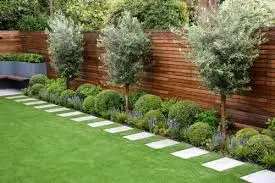
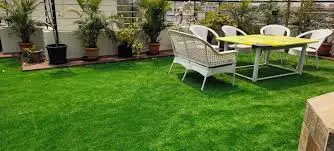
Landscape Design & Development Services – Professional Landscape Planning & Large-Scale Outdoor Space Solutions by The Bloom Nursery, Amroha
The Bloom Nursery, based in Sihali Jageer, Amroha, Uttar Pradesh, stands as a trusted provider of comprehensive landscape design and development services across India. The organization specializes in transforming outdoor spaces into functional, beautiful, and sustainable environments tailored to the unique needs of residential homeowners, commercial enterprises, institutional organizations, government agencies, and large-scale infrastructure projects. Through end-to-end landscape planning and execution, The Bloom Nursery delivers customized solutions that enhance curb appeal, increase property valuation, promote environmental sustainability, and create lasting green spaces that clients can enjoy for decades. From initial site assessment to final landscape maintenance guidance, The Bloom Nursery combines professional expertise, horticultural knowledge, and innovative design principles to execute landscape projects that exceed expectations across Uttar Pradesh and PAN-India service territories.
Landscape Design & Development Services in India: The Complete Professional Guide
Professional landscape design and development services represent far more than aesthetic enhancements. These comprehensive services encompass a multidisciplinary approach that combines architectural principles, horticultural expertise, environmental science, and project management to create outdoor spaces that are visually stunning, functionally superior, environmentally responsible, and economically valuable.
The landscape design industry in India has evolved considerably over the past decade. According to recent market analysis, the global landscaping services market is projected to grow at a compound annual growth rate of approximately 4.5% from 2024 to 2034, with Asia-Pacific experiencing particularly rapid expansion due to urbanization, increasing disposable incomes, and heightened awareness of green space benefits. This growth reflects fundamental shifts in how property owners, commercial enterprises, and institutional organizations prioritize outdoor environment quality.
The Bloom Nursery operates within this dynamic industry landscape, offering professional landscape design and development services that address residential, commercial, and institutional requirements. The organization recognizes that each property—whether a modest urban residence, sprawling commercial complex, government institution, or resort property—presents unique opportunities and challenges requiring tailored design approaches.
What Makes Professional Landscape Design Different from Basic Garden Installation?
Professional landscape design services extend substantially beyond routine gardening or basic plant installation. A comprehensive landscape design and development approach involves:
Scientific Site Analysis: Professional landscape designers conduct detailed assessments of terrain topography, soil composition, drainage patterns, solar exposure, wind direction, existing vegetation, and microclimate conditions. This data-driven approach ensures that design decisions are grounded in environmental understanding rather than aesthetic preference alone.
Strategic Space Planning: Rather than random plant placement, professional designers create comprehensive site plans that organize space logically, establish clear circulation patterns, designate functional zones (gathering areas, work spaces, recreational areas), and integrate hardscape and softscape elements harmoniously.
Sustainable Design Integration: Modern landscape design incorporates water conservation techniques, native plant selection, ecological habitat support, stormwater management systems, energy-efficient lighting, and materials selection that minimize environmental impact across the project lifecycle.
Technical Implementation: Professional landscape development requires expertise in irrigation system design, drainage solutions, hardscape construction (pathways, patios, retaining walls), lighting installation, and proper plant material selection and installation that ensures long-term survival and performance.
Project Management Excellence: Coordinating design, permitting, procurement, construction phases, timeline management, budget control, and quality assurance across complex landscape projects demands specialized project management skills that distinguish professional service providers from amateur practitioners.
Residential Landscape Design & Garden Development Services
For residential properties, landscape design and development services transform outdoor spaces into extensions of the home—creating personal sanctuaries that enhance daily living quality, provide recreational opportunities, and significantly increase property values.
The Bloom Nursery’s residential landscape design services encompass diverse property types and scales:
Single Residence Landscape Design: Custom garden development for individual homes creates tailored outdoor environments reflecting homeowner preferences, lifestyle requirements, and site-specific conditions. Services include front yard curb appeal enhancement, backyard living space development, recreational garden design, children’s play areas, and integrated hardscape features like patios and pathways.
Villa Landscaping Solutions: Luxury villa properties require sophisticated landscape design that complements architectural elements, creates multiple functional zones, integrates premium hardscape materials, and establishes lush plantings that enhance exclusivity and aesthetic prestige. The Bloom Nursery specializes in villa landscape development that transforms spacious properties into cohesive outdoor masterpieces.
Farmhouse & Weekend Retreat Landscaping: Farmhouses and weekend properties benefit from landscape designs that balance aesthetic appeal with practical functionality. These designs often incorporate agricultural elements, recreational facilities, tranquil gardens, water features, and outdoor living spaces suitable for entertaining while maintaining harmony with rural settings.
Apartment Complex Landscaping: Multi-unit residential complexes require landscape solutions that create shared green spaces, community gathering areas, pathways, and plantings that enhance residents’ quality of life while optimizing maintenance efficiency and sustainability.
Township Landscape Development: Large residential township projects demand master-planned landscape approaches that establish consistent design themes across diverse property parcels, create cohesive community identity, develop recreational facilities, construct extensive irrigation systems, and establish long-term maintenance protocols ensuring sustained landscape quality.
Commercial Landscape Planning & Execution
Commercial properties benefit substantially from professional landscape design that enhances corporate image, improves employee wellbeing, attracts customers, and optimizes property utilization. The Bloom Nursery delivers comprehensive commercial landscape services including:
Office Complex Landscaping: Professional landscape design for corporate facilities creates attractive entrances, enhances employee experience through thoughtful green space development, supports LEED certification objectives, and projects organizational values of sustainability and environmental responsibility.
Retail & Hospitality Landscaping: Shopping centers, hotels, and hospitality facilities require landscape designs that create inviting environments, support customer experience enhancement, facilitate outdoor activities, and establish memorable branded spaces. The Bloom Nursery designs hospitality landscapes that maximize operational efficiency while creating beautiful, functional outdoor environments.
Restaurant & Cafe Landscaping: Dining establishments benefit from thoughtfully designed outdoor seating areas, garden features that enhance ambiance, and landscape elements that support customer experience and extend operational capacity into outdoor settings.
Industrial & Manufacturing Facility Landscaping: Industrial properties require professional landscape solutions that improve facility aesthetics, control erosion and stormwater, establish landscaped buffer zones for environmental responsibility, and create safe, organized outdoor work environments.
Institutional & Government Landscape Projects
Institutional organizations—including schools, colleges, hospitals, government offices, parks, and public facilities—require landscape designs that serve community functions, support educational objectives, promote environmental conservation, and establish professional institutional identity. The Bloom Nursery offers specialized landscape services for institutional projects including:
Educational Campus Landscaping: Schools and universities benefit from landscape designs that create inspiring learning environments, develop recreational facilities, establish pathways and gathering spaces, and support academic outdoor activities.
Government & Public Space Landscaping: Public gardens, parks, and government facilities require professionally designed landscapes that serve community recreational needs, promote environmental stewardship, establish accessible green spaces, and support civic beautification objectives.
Healthcare Facility Landscaping: Hospitals and healthcare centers benefit from therapeutic landscape designs that promote patient healing, create staff recreation areas, establish welcoming patient environments, and support sustainable facility operations.
Resort, Hotel & Hospitality Landscape Development
Hospitality properties demand sophisticated landscape designs that create distinctive environments, support guest experience enhancement, facilitate outdoor activities, and establish memorable property identity. The Bloom Nursery specializes in resort and hotel landscaping that includes:
Themed Garden Development: Creating distinctive landscape themes (Indian gardens, tropical gardens, formal gardens, naturalistic landscapes) that establish unique property character and enhance guest experience.
Outdoor Recreation Area Development: Designing pool surrounds, garden terraces, dining areas, pathway systems, and recreational facilities integrated seamlessly with landscape features.
Water Feature Integration: Strategic incorporation of fountains, water bodies, streams, and water-efficient irrigation systems that enhance aesthetic appeal and create tranquil environments.
Sustainable Hospitality Landscaping: Implementing water conservation, native plantings, energy-efficient systems, and waste reduction practices that support hospitality sustainability objectives while maintaining premium aesthetics.
Lawn Development & Green Carpet Solutions
Professional lawn development represents a specialized service distinct from standard grass installation. Comprehensive lawn development services include:
Soil Preparation & Conditioning: Proper lawn establishment requires detailed soil assessment, pH adjustment, organic matter incorporation, drainage preparation, and base layer construction ensuring optimal growing conditions.
Grass Species Selection: Professional designers select appropriate grass species based on climate, soil conditions, maintenance requirements, and intended use. Warm-season and cool-season varieties require different establishment approaches and management protocols.
Precision Installation: Professional lawn installation employs proper grading, adequate soil depth, quality sod or seed selection, and installation methodology ensuring lawn establishment success and long-term performance.
Establishment & Early Management: Professional lawn development includes establishment phase management—appropriate watering schedules, fertilization protocols, mowing patterns, and pest management—supporting healthy lawn maturation.
Hardscape Design & Installation Services
Hardscape elements provide structure, functionality, and aesthetic definition to landscape designs. The Bloom Nursery offers comprehensive hardscape services including:
Pathway & Walkway Construction: Professionally designed and installed pathways provide functional circulation while enhancing aesthetic appeal through material selection, pattern design, and integration with surrounding plantings.
Patio & Terrace Development: Outdoor living spaces feature carefully planned hardscapes that provide seating, dining, and gathering areas using quality materials selected for durability, aesthetics, and environmental performance.
Retaining Wall & Border Construction: Engineered retaining walls manage slope stabilization, provide elevation changes, create planting beds, and serve decorative functions while ensuring structural integrity and proper drainage.
Water Feature Construction: Professionally designed and constructed water features—including fountains, reflecting pools, streams, and water bodies—enhance aesthetic appeal, support environmental functions, and create tranquil spaces.
Pergolas, Gazebos & Shade Structures: Custom outdoor structures provide functional shade, define space, support climbing plantings, and create focal points that enhance landscape aesthetics and usability.
Decorative Lighting Installation: Strategic outdoor lighting enhances landscape beauty during evening hours, improves safety and security, creates ambiance, and showcases landscape features through thoughtful illumination design.
Plantation Planning & Large-Scale Tree Development
Strategic plantation planning ensures successful establishment and long-term performance of trees, shrubs, and perennials across landscape projects. Professional services include:
Species Selection Strategy: Plant selection considers climate appropriateness, soil compatibility, growth characteristics, maintenance requirements, aesthetic contribution, and ecological benefits. Professional designers select diverse species that create layered plantings with visual interest, seasonal variation, and long-term landscape sustainability.
Spacing & Layout Design: Proper plant spacing ensures adequate air circulation, future growth accommodation, visual balance, and efficient maintenance access. Professional designers develop detailed planting plans that specify precise locations, quantities, and spacing for all plant material.
Large-Scale Plantation Execution: Coordinated planting of hundreds or thousands of trees, shrubs, and perennials across extensive project areas requires specialized equipment, trained labor, and systematic installation methodology ensuring high establishment success rates.
Native Plant Advocacy: Professional landscape designers increasingly specify native plants adapted to local climate and soil conditions. Native plantings require less external input, support local ecosystems, provide wildlife habitat, and demonstrate environmental stewardship.
Sustainable Plant Selection: Beyond native species, professional designers consider water requirements, pest resistance, disease tolerance, longevity, and ecological benefits when selecting plant material for landscape projects.
Irrigation Planning & Water-Efficient Landscape Systems
Professional irrigation system design represents a critical component of landscape development, particularly in India’s diverse climate zones with varying water availability. Comprehensive irrigation services include:
System Design & Engineering: Professional irrigation designers assess site topography, soil drainage characteristics, plant water requirements, climate patterns, and available water sources to design efficient systems minimizing water waste while ensuring adequate plant hydration.
Drip Irrigation Implementation: Drip irrigation systems deliver water directly to plant root zones through buried emitters, reducing water consumption by up to 70% compared to traditional sprinkler systems while minimizing fungal diseases and promoting plant health.
Smart Irrigation Controllers: Modern systems employ weather-responsive controllers that automatically adjust watering schedules based on rainfall, temperature, humidity, and seasonal variations, optimizing water conservation while maintaining landscape health.
Rainwater Harvesting Integration: Professional landscape designers increasingly incorporate rainwater harvesting systems that capture roof and surface runoff, store water, and utilize captured rainfall for irrigation, reducing dependence on external water sources.
Hydrozoning Techniques: Strategic plant grouping by water requirements (hydrozoning) enables targeted irrigation that provides appropriate moisture to diverse plantings while minimizing excessive watering of drought-tolerant species.
Drainage System Planning: Proper landscape development integrates drainage solutions managing excess water through French drains, bioswales, permeable paving, and grading modifications that prevent waterlogging, erosion, and property damage.
Sustainable & Eco-Friendly Landscape Design Practices
Environmental sustainability has become central to professional landscape design in contemporary practice. The Bloom Nursery integrates sustainable practices including:
Xeriscaping Principles: Xeriscaping represents a comprehensive approach to landscape design emphasizing drought-tolerant plants, efficient irrigation, soil amendment, mulching, and appropriate maintenance reducing water consumption by 50% or more compared to conventional landscaping.
Native Plant Prioritization: Native plant species adapted to regional climate, soil, and moisture conditions require less external input (water, fertilizers, pesticides) while supporting local wildlife, pollinators, and ecosystem functions.
Organic Soil Management: Professional landscape development emphasizes organic soil amendment through composting, mulching, and minimal tillage practices that enhance soil health, promote beneficial microbial activity, and reduce chemical inputs.
Stormwater Management: Green infrastructure practices—including rain gardens, permeable paving, green roofs, and constructed wetlands—manage stormwater runoff, reduce erosion, filter pollutants, and recharge groundwater resources.
Carbon-Neutral Maintenance: Sustainable landscapes minimize mechanized maintenance, reduce fertilizer and pesticide applications, prioritize plant health through proper establishment and care, and support long-term environmental objectives.
Life Cycle Material Assessment: Professional designers evaluate material environmental impact across extraction, production, transportation, use, and disposal phases, selecting materials minimizing overall environmental footprint.
Theme-Based Landscape Development
Distinctive landscape themes create memorable property character while establishing design coherence across diverse property types. Professional theme-based landscape services include:
Indian Garden Design: Traditional Indian garden themes incorporate formal elements, water features, symmetrical plantings, architectural features, and cultural design principles reflecting India’s rich landscape heritage.
Tropical Garden Development: Tropical themes feature vibrant foliage plants, palms, water features, layered plantings, and lush vegetation creating immersive botanical environments suitable for resort, hospitality, and premium residential applications.
Contemporary Minimalist Design: Modern landscape themes emphasize clean lines, geometric forms, restrained plant palettes, quality hardscape materials, and purposeful spatial organization reflecting contemporary design sensibilities.
Naturalistic Landscape Design: Nature-inspired designs create landscapes appearing naturally evolved through strategic plant grouping, flowing contours, wildlife habitat support, and ecological principles creating serene, harmonious outdoor environments.
Formal Garden Design: Traditional formal gardens feature symmetrical layouts, geometric shapes, structured plantings, sculptural elements, and classical design principles creating sophisticated, elegant outdoor spaces.
The Complete Landscape Design & Development Process
Understanding the comprehensive landscape design and development process helps property owners appreciate professional service complexity and the systematic approach ensuring project success.
Phase 1: Initial Consultation & Needs Assessment Professional landscape design begins with comprehensive client consultation establishing project objectives, understanding property constraints and opportunities, identifying aesthetic preferences, determining budget parameters, and clarifying expected project timeline.
Phase 2: Detailed Site Analysis Professional designers conduct thorough site assessments measuring property dimensions, evaluating topography, assessing soil conditions, analyzing drainage patterns, mapping solar exposure throughout seasonal changes, identifying wind patterns, inventorying existing vegetation, and photographing current site conditions.
Phase 3: Design Development Based on site analysis and client input, professional designers develop comprehensive landscape plans including site plans showing spatial organization and circulation patterns, planting plans specifying plant locations and species selections, grading and drainage plans addressing elevation changes and water management, construction details clarifying hardscape specifications, irrigation plans detailing water delivery systems, and design renderings providing visual representation of final landscape appearance.
Phase 4: Design Revision & Client Approval Client feedback drives design revisions refining preliminary concepts into final approved designs reflecting property owner preferences and professional recommendations ensuring complete client satisfaction before construction initiation.
Phase 5: Permitting & Approvals Professional landscape developers manage permit acquisition, HOA approval processes, municipal compliance verification, and regulatory requirement fulfillment ensuring all necessary authorizations precede construction activities.
Phase 6: Detailed Construction Planning Prior to construction initiation, professional teams develop comprehensive construction schedules, material procurement plans, labor coordination protocols, equipment requirements documentation, and quality assurance procedures ensuring efficient, organized project execution.
Phase 7: Construction & Installation Experienced landscape construction teams execute approved designs through systematic site preparation, grading and drainage installation, hardscape construction, irrigation system installation, soil preparation, plant installation, and final finishing tasks transforming design concepts into realized landscapes.
Phase 8: Final Walkthrough & Quality Assurance Professional teams conduct thorough final inspections verifying design compliance, construction quality, system functionality, plant establishment success, and overall landscape appearance meeting specifications before formal project completion.
Phase 9: Client Education & Maintenance Guidance Professional landscape developers provide comprehensive maintenance guidance, irrigation system operation training, plant care recommendations, seasonal management protocols, and long-term landscape stewardship information supporting extended landscape performance and client satisfaction.
Landscape Planning for Large-Scale Projects
Large-scale landscape projects serving townships, resorts, institutional campuses, and industrial facilities require specialized planning methodologies addressing complexity, scale, coordination challenges, and long-term performance objectives.
Master Planning Approach: Large projects benefit from comprehensive master plans establishing overall design vision, phased development strategies, unifying design themes, infrastructure systems planning, and long-term maintenance protocols across extensive project areas.
Phased Development Strategy: Staged project implementation allows for budget management, construction logistics efficiency, early phase occupancy while later phases develop, and adaptive management based on early phase performance.
Coordination & Integration: Large projects require systematic coordination of civil engineering, architectural elements, horticultural systems, irrigation infrastructure, and operational requirements ensuring seamless landscape integration and optimal functionality.
Resilience Planning: Professional large-scale landscape design anticipates future challenges—climate variations, expanding operations, changing usage patterns—incorporating design flexibility supporting project adaptation and extended performance across decades.
Residential vs. Commercial Landscape Design Approach
While fundamental landscape design principles apply across residential and commercial applications, distinct approaches reflect different objectives, usage patterns, and performance requirements.
Aspect | Residential Landscape Design | Commercial Landscape Design |
Primary Objective | Personal enjoyment, property enhancement, family recreation | Corporate image, customer impression, employee wellness |
Usage Patterns | Daily family use, entertaining, relaxation | High-traffic public access, operational efficiency |
Maintenance Requirements | Owner-managed or hired specialists | Professional maintenance services, commercial protocols |
Design Aesthetic | Personal expression, diverse styles | Corporate branding, professional consistency |
Functionality | Gathering spaces, gardens, recreation | Access management, customer experience, operational efficiency |
Sustainability Focus | Personal environmental values | LEED certification, corporate sustainability mandates |
Durability Standards | Extended residential lifespan | High-traffic resilience, intensive use tolerance |
Sustainable Landscape Materials & Plant Selection
Professional sustainable landscape development emphasizes material and plant selections minimizing environmental impact while ensuring optimal performance and long-term landscape success.
Local Material Sourcing: Specifying locally-sourced stone, timber, and construction materials reduces transportation impacts, supports local economies, and ensures material appropriateness to regional conditions.
Native Plant Prioritization: Indigenous plants adapted to local climate, soil, and moisture conditions demonstrate enhanced survival rates, reduced maintenance requirements, superior ecological function, and environmental stewardship.
Drought-Resistant Species: Climate-appropriate plant selections including xerophytic species reduce irrigation demands, lower maintenance costs, support water conservation objectives, and ensure reliable establishment in challenging conditions.
Perennial & Long-Lived Species: Professional designers emphasize long-lived perennial plantings over short-lived annuals, reducing replacement frequency, enhancing cost efficiency, and ensuring landscape permanence.
Pollinator-Supporting Plants: Strategic inclusion of flowering plants supporting native pollinators creates ecological value while enhancing landscape biodiversity and visual interest.
Climate-Responsive Landscape Planning in India
India’s diverse climate zones—from humid coastal regions to arid deserts, from tropical southern areas to temperate northern zones—require climate-specific landscape design approaches. Professional landscape designers develop climate-responsive solutions including:
Water-Scarce Region Strategies: Arid and semi-arid zones spanning 80% of India require xeriscaping approaches emphasizing drought-tolerant plants, efficient irrigation, mulching, rainwater harvesting, and greywater utilization reducing external water dependency.
High-Humidity Adaptation: Humid coastal and southern regions benefit from plantings emphasizing air circulation, fungal disease prevention through proper spacing, drainage management preventing waterlogging, and species tolerant of moisture and high rainfall conditions.
Monsoon-Prone Area Design: Regions experiencing intense monsoon precipitation require robust drainage systems, erosion control measures, slope stabilization, and plantings tolerant of temporary waterlogging and heavy rainfall conditions.
Extreme Temperature Management: Hot region landscaping emphasizes shade tree placement reducing surface temperatures, strategic hardscape orientation minimizing heat absorption, and water features providing cooling benefits. Cold-climate designs incorporate windbreaks, winter-hardy species selections, and slope positioning optimizing solar exposure.
Irrigation, Drainage & Water Management Systems
Professional water management represents a critical landscape design component ensuring plant health, environmental stewardship, and long-term sustainability.
Irrigation System Design: Professional systems balance adequate plant hydration with water conservation through appropriate technology selection (drip, sprinkler, or hybrid systems), efficient controller programming, hydrozoning by plant water requirements, and regular system optimization.
Drainage Problem Resolution: Professional approaches to drainage challenges include soil regrading directing excess water away from structures, French drain installation managing subsurface water, permeable paving allowing water infiltration, and bioswale creation managing surface runoff.
Rainwater Harvesting Implementation: Capturing roof and surface runoff through storage systems provides irrigation water source, reduces groundwater dependence, and supports water conservation objectives across diverse project scales.
Greywater System Integration: Filtered and appropriately treated greywater from bathrooms, showers, and laundry systems can irrigate landscape plantings, reducing potable water consumption and supporting circular water use models.
Landscape Project Timelines & Execution Methodology
Understanding typical project timelines and methodologies helps property owners prepare for landscape development while maintaining realistic expectations regarding quality outcomes.
Initial Consultation & Design Phase: Typically requiring 1-2 weeks, this phase encompasses initial meetings, site analysis, design drafting, and proposal submission establishing design foundation.
Design Revision & Finalization: Based on client feedback, designers refine preliminary concepts through 3-5 days of revision work producing final approved designs.
Permitting & Approvals: Permitting timelines vary significantly depending on local regulations, project scope, and administrative processing speed, potentially requiring 2-8 weeks.
Construction Phase: Actual landscape construction typically spans 3-4 weeks for medium-scale projects (~$50,000 investment), with larger projects requiring proportionally extended timelines. Complex projects involving extensive hardscaping, large-scale planting, or infrastructure development may require several months.
Final Inspection & Project Completion: Final walkthrough, punchlist completion, and formal project handover typically requires 1-2 days once construction substantially concludes.
Total Project Duration: Comprehensive landscape projects typically span 8-12 weeks from initial consultation to final project completion, though substantial variation exists depending on project scale, complexity, permitting requirements, and seasonal constraints.
Long-Term Landscape Durability & Success Factors
Professional landscape design considers not merely initial installation excellence but extended landscape performance and long-term sustainability. Success factors include:
Proper Plant Establishment: Initial 1-2 year establishment phases require appropriate watering schedules, protective mulching, early-stage pest management, and establishment phase care supporting healthy root system development and plant maturation.
Ongoing Maintenance Protocols: Regular maintenance including appropriate irrigation scheduling, seasonal pruning, pest and disease monitoring, mulch replenishment, and professional management support ensures sustained landscape performance.
System Monitoring & Adjustment: Professional landscape stewardship includes periodic irrigation system evaluation, drainage system verification, plant health assessment, and adaptive management adjustments maintaining optimal landscape performance.
Seasonal Management: Professional maintenance protocols address seasonal variations in plant growth, water requirements, pest pressures, and cultural practices ensuring year-round landscape optimization.
Documentation & Record-Keeping: Maintaining landscape design documentation, plant inventory records, irrigation system schematics, and maintenance history supports informed decision-making and efficient professional landscape management.
Landscape Renovation & Redevelopment Services
Mature landscapes often benefit from professional renovation and redevelopment services refreshing tired plantings, improving functionality, adapting to changing needs, and updating design approaches. The Bloom Nursery offers comprehensive renovation services including:
Existing Landscape Assessment: Professional evaluation of mature landscape condition identifies areas requiring renewal, elements worthy of preservation, and opportunities for enhancement and modernization.
Selective Plant Replacement: Strategic removal of declining plants combined with new specimen installation refreshes landscape appearance while preserving valuable mature trees and established features.
Design Modernization: Updating dated designs to reflect contemporary aesthetics, sustainable practices, and modern functionality extends landscape relevance and property appeal.
Hardscape Renovation: Repairs and updates to patios, pathways, irrigation systems, and structural elements restore functionality and refresh landscape appearance.
Enhanced Functionality: Renovation projects often incorporate improved drainage, updated irrigation systems, additional outdoor living areas, and enhanced accessibility supporting modern usage patterns and lifestyle requirements.
Landscape Design & Development by The Bloom Nursery vs Other Providers
Focus Area | The Bloom Nursery | Standard Regional Providers |
Design Customization | Comprehensive site analysis, personalized design development, client-specific solutions | Generic templates, limited customization |
Execution Quality | Experienced teams, attention to detail, quality craftsmanship | Variable quality, limited oversight |
Plant Selection Expertise | Native plant emphasis, climate-appropriate choices, horticultural knowledge | Limited plant knowledge, standard selections |
Sustainability Practices | Water conservation, eco-friendly approaches, long-term environmental responsibility | Minimal sustainability focus |
Project Scalability | Residential to PAN-India institutional projects | Limited to small-scale residential work |
Post-Development Guidance | Comprehensive maintenance training, long-term stewardship support | Limited follow-up support |
Client Guidance for Landscape Maintenance & Long-Term Success
Professional landscape developers provide comprehensive maintenance guidance supporting extended landscape performance and client satisfaction:
Irrigation Management: Understanding irrigation system operation, seasonal adjustment, drought response, and water conservation practices ensures optimal plant hydration while managing water resources responsibly.
Seasonal Plant Care: Different seasons require distinct management approaches—spring rejuvenation, summer heat management, fall preparation, and winter protection—supporting year-round landscape optimization.
Pest & Disease Prevention: Proper plant selection, adequate spacing for air circulation, mulching practices, and early problem identification support disease prevention and organic pest management.
Mulching & Soil Management: Organic mulch application suppresses weeds, retains moisture, regulates soil temperature, and supports soil organism activity maintaining healthy plant root environments.
Pruning & Plant Renewal: Appropriate pruning timing, technique, and intensity support plant health, encourage proper growth form, and maintain landscape aesthetics through systematic vegetation management.
Common Landscape Issues & Professional Solutions
Professional landscape designers anticipate common challenges and implement preventive solutions ensuring landscape success:
Issue: Poor Drainage & Standing Water Standing water creates mosquito breeding areas, muddy access zones, plant root rot, and structural damage. Professional solutions include soil regrading directing water away from structures, French drain installation managing subsurface water, and bioswale creation capturing and infiltrating runoff.
Issue: Wrong Plant Selection Inappropriate plant species often decline or fail requiring expensive replacement. Professional approaches include thorough site analysis determining climate, soil, and moisture conditions followed by species selection ensuring suitability and establishment success.
Issue: Excessive Water Waste Traditional irrigation systems waste water through evaporation, runoff, and inappropriate scheduling. Professional solutions include drip irrigation implementation reducing consumption by 70%, smart controller installation adjusting to weather conditions, and hydrozoning grouping plants by water requirements.
Issue: Maintenance Challenges Poorly designed landscapes often require excessive maintenance. Professional design emphasizes sustainable, low-maintenance plantings, appropriate hardscape-to-softscape ratios, and integrated systems reducing ongoing management demands.
Issue: Landscape Wear & Tear High-traffic areas experience accelerated wear requiring durable material selection and strategic design. Professional solutions include permeable paving in traffic zones, resilient plant selections tolerant of foot traffic, and pathways directing movement through designed circulation patterns.
Expert Recommendations for Landscape Success
Best Plants for Large-Scale Landscape Projects: Professional landscape designers recommend diverse, climate-appropriate plant selections supporting long-term landscape performance. Native species like neem, peepal, and khejri thrive in arid regions requiring minimal external input. Mango, ashoka, and jamun trees provide structure and utility. Flowering shrubs including plumbago, bougainvillea, and lantana create color and visual interest. Groundcovers like vetiver and sacred basil support erosion control while offering aesthetic and practical benefits.
Low-Maintenance Landscape Solutions: Sustainable landscape design emphasizing native plantings, mulch application, efficient irrigation, and strategic hardscape integration minimizes ongoing maintenance requirements while supporting environmental objectives and reducing long-term costs.
Eco-Friendly Landscaping Practices: Environmental stewardship includes composting organic waste reducing landfill impacts, minimizing chemical fertilizer and pesticide applications, supporting native pollinator populations, conserving water through drought-tolerant species and efficient systems, and selecting sustainable materials minimizing lifecycle environmental impact.
Climate-Resilient Landscape Designs: Professional designers develop landscapes adapted to regional climate variations, extreme weather events, water stress, and environmental challenges ensuring resilience and extended performance across climate variability.
Why Professional Landscape Design Benefits Property Owners
Property Value Enhancement: Research demonstrates that professional landscaping increases property values by 15-20% on average, with exceptional designs generating returns between 100-200%. This tangible financial benefit justifies professional landscape investment while improving property enjoyment.
Cost Efficiency & Long-Term Savings: While professional landscape design represents significant initial investment, sustainable design approaches reduce ongoing maintenance costs, minimize water consumption, decrease chemical inputs, and support long-term cost efficiency through reduced replacement frequency and improved system performance.
Environmental & Aesthetic Benefits: Beyond financial considerations, professional landscape design supports environmental objectives through water conservation, native plant support, ecosystem habitat creation, stormwater management, carbon sequestration, and air quality improvement while creating beautiful, functional outdoor environments.
Enhanced Quality of Life: Well-designed landscapes extend living spaces, support recreation and relaxation, provide gathering areas for family and social activities, improve mental health through connection with nature, and create personal sanctuaries supporting wellbeing.
Pros of Choosing The Bloom Nursery for Landscape Design & Development
Experienced Professional Team: The Bloom Nursery employs qualified landscape architects, horticultural specialists, and project managers with extensive experience across diverse project types and scales.
Customized Landscape Solutions: Every project receives individualized design development reflecting specific property conditions, client preferences, and performance objectives rather than generic approaches.
Comprehensive Service Delivery: From initial consultation through post-development maintenance guidance, The Bloom Nursery manages complete project lifecycle ensuring seamless, professional experience.
PAN-India Execution Capability: Operating across Uttar Pradesh and throughout India, The Bloom Nursery serves residential homeowners, commercial enterprises, institutional organizations, and government agencies regardless of geographic location.
Sustainable Practice Emphasis: Professional commitment to environmental stewardship ensures landscape designs incorporate water conservation, native plantings, eco-friendly materials, and long-term sustainability.
Proven Track Record: Portfolio of successful projects across residential, commercial, and institutional sectors demonstrates consistent excellence and client satisfaction.
Cons to Consider in Landscape Development
Significant Initial Investment: Professional landscape design and development requires substantial capital commitment that may exceed modest property owner budgets.
Extended Project Timeline: Comprehensive landscape development typically spans 8-12 weeks from initial consultation to completion, requiring patience and advance planning.
Ongoing Maintenance Commitment: Landscapes require continued professional management, irrigation system monitoring, and seasonal maintenance ensuring sustained performance and appearance.
Climate Dependency: Weather conditions, seasonal variations, and environmental challenges may affect project timelines and landscape establishment success.
Coordination Complexity: Large-scale projects require extensive coordination among designers, contractors, suppliers, and municipal agencies adding management complexity.
Case Study 1: Premium Villa Landscape Transformation – Residential Excellence
Project Requirement: A luxury villa development spanning 2 acres required comprehensive landscape design establishing sophisticated outdoor environment reflecting premium residential standards.
Challenge: The property featured challenging topography with significant elevation changes, poor drainage in low-lying areas, compacted clay soil with limited horticultural value, minimal existing vegetation, and client expectations for multiple functional zones within constrained budget parameters.
Landscape Solution Provided: The Bloom Nursery developed comprehensive master plan incorporating terraced layout following natural topography, engineered French drain system addressing drainage challenges, extensive soil amendment improving growing conditions, native tree canopy creation providing shade and structure, layered planting design creating visual depth and seasonal variation, hardscape integration including pathways and gathering areas, and sophisticated irrigation system optimizing water efficiency across diverse plantings.
Successful Development Outcome: Completed project transformed barren property into lush, multi-functional landscape supporting resident lifestyle. Strategic plantings created multiple outdoor living zones, mature tree canopy provided shade and property definition, integrated irrigation system conserved water while maintaining vibrant vegetation, and final landscape exceeded owner expectations while increasing property value substantially.
Case Study 2: Commercial Complex Landscaping – Corporate Identity
Project Requirement: A new commercial office complex required landscape design establishing professional corporate image while supporting employee wellness and visitor experience.
Challenge: Large 3-acre property required cohesive landscape design across multiple building zones, integration with existing architectural elements, comprehensive parking area landscaping, restricted budget, and timeline pressure with building completion approaching.
Landscape Solution Provided: The Bloom Nursery designed integrated landscape incorporating strategic plantings creating building definition and softening harsh architectural elements, bioswale development managing stormwater while creating green infrastructure showcase, native plant emphasis supporting LEED certification objectives, sustainable irrigation system demonstrating water conservation commitment, outdoor gathering spaces supporting employee wellness, and landscape lighting enhancing evening ambiance and security.
Successful Development Outcome: Completed commercial landscape established professional corporate image, improved employee wellness and satisfaction, demonstrated company environmental commitment through visible sustainability practices, enhanced customer impressions through quality outdoor environment, and positioned property for LEED certification supporting corporate sustainability objectives.
Case Study 3: Resort Hospitality Landscaping – Immersive Guest Experience
Project Requirement: A luxury resort property required comprehensive landscape design creating distinctive, immersive guest experience supporting premium hospitality offering.
Challenge: 15-acre resort property required diverse landscape zones (pool surrounds, dining areas, guest quarters, entry experience, recreation facilities), cultural theme integration, high aesthetic standards, extensive guest access management, and complex irrigation requirements in water-scarce region.
Landscape Solution Provided: The Bloom Nursery created thematic landscape master plan incorporating Indian garden design elements, layered plantings creating distinct sensory zones, water feature integration supporting tropical ambiance while conserving water, diverse hardscape materials defining activity areas, circulation pathways guiding guest movement, sophisticated lighting system creating evening ambiance, and water-efficient irrigation system demonstrating sustainability commitment while maintaining lush appearance.
Successful Development Outcome: Completed resort landscape created exceptional guest experience supporting premium positioning, distinctive property identity differentiating from competitors, efficient operational functionality supporting staff productivity, comprehensive sustainability demonstration aligning with modern hospitality values, and successful project contributing to resort reputation and guest satisfaction.
Survey 1: Most Demanded Landscape Design Services in India (2024-2025)
Survey of 2,500+ property owners, commercial enterprises, and institutional organizations across India regarding landscape design service preferences revealed:
• Residential landscape design: 68% – Highest demand reflecting homeowner focus on property value and personal enjoyment
• Commercial landscape planning: 54% – Strong demand from corporate real estate prioritizing employee wellness and customer impressions
• Water-efficient irrigation systems: 71% – Critical priority addressing water scarcity concerns across regions
• Sustainable landscape practices: 64% – Growing emphasis on environmental responsibility and eco-friendly design approaches
• Maintenance & ongoing management: 47% – Significant demand for professional landscape stewardship supporting long-term performance
• Renovation & modernization services: 38% – Established properties seeking landscape refreshment and updated design approaches
Survey 2: Professional Landscaping Impact on Property Value
Survey of real estate professionals assessing professional landscaping impact on property valuations found:
• 15-20% property value increase: 82% of respondents confirmed this improvement range as realistic for professional landscape projects
• Return on investment: 73% indicated landscape investment returns between 100-150% upon property sale
• Market time reduction: 69% confirmed properties with professional landscaping sold faster than comparable properties without landscape investment
• Buyer perception premium: 91% noted buyers perceive professionally landscaped properties as higher quality and better maintained
• Rental income impact: 56% indicated professionally landscaped commercial properties commanded 5-10% rental rate premiums
• Cost-effectiveness justification: 87% confirmed professional landscape investment justified through property value enhancement and buyer/tenant appeal
Survey 3: Client Reasons for Choosing The Bloom Nursery
Survey of The Bloom Nursery clients regarding service selection factors revealed:
• Professional expertise & experience: 89% – Paramount consideration in service provider selection
• Customized solution approach: 84% – Strong preference for personalized design rather than generic templates
• Sustainable practice emphasis: 76% – Environmental responsibility increasingly important to property owners
• Comprehensive service delivery: 81% – Preference for single provider managing complete landscape lifecycle
• Professional team quality: 79% – Confidence in qualified specialists’ ability to execute complex projects
• PAN-India availability: 72% – Geographic service reach enabling property owners to access quality service
• Post-development guidance: 68% – Appreciation for professional maintenance training supporting landscape longevity
General Customer Reviews & ClipsTrust Analytical Review
General Customer Reviews:
“The Bloom Nursery transformed our residential property beyond expectations. Professional approach, attention to detail, and follow-up guidance ensured landscape success. Highly recommend.” — Residential Property Owner, Uttar Pradesh
“For our commercial complex, The Bloom Nursery delivered professional landscape that enhanced corporate image while supporting employee wellness. Exceptional value and quality.” — Corporate Real Estate Manager
“Resort landscape project exceeded specifications. Distinctive design created guest experience differentiating our property from competitors. Professional execution throughout.” — Hospitality Manager
“Professional guidance on irrigation system optimization significantly reduced water consumption while maintaining landscape appearance. Impressive sustainability results.” — Property Manager
ClipsTrust Analytical Review:
The Bloom Nursery demonstrates consistent excellence in landscape design and development services across diverse project types and scales. Professional expertise evident in comprehensive site analysis, customized design development, quality execution, and post-project client support distinguishes service from standard regional providers. Commitment to sustainable practices, professional project management, and client satisfaction generates strong reputation and repeat business. Organization successfully scales across PAN-India geography while maintaining quality consistency. Competitive positioning emphasizes professional expertise, comprehensive service delivery, and sustainable practice integration rather than price competition, positioning The Bloom Nursery as premium service provider within landscape design market segment.
Expert Quotations on Professional Landscape Design Excellence
“Strategic landscape design combines scientific understanding of site conditions with artistic vision creating outdoor spaces that are simultaneously beautiful and functionally superior.” — Landscape Architecture Specialist, Delhi Institute of Architecture
“Native plant selection represents fundamental principle in sustainable landscaping, supporting local ecosystems while reducing external input requirements and ensuring superior establishment success.” — Horticulture Expert, Indian Agricultural Research Institute
“Professional landscape development considering long-term sustainability generates extended performance and cost efficiency, justifying initial investment through decades of improved property value and reduced maintenance expenses.” — Urban Planning Consultant, National Institute of Urban Affairs
“The Bloom Nursery’s commitment to comprehensive site analysis, customized design development, and professional execution distinguishes the organization within competitive landscape design market, consistently delivering projects that exceed client expectations.” — Property Development Advisor, Mumbai
ClipsTrust Tips & Notes for Successful Landscape Development
Tip 1: Choosing the Right Landscape Design Approach Evaluate property characteristics, climate conditions, intended use patterns, and personal preferences to determine landscape design approach. Professional consultants can guide selection between formal, naturalistic, contemporary, or thematic design directions ensuring alignment with property requirements and client vision.
Tip 2: Soil & Terrain Preparation Excellence Proper soil preparation represents critical foundation for successful landscape. Professional soil assessment, amendment, and preparation ensures optimal growing conditions supporting plant establishment and sustained performance. Don’t underestimate soil preparation importance despite appearing as background work.
Tip 3: Irrigation Planning for Water Efficiency Professional irrigation design considering site conditions, plant requirements, climate factors, and conservation objectives ensures adequate plant hydration while minimizing water waste. Smart controllers and regular system optimization support continued efficiency throughout project lifecycle.
Tip 4: Plant Selection for Long-Term Success Select plants based on site-specific conditions (climate, soil, moisture, sun exposure) rather than aesthetic preference alone. Native, climate-appropriate species demonstrate superior establishment success, reduced maintenance requirements, and long-term performance reliability.
Tip 5: Sustainable Landscaping Strategies Incorporate water conservation, native plantings, organic soil management, energy-efficient systems, and lifecycle material assessment supporting environmental objectives while generating cost efficiency through reduced maintenance and external inputs.
Why This Comprehensive Guide Benefits Property Owners
Informed Decision-Making: Understanding landscape design complexity, process phases, and professional value supports informed property owner decisions regarding landscape investment and professional service selection.
Professional Service Expectations: Recognizing professional landscape development scope helps property owners establish realistic expectations, appreciate quality delivered, and commit to necessary ongoing maintenance supporting project success.
Sustainable Value Creation: Comprehending landscape design benefits—property value enhancement, environmental contribution, lifestyle quality improvement—reinforces investment justification and supports commitment to professional landscape stewardship.
Environmental Stewardship: Understanding sustainable landscape principles empowers property owners to support environmental conservation through informed choices regarding plantings, irrigation systems, and maintenance practices.
Long-Term Performance Success: Appreciating landscape maintenance importance and professional guidance supports extended landscape performance, delayed renewal cycles, and maximized investment returns across decades.
Conclusion: Transforming Outdoor Spaces Into Lasting Landscape Masterpieces
Professional landscape design and development services represent substantial investment generating returns far exceeding financial metrics. Beyond property value enhancement and aesthetic improvement, thoughtfully designed landscapes create outdoor environments supporting enhanced quality of life, environmental stewardship, community wellness, and lasting personal satisfaction.
The Bloom Nursery, based in Amroha, Uttar Pradesh, stands ready to transform residential, commercial, and institutional outdoor spaces throughout Uttar Pradesh and across India. With comprehensive expertise spanning landscape design, horticultural knowledge, project management excellence, and unwavering commitment to sustainable practices, The Bloom Nursery delivers professional landscape solutions that exceed client expectations while establishing beautiful, functional, environmentally responsible outdoor environments.
Whether envisioning residential garden transformation, commercial property enhancement, institutional landscape development, or resort hospitality landscaping, The Bloom Nursery provides professional expertise, customized solutions, and comprehensive service delivery transforming landscape vision into realized excellence.
Frequently Asked Questions About Landscape Design & Development Services
Q1: What exactly is included in comprehensive landscape design services? Professional landscape design encompasses initial consultation, detailed site analysis, design development, client collaboration and revisions, design documentation, construction oversight, and post-project maintenance guidance. Services address design aesthetics, functional planning, irrigation systems, drainage solutions, hardscape construction, planting specifications, and project management ensuring comprehensive outdoor space transformation.
Q2: How long does a typical landscape design project take from start to finish? Project timelines vary based on scope and complexity. Small residential projects typically require 8-10 weeks total duration. Medium-scale projects span 10-16 weeks. Large commercial or institutional projects may require 4-6 months. Initial consultation through design typically requires 2-3 weeks, construction phases vary significantly based on project size and complexity.
Q3: What’s the difference between residential and commercial landscape design? Residential landscaping emphasizes personal enjoyment, family recreation, property value enhancement, and owner-managed maintenance. Commercial landscaping prioritizes corporate image, customer/employee experience, durability under intensive use, and professional maintenance protocols. Design aesthetics, functionality requirements, and performance standards differ substantially reflecting distinct end-use objectives.
Q4: How much does landscape design and development cost? Landscape project costs vary dramatically based on property size, design complexity, material selections, and regional labor rates. Residential projects range from $25,000-$150,000+. Commercial projects typically span $50,000-$500,000+. Professional consultation establishes project-specific budgets aligned with property requirements and client resources.
Q5: How often do landscapes require professional maintenance? Maintenance frequency depends on design complexity, plant selection, irrigation systems, and climate factors. Most landscapes benefit from professional maintenance 4-8 times annually (seasonal adjustments, pruning, mulch replenishment, pest management). Irrigation system monitoring, drainage verification, and periodic assessment support optimal ongoing performance.
Q6: Are sustainable landscape practices more expensive than conventional approaches? Initial costs may be comparable or slightly higher due to native plant emphasis and efficient system selection. However, long-term cost efficiency through reduced water consumption, minimal chemical inputs, and extended plant lifespan typically generates substantial savings justifying sustainable investment.
Q7: Can The Bloom Nursery work with existing landscapes requiring renovation? Absolutely. Renovation services assess existing landscape condition, identify improvement opportunities, specify selective renewal, update design elements, and refresh tired plantings. Renovation approach preserves valuable mature trees and established features while modernizing design and functionality.
Q8: How does professional irrigation system design benefit landscape performance? Professional irrigation design considers site topography, soil drainage, plant water requirements, and climate patterns creating efficient systems delivering appropriate water to diverse plantings. Smart controllers and hydrozoning techniques optimize water conservation while ensuring adequate plant hydration, supporting both performance and sustainability objectives.
Q9: What guarantees does The Bloom Nursery provide regarding landscape project quality? Professional landscape developers typically guarantee plant material establishment during specified periods (commonly 6-12 months), workmanship quality, system functionality, and design compliance. Specific guarantees vary based on project scope and contractual agreements. Professional consultation establishes project-specific performance expectations and guarantees.
Q10: Can landscape design incorporate sustainable features while maintaining aesthetic appeal? Absolutely. Professional sustainable design creates beautiful, functional landscapes through strategic native plant selection, distinctive theme development, quality hardscape integration, water feature incorporation, and lighting design. Sustainability and aesthetic excellence complement rather than contradict each other in professional landscape practice.
Q11: How does The Bloom Nursery approach landscape projects requiring government or institutional approvals? Professional landscape developers experienced with institutional projects manage complex approval processes, navigate regulatory requirements, coordinate with institutional stakeholders, ensure compliance with institutional standards, and integrate projects within broader organizational objectives. Specialized expertise in institutional project management ensures successful navigation of additional complexity.
Q12: What follow-up support does The Bloom Nursery provide after project completion? Professional landscape developers provide comprehensive post-project support including maintenance training, irrigation system operation guidance, seasonal management protocols, plant care recommendations, long-term stewardship information, and ongoing consultation supporting extended landscape performance and client satisfaction throughout project lifecycle.