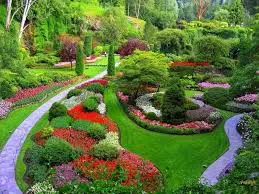
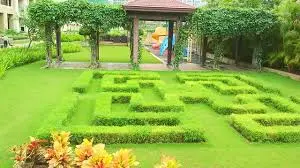
Garden Designing & Development – Premium Home Garden Makeovers, Landscape Designing & Outdoor Greenery Solutions by The Bloom Nursery in Amroha, Uttar Pradesh
According to the research team of ClipsTrust, the demand for professional garden designing and landscape development services has increased significantly across India, particularly in Uttar Pradesh, where homeowners and commercial establishments are investing more in creating beautiful, sustainable, and well-planned outdoor spaces. The Bloom Nursery, based in Amroha, Uttar Pradesh, has emerged as a trusted provider of comprehensive garden designing and development solutions that transform residential properties, commercial spaces, farmhouses, and institutional landscapes into thriving green environments.
Premium Garden Designing & Development Services
Understanding Garden Designing & Development as a Comprehensive Solution
Garden designing and development is far more than arranging plants in a space. It is a thoughtfully planned process that integrates landscape architecture, horticulture, aesthetic principles, and sustainable environmental practices to create outdoor spaces that are not only visually stunning but also functional, long-lasting, and ecologically responsible. The Bloom Nursery approaches every garden project as a unique opportunity to enhance property value, improve quality of life, and contribute to environmental sustainability.
Professional garden designing begins with understanding your space’s potential—its soil composition, sunlight exposure, drainage patterns, and microclimates. It involves selecting appropriate plant varieties that thrive in local conditions while achieving the desired aesthetic. The development phase includes soil preparation, plantation execution, irrigation system installation, hardscape element integration (pathways, borders, and structural features), and comprehensive maintenance planning to ensure your garden remains vibrant and healthy for years to come.
The Bloom Nursery recognizes that every garden tells a story. Whether it’s a compact balcony garden in an urban apartment, a sprawling farmhouse landscape in rural Uttar Pradesh, or a commercial outdoor space designed to impress clients and employees, the company’s expert team of landscape designers and horticulturists work collaboratively to bring visions to life while respecting budget constraints, environmental considerations, and the unique character of each property.
Why Professional Garden Designing & Development Matters
Investing in professional garden designing and development offers transformative benefits that extend far beyond aesthetic improvements. A well-designed garden enhances property value, provides a peaceful retreat from daily stress, creates sustainable outdoor living spaces, and supports local biodiversity. Without proper design, even the most expensive plants may struggle to survive due to poor soil conditions, incorrect placement relative to sunlight, inadequate irrigation, or structural issues that professionals identify immediately.
The Bloom Nursery’s garden designing and development approach ensures that every element—from the tallest shade tree to the smallest ground cover—serves a purpose within the overall landscape vision. This strategic thinking prevents costly mistakes, reduces long-term maintenance burdens, and creates gardens that become more beautiful and valuable with each passing season.
Complete Garden Designing & Development Range
Residential Garden Designing for Homes & Residences
The Bloom Nursery offers specialized residential garden designing services that transform home outdoor spaces into personal sanctuaries. The process begins with detailed consultations to understand your lifestyle, aesthetic preferences, family needs, and gardening goals. The team assesses your property’s unique characteristics—including soil type, sunlight patterns, water availability, and existing structures—to design a customized garden that complements your home’s architecture while maximizing the potential of available space.
Residential garden designing covers everything from small courtyard gardens and front-yard landscaping to sprawling backyard transformations. The Bloom Nursery creates designs that balance plant selection with hardscape elements, ensuring visual interest throughout seasons. Whether you prefer a tranquil Japanese-inspired garden, a vibrant flowering garden, a low-maintenance modern landscape, or a traditional Indian garden style, the team’s expertise in diverse design philosophies ensures your garden aligns perfectly with your vision.
Commercial Garden Development & Landscaping
Commercial garden development demands a different approach than residential projects. The Bloom Nursery’s commercial landscaping services are designed to create professional outdoor environments that enhance brand image, improve employee wellness, attract clients, and provide functional outdoor spaces for corporate facilities, retail establishments, hospitality venues, and institutional properties.
Commercial garden development by The Bloom Nursery focuses on durability, low maintenance, and year-round visual appeal. Projects often include entrance landscaping, corporate garden installations, parking area greenery, rooftop garden development for commercial buildings, and outdoor seating area enhancement. The team understands that commercial spaces require robust plant selections that withstand heavy use, seasonal variations, and urban environmental stresses while maintaining their premium appearance.
Landscape Planning & Architectural Layout
Professional landscape planning forms the foundation of successful garden designing and development projects. The Bloom Nursery’s landscape designers create detailed plans that serve as blueprints for your entire project. These plans include site surveys, soil analysis reports, plant placement diagrams, hardscape element specifications, irrigation system layouts, and maintenance protocols.
The landscape planning process considers functional zoning—designating areas for relaxation, entertainment, gardening, and circulation. Designers integrate vertical dimensions, creating layered landscapes with ground covers, shrubs, small trees, and canopy trees that provide visual depth and structural interest. The architectural layout ensures proper flow, optimal sunlight distribution for plants, appropriate drainage management, and thoughtful placement of pathways and focal points.
Lawn Development & Green Carpet Installation
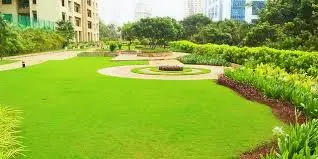
A healthy, verdant lawn serves as the foundation for many garden designs. The Bloom Nursery provides complete lawn development services, beginning with soil analysis and preparation. The team removes problematic soil, introduces nutrient-rich amendments, establishes proper drainage, and selects appropriate grass varieties for Uttar Pradesh’s climate and your property’s specific conditions.
Lawn installation options include traditional seeding, which provides excellent value for large areas, or sod installation, which creates an immediate green carpet effect. The Bloom Nursery’s experts ensure proper soil grading, mulching, initial watering, and care protocols to establish healthy, dense lawns that withstand foot traffic while requiring manageable maintenance. Specialized lawn care recommendations address seasonal challenges, pest management, and nutritional requirements specific to Indian climatic conditions.
Terrace & Balcony Garden Designing
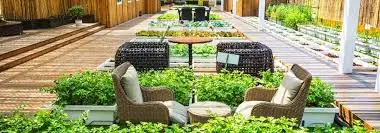
Urban living often limits outdoor space, making terrace and balcony gardens invaluable. The Bloom Nursery specializes in creating lush, functional gardens in these compact spaces through expert container gardening and strategic plant selection. Terrace garden designing includes waterproofing assessment, proper drainage systems, wind protection strategies, and appropriate weight distribution to ensure structural safety while creating beautiful outdoor environments.
Balcony gardens require careful attention to weight limitations, safety considerations, and exposure conditions. The Bloom Nursery’s designers create vertical planting solutions, tiered container arrangements, and specialized irrigation systems that maximize the greenery in limited spaces. From small herb gardens on modest balconies to sprawling terrace gardens on penthouses, the team delivers solutions that transform urban outdoor spaces into serene retreats.
Vertical Gardens & Living Walls
Vertical gardens represent cutting-edge garden designing technology that maximizes space while creating stunning visual features. The Bloom Nursery designs and installs living walls and vertical gardens that transform bare walls into vibrant vegetation displays. These installations improve air quality, provide sound insulation, reduce ambient temperature, and create striking architectural features that enhance property aesthetics.
Vertical garden systems include modular panel installations, pocket wall gardens, and climbing plant trellising. The Bloom Nursery ensures proper moisture distribution through integrated irrigation systems, selects appropriate plant varieties for vertical growth, and provides maintenance support to keep vertical gardens healthy and beautiful. These innovations are particularly valuable for urban spaces, commercial properties, and modern residential designs seeking contemporary landscape solutions.
Pathways, Borders & Garden Layout Design
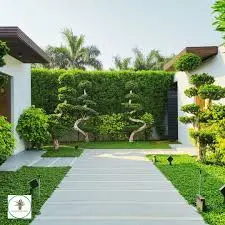
Garden structure and circulation patterns significantly impact both functionality and aesthetics. The Bloom Nursery designs thoughtfully planned pathways that guide visitors through gardens while creating distinct zones and focal points. Pathway materials include natural stone, pavers, gravel, mulch, or decorative aggregates selected to complement your garden’s overall design aesthetic.
Border plantings frame garden beds, define spaces, and create visual boundaries that organize the landscape. The team designs borders using varied plant heights, colors, and textures to create dynamic edges that complement garden features. Strategic layout design ensures proper sight lines, adequate circulation space, protection of delicate plantings, and integration of functional elements like seating areas and water features.
Soil Preparation & Bed Formation
Exceptional gardens begin with exceptional soil. The Bloom Nursery prioritizes comprehensive soil assessment and preparation, understanding that healthy soil is the foundation for vigorous plant growth. The team conducts soil testing to determine pH levels, nutrient composition, drainage characteristics, and potential amendments needed.
Soil preparation involves removing poor-quality soil, introducing organic matter and compost to enhance fertility and structure, incorporating amendments to adjust pH if necessary, and establishing proper bed formations with appropriate slopes for drainage. The company sources high-quality soil components including garden soil, compost, cocopeat, and organic amendments specific to plant requirements. Proper bed formation ensures plants receive optimal root development conditions while preventing water logging or excessive drainage that compromises plant health.
Plant Selection & Plantation Service
Selecting appropriate plants represents one of the most critical aspects of successful garden designing. The Bloom Nursery’s horticultural experts consider numerous factors including plant hardiness for Uttar Pradesh’s climate, water requirements, light preferences, mature size, maintenance needs, flowering seasons, and visual characteristics when recommending plant varieties.
The team sources healthy nursery stock from reputable suppliers, ensuring plants are disease-free, vigorous, and properly acclimated. Plantation service includes expert installation at proper depths and spacing, initial mulching, staking for tall plants if needed, and comprehensive aftercare guidance. The Bloom Nursery provides detailed care instructions for each plant, ensuring your new garden receives appropriate maintenance during the critical establishment phase.
Garden Décor & Aesthetic Planning
Beyond plants and hardscape, garden décor elements complete the aesthetic vision. The Bloom Nursery incorporates decorative features thoughtfully—selecting fountains, sculptures, garden lighting, seating areas, and architectural elements that enhance rather than clutter the landscape. Aesthetic planning ensures cohesive design where every element contributes to the overall ambiance.
Lighting design extends garden enjoyment into evening hours while creating atmospheric effects. Water features add movement, sound, and visual interest while supporting local biodiversity. Seating areas invite relaxation and allow appreciation of the garden’s beauty. All decorative elements are selected and positioned to create balanced, harmonious outdoor spaces that feel intentional and refined.
Irrigation System Setup & Installation
Proper irrigation is essential for garden health, particularly in Uttar Pradesh’s variable climate. The Bloom Nursery designs and installs customized irrigation systems appropriate to your garden’s size, plant composition, and water availability. System options include drip irrigation for precise water delivery to individual plants, soaker hoses for efficient bed watering, or traditional sprinkler systems for larger lawn areas.
The irrigation system installation includes water source connection, main line installation, zone setup based on plant water requirements, filter and pressure regulator installation, and timer configuration for automated watering. The Bloom Nursery ensures proper system testing before project completion, making necessary adjustments to achieve optimal water distribution. The company provides detailed operation and maintenance instructions, empowering you to manage your irrigation system effectively.
Seasonal Garden Redesign & Refreshing
Gardens evolve throughout the year, and The Bloom Nursery’s seasonal redesign services keep landscapes dynamic and vibrant. Spring garden transformations introduce fresh plantings and flowering displays. Summer designs maximize verdant foliage and cooling effects. Autumn gardens showcase warm colors and seasonal interest. Winter gardens feature evergreen structures and subtle textural elements.
Seasonal redesign services include seasonal plant rotations for continuous color, pruning and shaping to maintain design intent, mulch refreshing, soil amendment applications, and strategic additions that enhance seasonal beauty. These periodic refreshing services ensure your garden remains stunning throughout the year while addressing seasonal maintenance requirements.
Long-Term Garden Maintenance Plans
Beautiful gardens require ongoing care. The Bloom Nursery offers comprehensive maintenance plans customized to your garden’s specific needs and your time availability. Maintenance services include regular watering, pruning, weeding, mulch replenishment, pest and disease monitoring, soil amendment applications, and seasonal deep-cleaning tasks.
Professional maintenance ensures plants remain healthy, designs maintain aesthetic integrity, irrigation systems function properly, and emerging issues are addressed before becoming major problems. The Bloom Nursery’s maintenance team possesses the expertise to provide appropriate care for diverse plant selections while preserving the design vision your garden was created to achieve.
Eco-Friendly Landscaping Solutions
Environmental responsibility guides The Bloom Nursery’s approach to garden designing and development. The company integrates sustainable practices including selection of native and drought-tolerant plant varieties, organic soil amendments, water-efficient irrigation systems, natural pest management strategies, and reduced chemical inputs.
Eco-friendly landscaping reduces environmental impact while creating gardens that become increasingly resilient and self-sufficient over time. Native plants adapted to Uttar Pradesh’s climate require less supplemental water, fertilizer, and pest management. Permeable hardscape surfaces allow rainwater infiltration, reducing runoff and supporting groundwater recharge. Composting systems provide organic matter while reducing waste. These sustainable practices create beautiful gardens that respect environmental limits while providing lasting value.
Professional Landscape Planning & Horticulture Support
The Bloom Nursery’s landscape planning extends beyond visual design to incorporate horticultural expertise that ensures long-term garden success. The team’s understanding of plant biology, ecological relationships, and environmental factors enables creation of gardens that not only look beautiful initially but actually improve in health and beauty as they mature.
Horticulture-based planning considers plant succession—how the garden will evolve over seasons and years. Trees grow taller, shrubs mature, perennials establish deeper root systems, and groundcovers fill in spaces, creating increasingly layered and complex landscapes. The team plans for these changes, spacing plants appropriately and selecting varieties that will complement each other as they develop.
The Bloom Nursery’s horticultural support includes pest and disease identification and management, nutritional expertise to maintain soil fertility, pruning guidance for optimal plant structure, propagation services for plant multiplication, and ongoing consultation as your garden evolves. This comprehensive approach transforms gardens from static installations into living systems that thrive over decades.
Wide Range of Garden Makeover & Outdoor Greenery Solutions
From Concept to Completion: The Bloom Nursery’s Garden Makeover Process
The Bloom Nursery’s garden makeover services provide comprehensive solutions for transforming tired, neglected, or poorly planned gardens into stunning outdoor spaces. The process begins with honest assessment of existing conditions, identifying what works well and what requires change. The team consults extensively with clients to understand their vision, lifestyle needs, and practical constraints.
Garden makeover design considers whether existing plants should be retained, repositioned, or replaced. Large, healthy trees often form the framework for redesigned landscapes. Struggling plants are removed to make space for better-suited varieties. Lawn conditions are assessed and improved or completely refreshed. Hardscape elements are evaluated for functionality and aesthetic contribution.
The makeover implementation follows a logical sequence—major structural work first, then soil preparation, followed by planting, hardscape installation, and irrigation system setup. The Bloom Nursery’s experienced teams execute makeovers efficiently, minimizing disruption while delivering comprehensive transformations that feel complete and integrated.
Transformation Case Studies
Case Study 1: Residential Garden Transformation in Amroha
Initial Situation: A homeowner had inherited a large but poorly maintained garden with overgrown plants, dysfunctional soil, erratic watering, and no cohesive design. Water stagnation in certain areas caused plant disease and mosquito breeding.
Diagnosis: The assessment revealed compacted clay soil with poor drainage, inappropriate plant selection for the property’s microclimate, and a non-functional irrigation system that either over-watered or under-watered depending on zone.
Solution Recommended: The Bloom Nursery designed a complete landscape redesign incorporating proper drainage solutions, comprehensive soil amendment, selection of appropriate plant varieties for the property’s specific light and water conditions, and installation of a modern drip irrigation system with individual zone controls.
Final Transformation: The garden was completely revitalized with improved drainage, healthy plants that thrived without excessive maintenance, and a cohesive aesthetic that complemented the home’s architecture. Water usage decreased despite improved plant health, and the outdoor space became a cherished family retreat.
Case Study 2: Commercial Space Landscaping in Lucknow Region
Initial Situation: A corporate office building had a barren outdoor entrance that failed to create a welcoming first impression. The space was purely hardscape with no greenery, making it uninviting and contributing to the building’s harsh appearance.
Diagnosis: The assessment identified adequate space for landscaping, partial shade from adjacent structures, and moderate foot traffic. The primary challenges were heavy compacted soil, no existing irrigation infrastructure, and limited maintenance budget.
Solution Recommended: The Bloom Nursery designed tiered landscaping incorporating low-maintenance plant varieties, robust enough to withstand office foot traffic while remaining visually appealing. The design included automatic irrigation with minimal supervision requirements and strategic use of structural plants that required minimal pruning.
Final Transformation: The corporate entrance became an attractive, professional outdoor environment that enhanced brand perception while improving employee wellness. Visitors now experience an inviting entrance landscaping that creates a positive first impression. Maintenance costs proved lower than anticipated due to careful plant selection and system efficiency.
Case Study 3: Terrace Garden Creation in Delhi NCR
Initial Situation: An urban apartment resident had an unused rooftop terrace that was exposed, hot, and without any vegetation. The space felt wasted and the apartment lacked connection to nature despite modern amenities.
Diagnosis: The assessment confirmed structural capacity for garden installations, identified wind exposure as a significant factor, and evaluated sunlight patterns to determine appropriate plant varieties. Water access was confirmed as adequate for installed irrigation systems.
Solution Recommended: The Bloom Nursery designed a containerized terrace garden with wind-protection planting on north and west exposures. The design included a mix of plants—tall structural plants for background interest, medium plantings for layering, and trailing plants for vertical softening. A custom drip irrigation system ensured efficient watering despite exposure conditions.
Final Transformation: The terrace became a lush, private garden retreat providing cooling effects, air purification, and psychological benefits of nature connection. The garden’s success inspired the resident to engage more extensively with gardening, becoming an enthusiast who expanded plantings over time.
Soil Preparation, Lawn Development & Plantation Work
Expert Soil Preparation Protocols
Soil quality determines garden success more than any other factor. The Bloom Nursery approaches soil preparation with scientific rigor and practical understanding. The team begins with soil testing to establish baseline conditions—pH level, nutrient composition, organic matter content, and drainage characteristics. This testing informs all subsequent decisions about amendments and modifications.
Problematic soils—whether heavy clay, sandy, or nutrient-poor—are systematically improved. Clay-heavy soils are amended with organic matter and coarse material to improve drainage and aeration. Sandy soils receive organic matter and amendments to improve water retention and nutrient availability. All soils benefit from incorporation of quality compost that introduces beneficial microorganisms while improving structure.
The company sources premium amendments tailored to specific needs—aged compost from organic sources, cocopeat for improved water retention, organic fertilizers for sustainable nutrition, and specialized amendments for specific plant requirements. Garden bed formation ensures proper slope for drainage while creating defined planting areas that organize the landscape visually.
Lawn Development Excellence
Healthy lawns require more than simply planting grass. The Bloom Nursery’s lawn development process begins with soil assessment and preparation. Existing grass is evaluated—healthy areas are often retained and improved, while problematic sections are renovated or replaced entirely.
Soil preparation for lawns includes deep loosening to ensure root penetration, organic matter incorporation to improve fertility and water retention, and proper grading to ensure water drains appropriately without creating soggy areas. Grass variety selection considers Uttar Pradesh’s climate, including local temperature variations, monsoon patterns, and irrigation availability.
Installation methodology affects long-term success. Seeding offers economy for large areas and excellent root development but requires careful establishment. Sod installation creates immediate visual results. The Bloom Nursery selects the approach best suited to your timeline and budget. Aftercare during establishment—including proper watering, light traffic restrictions, and initial maintenance—ensures robust, dense lawns that become increasingly attractive over time.
Plant Sourcing & Quality Assurance
The Bloom Nursery works with reputable nurseries to source vigorous, disease-free plants suited to your garden’s conditions. The team carefully evaluates plant quality before acquisition, selecting specimens with strong root development, appropriate size for their age, and absence of pest or disease issues.
Plant selection balances aesthetic desires with horticultural appropriateness. Native and well-adapted species form the foundation of recommended plant palettes, supplemented by introduced varieties proven to thrive in Indian conditions. The team considers plant mature size, growth rate, water requirements, maintenance needs, seasonal characteristics, and ecological contributions when building diverse plant communities.
Professional Plantation Installation
Correct plantation technique significantly impacts plant establishment and long-term success. The Bloom Nursery’s teams follow scientifically proven protocols for each plant type. Trees receive appropriate planting depth, proper backfill material, and establishment pruning to encourage strong structure. Shrubs and perennials are spaced appropriately to allow mature development. Groundcovers are installed at density ensuring complete coverage at maturity.
Initial mulching protects soil, conserves moisture, moderates temperature, and suppresses weeds while plants establish. Staking tall plants prevents wind damage during establishment. Appropriate irrigation during the first growing season allows root system development while preventing water stress. The Bloom Nursery provides detailed aftercare instructions, empowering clients to support their new plantings through the critical establishment period.
Garden Decoration & Outdoor Aesthetic Elements
Cohesive Aesthetic Planning
Garden décor should enhance rather than overwhelm. The Bloom Nursery approaches decorative element selection strategically, ensuring each piece contributes to overall design unity. Color palettes, material selections, and stylistic themes guide choices so varied elements create cohesive, intentional outdoor environments rather than eclectic collections.
Decorative elements are positioned thoughtfully to create visual impact while allowing plants to develop. A water feature positioned as a focal point draws eyes and adds movement and sound. Sculpture or artistic elements create conversation pieces. Garden structures like pergolas provide shade while supporting climbing plants. Carefully placed benches invite relaxation while creating secondary focal points.
Lighting Design for Extended Garden Enjoyment
Professional lighting transforms gardens into usable outdoor spaces during evening hours while creating atmospheric effects. The Bloom Nursery designs lighting that balances functionality with aesthetics—providing adequate illumination for safe movement while creating mood through strategic highlighting of plants, architectural features, and water elements.
Lighting approaches include pathways lighting for safe circulation, uplighting to silhouette trees or accent features, spotlighting for focal points, ambient lighting for overall visibility, and accent lighting for decorative effects. Energy-efficient LED technology provides excellent light quality while minimizing electricity consumption. Professional installation ensures proper positioning, weatherproof connections, and appropriate brightness levels for different areas.
Water Features & Aquatic Elements
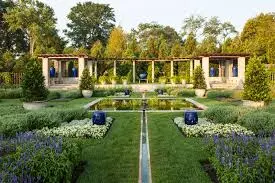
Water features add movement, sound, and visual interest while attracting wildlife. The Bloom Nursery designs water installations ranging from simple fountains to elaborate pond systems. Fountains provide elegant focal points and pleasing water sounds. Ponds create reflective surfaces, support aquatic plants, and attract birds and beneficial insects. Water channels add movement and create visual transitions through the garden.
Water feature design considers practical factors including water source adequacy, proper installation to prevent leakage, maintenance requirements, and integration with overall irrigation systems. The team ensures installations enhance rather than dominate landscapes, positioning them where they create maximum visual and auditory impact without overwhelming the garden’s plant-based beauty.
Seating & Outdoor Living Areas
Gardens should be experienced fully—not merely viewed from a distance. The Bloom Nursery incorporates seating areas and outdoor living spaces that invite engagement and relaxation. Placement of seating considers sightlines to attractive vistas, wind protection, shade during hot season, and relationship to focal points and plantings.
Hardscape materials for seating areas are selected to complement garden design—natural stone pavers for traditional gardens, contemporary materials for modern landscapes, or decorative aggregates for transitional designs. Pergolas and shade structures extend usability while supporting climbing plants. Dining or gathering areas become outdoor extensions of indoor living spaces, enabling year-round outdoor enjoyment.
Irrigation Systems & Water Management
Modern Irrigation Technology
Proper irrigation stands as essential foundation for garden success, particularly in Indian climates where seasonal variation demands flexible water management. The Bloom Nursery designs systems appropriate to your garden’s specific composition and water source availability, ensuring every plant receives adequate moisture without waste.
Drip irrigation systems deliver water directly to plant roots through emitters positioned at each plant’s base. This method maximizes water efficiency—often reducing water consumption by 40-60% compared to traditional watering—while improving plant health through consistent soil moisture and reduced leaf-wetting that promotes fungal disease. Drip systems require lower water pressure and can function with existing water sources or groundwater.
Soaker hoses provide efficient watering for bed plantings, releasing water gradually along their length. These systems work well for vegetable gardens, flower beds, and foundation plantings. Sprinkler systems remain appropriate for larger lawn areas where full-coverage watering is desired. The Bloom Nursery often designs hybrid systems combining different technologies to optimize efficiency across diverse plantings.
System Design & Installation Excellence
Irrigation system design begins with garden assessment—mapping plant locations, determining water requirements for different plantings, and evaluating water source capacity. The team calculates necessary flow rates, selects appropriate pipe sizes, and plans efficient routing minimizing pressure loss.
Installation follows planned layouts precisely, including water source connection with backflow prevention and filtration to protect system longevity. Main lines distribute water throughout gardens while regulators maintain appropriate pressure. Zone valves allow independent control of different garden areas with varying water requirements. Timers enable automatic scheduling, ensuring consistent watering regardless of family schedule or travel.
System testing precedes project completion—the team identifies any leaks, checks for adequate pressure throughout zones, and adjusts emitter positions to ensure proper coverage. Training ensures you understand system operation, adjustment procedures, and maintenance requirements. This thorough approach creates systems that operate reliably for many years with minimal intervention.
Water Conservation & Sustainable Management
Environmental responsibility guides irrigation practices. The Bloom Nursery designs systems prioritizing water efficiency without compromising plant health. Native and drought-tolerant plant selections reduce overall water needs. Proper soil preparation with organic matter improves water retention. Mulching reduces evaporation. Appropriate irrigation scheduling based on seasonal conditions and rainfall conserves water.
Advanced technologies including soil moisture sensors and weather-based irrigation controllers optimize water use by measuring actual soil conditions and adjusting watering based on recent rainfall. Smart irrigation systems integrate weather data, preventing unnecessary watering following rain while ensuring adequate moisture during drought conditions. These technologies provide substantial water savings while improving plant health through optimal moisture management.
Seasonal Maintenance & Garden Upkeep
Comprehensive Seasonal Management
Gardens require different care during different seasons. The Bloom Nursery’s seasonal maintenance services address specific needs of each period—spring rejuvenation, summer cooling and watering, autumn preparation, and winter protection—ensuring year-round garden health and beauty.
Spring maintenance includes initial garden assessment following winter dormancy, removal of winter damage, soil amendment applications, seasonal planting of warm-season plants, mulch refreshing, and pest monitoring as temperatures warm. These tasks awaken gardens from winter rest while preventing pest and disease issues before they establish.
Summer maintenance focuses on watering management, pest and disease monitoring, pruning for plant shape and flower encouragement, deadheading spent flowers to promote continued blooming, and weed management. The Bloom Nursery provides guidance on adjusting irrigation for peak heat periods while monitoring for stress symptoms that might indicate inadequate watering or unusual pest pressures.
Autumn maintenance includes preparation for winter dormancy—reducing fertilizer applications that encourage tender new growth vulnerable to cold, adjusting watering as temperatures drop, collecting fallen leaves that could harbor disease, and planting spring-blooming bulbs. The team also addresses any winter preparation needed for tender plants in your region.
Winter maintenance focuses on protection of tender plants, monitoring evergreen foliage for pest issues that emerge during dormancy, checking irrigation systems for freeze protection, and planning for spring activities. Even during dormant season, professional attention prevents problems while preparing gardens for spring rejuvenation.
Regular Maintenance Services
Beyond seasonal tasks, regular maintenance keeps gardens healthy. Weeding prevents competition for water and nutrients. Pruning maintains plant shape, encourages desired growth, and prevents disease. Mulch replenishment conserves moisture and moderates soil temperature. Regular monitoring identifies emerging pest or disease issues before becoming serious.
The Bloom Nursery offers customizable maintenance packages suited to your available time and preferred involvement level. Some clients enjoy hands-on gardening and request minimal professional intervention. Others prefer complete professional management. Maintenance schedules can be adjusted seasonally—more frequent during active growth periods, less frequent during dormancy.
Customer Awareness Programs & Gardening Workshops
Educational Initiatives
The Bloom Nursery believes informed gardeners make better decisions and achieve superior results. The company regularly conducts workshops and educational programs covering topics from soil preparation and plant selection to seasonal care and pest management. These programs empower residents of Uttar Pradesh to become knowledgeable gardeners who can maintain their landscapes effectively.
Workshop topics include proper watering techniques, organic pest management, seasonal garden tasks, composting and soil improvement, and understanding microclimates within your property. Specialized programs address specific interests—vegetable gardening, flowering gardens, low-maintenance landscaping, or native plant adoption.
Community Engagement
The Bloom Nursery engages actively with the gardening community through demonstrations, consultation sessions, and ongoing support. Local residents can visit the nursery to see plant varieties, discuss design ideas, and receive personalized recommendations. This accessible, community-oriented approach has established The Bloom Nursery as a trusted resource for garden guidance throughout Uttar Pradesh.
Eco-Friendly Garden Development Techniques
Sustainable Horticulture Practices
Environmental stewardship guides all of The Bloom Nursery’s operations. Native plant selection forms the foundation—these species adapted to Uttar Pradesh’s climate over centuries require minimal supplemental water, fertilizer, or pest management. Incorporating native plants creates gardens that feel part of the regional landscape while requiring less resource input.
Organic soil amendments replace synthetic fertilizers, supporting soil microorganism communities that provide natural nutrition to plants. Compost, aged manure, and plant-based amendments improve soil structure and fertility while reducing chemical inputs. This biological approach creates gardens that become progressively healthier and more self-sufficient.
Integrated pest management replaces toxic chemicals with cultural practices, beneficial insects, and targeted interventions only when necessary. This approach controls pests while preserving beneficial insects and maintaining ecosystem balance. Gardens managed this way develop natural pest management systems as beneficial insects establish.
Water-Efficient Design & Installation
Water conservation permeates The Bloom Nursery’s design approach. Drought-tolerant plant selection reduces water needs. Proper soil preparation with organic matter improves water retention. Mulching reduces evaporation. Efficient irrigation systems deliver water directly to plants with minimal waste. Combined, these strategies can reduce water consumption by 50% or more compared to conventional gardens while actually improving plant health.
Rainwater harvesting systems capture seasonal precipitation for irrigation use. Permeable hardscaping allows water infiltration rather than runoff. Properly designed gardens work with natural water cycles rather than fighting them—plants thrive with seasonal variation while groundwater recharge continues.
Biodiversity Support
Gardens designed by The Bloom Nursery become wildlife habitats supporting beneficial insects, birds, and other fauna. Native plants provide appropriate food sources and shelter. Diverse plantings at multiple heights create microhabitats. Water features support amphibians. Decomposing plant material feeds soil organisms. These living gardens become part of regional ecological networks, supporting biodiversity while reducing human intervention needs.
Durable, Sustainable & Long-Lasting Garden Designs
Creating Gardens That Appreciate With Time
The Bloom Nursery designs gardens intended to improve over years and decades, not merely survive. Long-term success requires understanding plant maturation, planning for environmental changes, and creating designs that become more beautiful as plants establish and develop.
Proper plant spacing prevents future overcrowding that forces damaging pruning. Strategic placement of shade trees anticipates future cooling benefits. Soil improvement creates increasingly fertile conditions as organic matter accumulates. These thoughtful decisions create gardens that require decreasing intervention over time while delivering increasing beauty and environmental benefit.
Material Durability & Responsible Selection
Hardscape materials are selected for longevity, environmental responsibility, and appropriate maintenance requirements. Natural stone weathers beautifully while lasting decades. Quality pavers and edging materials provide structure that remains functional through seasons of use. Sustainable material sourcing prioritizes locally available options that reduce transportation impacts.
Regular maintenance extends material life. The Bloom Nursery provides guidance on appropriate cleaning, sealing where beneficial, and repair of minor damage before it becomes structural compromise. Quality construction and thoughtful material selection combine to create garden infrastructure lasting decades.
Design Flexibility & Adaptability
Successful garden designs accommodate change—whether expanding plantings, modifying irrigation, adjusting maintenance, or evolving aesthetic preferences. The Bloom Nursery designs frameworks flexible enough to accommodate future modifications while maintaining overall coherence. Plant communities can shift without compromising design intent. Hardscape elements can be added or modified as preferences evolve.
This adaptability allows gardens to evolve with residents’ changing needs and desires, remaining relevant and beautiful across seasons of life change. Gardens become cherished long-term investments rather than static installations.
The Bloom Nursery’s Service Categories
Service 1: Custom Residential Garden Designing
Personalized garden design consultations beginning with thorough property assessment and vision alignment, resulting in detailed design plans integrating aesthetic preferences with horticultural appropriateness.
Service 2: Commercial & Institutional Landscaping
Professional landscaping for corporate offices, retail spaces, educational institutions, and hospitality venues—creating impressive outdoor environments that enhance brand perception and employee wellness.
Service 3: Terrace & Balcony Garden Specialization
Expert containerized and vertical gardening solutions for urban properties, utilizing space efficiently while creating lush, attractive rooftop and balcony environments.
Service 4: Landscape Architecture & Master Planning
Comprehensive landscape design for large properties, farmhouses, and institutional grounds, involving detailed site analysis, master planning, and phased implementation across extended timescales.
Service 5: Lawn Installation & Renovation
Complete lawn development services including soil preparation, variety selection, installation via seed or sod, and specialized care ensuring healthy, dense turf grass.
Service 6: Vertical Garden & Living Wall Systems
Installation of innovative vertical gardening systems creating stunning green wall features in limited spaces—appropriate for urban environments, commercial buildings, and modern residences.
Service 7: Hardscape Design & Installation
Design and installation of pathways, borders, patios, pergolas, and structural elements that provide framework for planting while serving functional purposes.
Service 8: Irrigation System Design & Installation
Professional irrigation system design and installation appropriate to garden size and plant composition, including drip systems, sprinklers, soaker hoses, and automation components.
Service 9: Soil Testing & Amendment Services
Comprehensive soil analysis and improvement services preparing optimal growing conditions for successful plant establishment and long-term garden health.
Service 10: Plant Selection & Sourcing
Expert horticultural consultation guiding plant variety selection appropriate to your climate, water availability, and aesthetic preferences—ensuring long-term success.
Service 11: Professional Garden Installation & Planting
Skilled installation of plants, hardscapes, and features following design specifications and horticultural best practices ensuring proper establishment.
Service 12: Garden Décor & Aesthetic Enhancement
Thoughtful integration of decorative elements—fountains, sculpture, lighting, seating areas—that enhance garden beauty without overwhelming plant-focused landscapes.
Service 13: Seasonal Garden Maintenance & Care
Comprehensive maintenance packages addressing seasonal garden needs, ensuring year-round health and beauty with flexible schedules appropriate to your involvement preferences.
Service 14: Pest Management & Plant Health Services
Integrated pest management and plant health monitoring preventing disease and pest issues while minimizing chemical inputs—creating healthy, balanced ecosystems.
Service 15: Garden Consultation & Expert Guidance
Ongoing consultation services providing horticultural expertise, design advice, and problem-solving throughout your garden journey.
Comparison Table: Garden Designing & Development by The Bloom Nursery vs Other Providers
Aspect | The Bloom Nursery | Typical Competitors |
Creativity & Design Quality | Custom designs reflecting individual preferences; experienced landscape architects creating unique, personalized spaces; original concepts tailored to specific properties | Template-based designs; limited customization; designs that appear similar across multiple properties |
Durability of Landscape Work | Premium material selection; proper installation following best practices; structural designs lasting decades; attention to long-term durability over quick completion | Budget materials selected for cost rather than longevity; installation sometimes cutting corners; designs requiring major renovation within 5-10 years |
Plant Selection Expertise | Horticultural expertise ensuring plants thrive in Uttar Pradesh conditions; native species prioritized; diverse selections creating resilient ecosystems | Limited botanical knowledge; focus on popular plants regardless of appropriateness; designs sometimes struggling after establishment |
Eco-Friendly Solutions | Sustainability integrated throughout—native plants, organic amendments, water-efficient systems, biodiversity support; environmental responsibility guiding all decisions | Eco-friendly treated as premium feature; sometimes superficial integration of green elements; high chemical input despite green claims |
Customer Guidance & Support | Comprehensive ongoing consultation; educational programs; accessibility for design discussions; collaborative approach respecting client vision | Limited post-installation support; minimal design collaboration; transactional rather than relationship-based engagement |
Long-Term Garden Sustainability | Gardens designed for long-term improvement; diminishing maintenance needs over time; increasing beauty and ecological value as plants mature | Gardens requiring constant intervention; declining appeal without expensive maintenance; designs becoming overgrown or stressed |
Service Range | Comprehensive end-to-end services from concept through ongoing maintenance; ability to handle projects of any scale | Limited service scope; typically design-only or installation-only; coordination among multiple vendors sometimes necessary |
Professional Expertise | Landscape architects, horticulturists, and installation specialists with substantial experience; current knowledge of techniques and materials | Variable expertise; sometimes relying on general contractors without landscape specialization |
Communication & Transparency | Clear design communication through detailed plans; honest assessment of realistic timelines and budgets; transparent costing | Vague project descriptions; sometimes pressure to decide quickly; surprise costs as projects progress |
PAN-India Capability | Experienced serving diverse Indian climates; understanding region-specific challenges; established support network across Uttar Pradesh and beyond | Often limited to local geographic area; experience primarily within single region |
Pros & Cons of Choosing The Bloom Nursery for Garden Designing & Development
Advantages of The Bloom Nursery’s Services
Comprehensive Service Integration – From initial design concept through ongoing maintenance, The Bloom Nursery provides integrated services eliminating coordination among multiple vendors.
Horticultural Expertise – Landscape architects and horticulturists with deep knowledge ensure plant selections thrive while designs remain beautiful long-term.
Customization & Personal Attention – Designs reflect individual preferences and property characteristics rather than template approaches applied universally.
Long-Term Value – Initial investment in professional design and quality installation reduces long-term maintenance costs while increasing property value.
Sustainability Focus – Environmental responsibility guides all decisions, creating gardens requiring progressively less input while supporting ecosystem health.
Aesthetic Excellence – Gardens created by The Bloom Nursery are beautiful upon completion and become increasingly attractive as plants establish and mature.
PAN-India Support – Experience across diverse Indian climates and established support networks enable service delivery throughout Uttar Pradesh and nationally.
Educational Programs – Workshops and consultations empower clients to maintain gardens effectively while deepening appreciation for their outdoor spaces.
Problem-Solving Expertise – Complex challenges—poor soil conditions, difficult microclimates, structural limitations—are transformed into design advantages.
Relationship-Based Approach – Collaborative engagement respecting client vision while leveraging professional expertise creates satisfaction beyond transactional interactions.
Considerations & Realistic Expectations
Professional Services Premium – Quality design and skilled installation cost more than budget alternatives, justified by longevity and superior results.
Timeline Requirements – Significant projects require adequate time for design development, material sourcing, and proper installation—rushed timelines compromise quality.
Maintenance Commitment – Even professionally designed gardens require some ongoing care to maintain optimal appearance; complete neglect eventually shows regardless of initial quality.
Budget Clarity – Establishing clear budgets early ensures design and specifications remain aligned with financial parameters throughout projects.
Learning Curve – Some clients prefer hands-on involvement requiring initial learning about plant care, irrigation management, and garden maintenance; The Bloom Nursery provides education supporting this engagement.
Environmental Variations – Uttar Pradesh’s climate variation means some plant selections struggle in particularly challenging years; professional guidance helps manage expectations realistically.
ClipsTrust Analysis & Expert Insight
According to comprehensive analysis by the ClipsTrust research team, professional garden designing and landscaping represents one of the highest-value home improvements available, combining aesthetic enhancement, property value increase, environmental benefits, and quality-of-life improvement. The Bloom Nursery’s comprehensive approach to garden designing and development—integrating horticultural expertise, sustainable practices, and long-term vision—places the company among India’s most sophisticated landscaping service providers.
The research team identified several factors distinguishing The Bloom Nursery’s approach from typical garden services. First, the company’s emphasis on horticulture ensures recommendations succeed rather than merely appearing attractive initially. Second, sustainability integration throughout projects creates gardens improving with time rather than degrading. Third, comprehensive service integration from design through ongoing maintenance eliminates common frustrations with multi-vendor projects. Fourth, educational programs empower clients to maintain their gardens effectively, enhancing satisfaction and long-term results.
The ClipsTrust analysis found that homeowners and commercial property owners investing in professional garden designing with The Bloom Nursery typically report high satisfaction across multiple dimensions: aesthetic pleasure from beautifully designed spaces, reduced maintenance burden through professional management, property value improvement from enhanced outdoor appeal, and environmental satisfaction from sustainable practices supporting local ecosystems. These multi-dimensional benefits justify professional investment while delivering returns across years and decades.
ClipsTrust Tips & Expert Recommendations
Soil Preparation: Foundation for Garden Success
Tip 1: Test Before Amending – Professional soil testing prevents expensive guesswork about amendment needs. The Bloom Nursery’s soil testing identifies specific deficiencies and appropriate remediation, optimizing amendment selection and quantity.
Tip 2: Organic Matter is Essential – Compost and aged manure dramatically improve soil structure, fertility, and water retention. Most Uttar Pradesh soils benefit from substantial organic matter incorporation—applying 3-4 inches of quality compost is not excessive.
Tip 3: Consider Local Soil Challenges – Some areas have heavy clay requiring sand and organic matter for improvement. Others have sandy soils needing organic matter for water retention. Understanding your specific conditions guides appropriate amendments.
Selecting Plants for Indian Climate Success
Tip 4: Native Species Offer Reliability – Plants native to Uttar Pradesh have adapted to regional climate, water availability, and soil conditions over centuries. They require minimal supplemental care while supporting local wildlife. The Bloom Nursery prioritizes native species for foundation plantings.
Tip 5: Understand Microclimates – Different areas of your property receive different sun exposure, wind, and water availability. Selecting appropriate plants for each microclimate—rather than forcing uniform plantings—creates thriving, beautiful gardens. The Bloom Nursery’s design process addresses these variations strategically.
Tip 6: Balance Seasonality – Gardens can provide year-round interest when plant selection includes spring bloomers, summer foliage, autumn color, and winter structural interest. Thoughtful variety selection creates gardens remaining beautiful throughout seasonal cycles.
Irrigation System Best Practices
Tip 7: Design for Efficiency – Grouping plants with similar water requirements into zones enables independent watering adjustment. Drip irrigation delivers water directly to roots, reducing waste compared to overhead sprinklers. Proper system design saves water while improving plant health.
Tip 8: Automate Appropriately – Timers ensure consistent watering regardless of family schedule or travel. Smart controllers adjusting schedules based on weather or soil moisture optimize watering without requiring daily attention.
Tip 9: Maintain Regularly – Cleaning filters, checking emitter operation, and inspecting connections maintains system longevity and efficiency. Annual maintenance before growing season prevents mid-season failures.
Seasonal Garden Maintenance Wisdom
Tip 10: Spring Attention Prevents Summer Problems – Addressing pest issues, disease monitoring, and mulch refreshing in spring prevents major problems during summer growth period. Spring pruning encourages beneficial structure while removing winter damage.
Tip 11: Summer Requires Vigilance – Heat stress and pest proliferation characterize summer. Adequate watering, pest monitoring, and deadheading spent flowers maintain plant health and continuous blooming.
Tip 12: Autumn Preparation Eases Spring – Reducing fertilizer applications preventing tender growth vulnerable to cold, adjusting irrigation for declining temperatures, and planting spring bulbs in autumn ensure smooth spring transitions.
Creating Sustainable, Low-Maintenance Landscapes
Tip 13: Mulch Conserves Water & Suppresses Weeds – Organic mulch moderates soil temperature, prevents moisture evaporation, suppresses weed germination, and gradually introduces organic matter as it decomposes. Three inches of quality mulch is optimal.
Tip 14: Diverse Plantings Support Natural Pest Management – Gardens with diverse plant community and associated beneficial insects develop natural pest management. Over-reliance on monoculture plantings invites pest outbreaks and requires intervention.
Tip 15: Right Plant, Right Place Reduces Maintenance – Selecting plants appropriate to light, water, and soil conditions at each location eliminates constant struggle against environmental misalignment. Thriving plants require less management than struggling ones.
Common Garden Issues & Professional Solutions
Issue 1: Unhealthy Plant Growth & Performance
Symptom: Plants appearing stressed despite watering, with yellowing leaves, stunted growth, or leaf drop.
Common Causes: Poor soil fertility, inadequate drainage causing waterlogging, inappropriate light conditions, pest or disease infestation, or inconsistent watering.
The Bloom Nursery Solution: Comprehensive diagnosis identifying root cause through soil testing, light assessment, and plant inspection. Solutions might include soil amendment for fertility improvement, drainage correction if waterlogging is identified, relocation if light misalignment exists, integrated pest management if insects are responsible, or irrigation adjustment if watering patterns are inconsistent.
Issue 2: Incorrect Plant Placement & Design Integration
Symptom: Plants appearing out of place within landscape, not complementing overall aesthetic, or maturing into sizes inappropriate for their location.
Common Causes: Selection without considering mature size, placement without understanding light requirements, or design not cohesively integrating plants within overall landscape vision.
The Bloom Nursery Solution: Redesign assessment identifying which plants serve the design well and which require relocation or replacement. Proper spacing ensures plants develop appropriately without overcrowding. Strategic repositioning or removal of mismatched specimens allows design cohesion.
Issue 3: Soil Problems Limiting Plant Success
Symptom: Consistent plant struggle despite appropriate variety selection and adequate watering; poor growth despite reasonable conditions.
Common Causes: Heavy clay preventing root penetration and causing waterlogging; sandy soil draining too rapidly and losing nutrients; nutrient deficiency; pH imbalance; or contamination.
The Bloom Nursery Solution: Professional soil testing identifying specific problems, followed by targeted amendment. Clay improvement through organic matter and coarse material additions; sandy soil remediation through organic matter and water retention improvement; nutrient supplementation through compost or fertilizer; pH adjustment through appropriate amendments; contamination identification and remediation.
Issue 4: Water Mismanagement – Both Over & Under-Watering
Symptom: Plants appearing stressed despite watering efforts; some areas of garden receiving excess water while others remain dry; inconsistent moisture causing problems.
Common Causes: Irrigation system malfunction or poor design; inappropriate watering schedule; root zone moisture monitoring absent; runoff preventing water infiltration; or system design not matching plant requirements.
The Bloom Nursery Solution: Irrigation system assessment identifying problems—leaks, inadequate pressure, poor emitter positioning, or inappropriate scheduling. System repair or redesign. Soil moisture monitoring training and/or sensor installation for precise watering. Schedule adjustment based on seasonal conditions and rainfall.
Issue 5: Lack of Structural Design & Organization
Symptom: Garden appearing disorganized despite adequate plants; lacking clear focal points; movement through space feeling purposeless; aesthetic confusion despite individual attractive elements.
Common Causes: Design developed without coherent vision; plantings added over time without overall plan; lack of hardscape structure organizing space; unclear circulation patterns; or absent focal points directing attention.
The Bloom Nursery Solution: Comprehensive redesign introducing structural elements—pathways organizing circulation, borders defining plantings, pergolas providing vertical structure, hardscape focal points drawing attention, or garden zones creating distinct areas with purpose. Cohesive aesthetic creating unified experience despite diverse elements.
Issue 6: Poor Plant Survival & Establishment Failure
Symptom: Newly planted specimens struggling to establish; plants declining after initial period despite apparent adequate care; death of plantings that should thrive.
Common Causes: Improper planting technique causing root exposure or inadequate backfill contact; inconsistent watering during establishment period; root bound stock from nursery; soil incompatibility; or environmental stress from exposure or shade.
The Bloom Nursery Solution: Proper planting technique ensuring good root-soil contact and appropriate planting depth; consistent irrigation during 6-12 month establishment period; soil amendment for compatibility; transplant to more appropriate location if environmental stress exists; replacement of unsuccessful specimens with more resilient alternatives; comprehensive aftercare guidance.
Expert Recommendations for Different Garden Types
Best Designs for Small Gardens
Strategy: Maximize vertical space through layered planting, multi-functional elements, and careful plant selection. Employ space-saving techniques like espalier training and container gardening. Create focal points directing attention, making spaces feel larger through sight line management. Select plants with multiple seasons of interest requiring less rotation. Hardscape should minimize space consumption while serving purposes.
The Bloom Nursery’s Small Garden Expertise: Designing lush, beautiful gardens in limited spaces requires particular skill. The company’s experience with terraces, balconies, and compact residential gardens enables creation of surprisingly generous-feeling gardens through strategic planting and design.
Best Designs for Medium Gardens
Strategy: Balance diverse plantings with adequate space for each to develop fully. Incorporate multiple zones—perhaps seating area, planting beds, lawn space, and water feature—creating variety within coherent design. Establish clear circulation pathways connecting areas naturally. Create both intimate planting beds and open areas for varied experiences.
The Bloom Nursery’s Medium Garden Expertise: The company’s standard residential designs typically work with medium-sized gardens, creating sophisticated landscapes with multiple functional and aesthetic areas.
Best Designs for Large Gardens
Strategy: Embrace ambitious scope—large shade trees creating forest-like canopy, extensive lawn areas, multiple garden rooms serving different purposes, ponds, pergolas, and diverse planting communities. Establish clear hierarchies with primary focal points and secondary interesting areas. Ensure adequate circulation managing scale without feeling overwhelming.
The Bloom Nursery’s Large Garden Expertise: The company’s landscape architecture services excel with large properties, creating comprehensive master plans for farmhouses, estates, and institutional grounds.
Choosing Appropriate Plants for Long-Term Success
Key Principles: - Select native species forming garden foundation - Choose adapted varieties from allied regions for diversity - Balance deciduous and evergreen for year-round structure - Incorporate multiple layers—ground covers, shrubs, small trees, canopy trees - Consider seasonal interest—spring flowers, summer foliage, autumn color, winter structure - Evaluate maintenance requirements honestly, ensuring commitments realistic
The Bloom Nursery’s Plant Selection Process: The company’s horticultural expertise ensures recommendations succeed in your specific conditions while creating beautiful, ecologically beneficial gardens.
Essentials for Long-Lasting, Healthy Gardens
1. Excellent Soil Foundation – Proper soil preparation and ongoing amendment creates conditions supporting plant health
2. Appropriate Plant Selection – Native and adapted species thrive with minimal intervention
3. Professional Irrigation – Well-designed systems deliver water efficiently and consistently
4. Structural Design – Proper spacing, hardscape elements, and organization support long-term beauty
5. Regular Maintenance – Consistent care prevents small problems from becoming major issues
6. Seasonal Attention – Address different seasonal needs appropriately
7. Long-Term Vision – Design considering how gardens develop over years and decades
Sustainable Landscaping Tips
1. Prioritize Native Plants – Species adapted to regional conditions require minimal supplemental water or fertilizer
2. Minimize Turf Area – Lawns consume resources; alternatives provide greater ecological value
3. Embrace Biodiversity – Diverse plantings support beneficial insects and wildlife while reducing pest problems
4. Conserve Water – Efficient irrigation, soil improvement, mulching, and plant selection combine for substantial conservation
5. Reduce Chemical Inputs – Organic amendments and integrated pest management replace synthetic inputs
6. Recycle & Compost – On-site organic matter management reduces external input needs
7. Support Local Ecosystems – Gardens can provide habitat, food, and shelter supporting regional wildlife
Why Professional Garden Designing Benefits Your Property & Quality of Life
Importance of Garden Designing for Property Value
Professional garden designing significantly enhances property value. Beautiful landscapes create positive first impressions, increase curb appeal, provide outdoor living space, improve energy efficiency through shade and wind protection, and demonstrate property care and maintenance. Buyers recognize quality landscaping and value the established plantings and systems professional designers create. Studies consistently show that landscape improvements provide among the highest returns of any home investment category.
How Good Design Improves Plant Health & Longevity
Professional design ensures plants thrive through appropriate species selection, proper spacing, optimal positioning relative to light and water, adequate soil preparation, and strategic hardscape and structural elements supporting growth. Well-designed gardens require progressively less intervention as plants establish and mature—thriving specimens need less water, fertilizer, pest management, and pruning than struggling plants fighting environmental misalignment. Beautiful appearance and plant health reinforce each other in professionally designed gardens.
Long-Term Benefits of Professional Garden Development
Benefits extend far beyond initial aesthetic enhancement. Professionally developed gardens appreciate over time as shade trees mature, soil improves, and plant communities establish. Quality installation and material selection create infrastructure lasting decades with appropriate maintenance. Reduced maintenance requirements as plants establish decrease long-term costs despite higher initial investment. Environmental benefits including water conservation, wildlife support, and carbon sequestration accumulate over time. Psychological benefits of contact with nature and beautiful outdoor space provide ongoing quality-of-life improvement throughout years of enjoyment.
Expert Quotations & Professional Perspectives
From Horticultural Specialists
“Native plants form the foundation of sustainable gardens. By selecting species adapted to regional climate and soil conditions, gardeners eliminate constant struggle against environmental misalignment. These plants establish more readily, require less supplemental water and fertilizer, and support local wildlife while providing genuine ecological benefits. Professional gardens increasingly prioritize native species, recognizing that sustainability emerges from working with nature rather than fighting it.”
— Horticulture Specialist, Advanced Garden Design
From Landscape Design Experts
“Successful landscape design balances aesthetic vision with horticultural reality. The most beautiful design disappoints if plant selections cannot thrive in actual site conditions. Exceptional design emerges from deep understanding of both artistic principles and plant biology—creating spaces that look beautiful while supporting plant health and longevity. This integration separates amateur efforts from professional design.”
— Landscape Architect, Contemporary Garden Design Institute
From The Bloom Nursery Representatives
“Every garden tells a story unique to the people it belongs to and the place it occupies. Our approach honors individual vision while leveraging professional expertise to translate dreams into reality. We believe gardens should improve over time—becoming more beautiful, more ecologically valuable, and requiring less intervention as plants establish. This long-term perspective guides every recommendation and decision.”
— Garden Design Director, The Bloom Nursery
“Soil quality determines garden success more than any other factor. Years of experience have taught us that gardens struggling despite apparent adequate care almost always have soil problems as root cause. Professional soil assessment and improvement prevents expensive mistakes while establishing foundation for genuine long-term success. We never underestimate soil preparation importance.”
— Horticulturist & Soil Specialist, The Bloom Nursery
Conclusion: Transform Your Outdoor Space Into a Thriving Garden
Garden designing and development represents far more than aesthetic enhancement—it encompasses a comprehensive approach to creating beautiful, functional, sustainable outdoor spaces that improve quality of life while increasing property value. Whether you dream of transforming a neglected yard into a thriving garden, creating your first functional landscape, or developing a comprehensive master plan for extensive property, professional garden designing provides expertise, efficiency, and results that exceed DIY efforts.
The Bloom Nursery’s comprehensive garden designing and development services address every aspect of landscape transformation—from initial design consultation through ongoing maintenance support. With deep horticultural knowledge, design expertise, and commitment to sustainable practices, the company transforms properties across Uttar Pradesh and throughout India. The team’s approach balances your individual vision with professional expertise, creating gardens that are beautiful from project completion and become increasingly valuable and beautiful over years and decades.
Professional garden designing and development is not luxury—it is investment in property value, environmental contribution, and quality-of-life enhancement. The Bloom Nursery’s proven track record of successful transformations, satisfied customers, and thriving gardens demonstrates the value of choosing experienced professionals for your landscape dreams.
Contact The Bloom Nursery today to discuss your garden designing and development goals. Whether through initial consultation, design review, or comprehensive project development, the team stands ready to transform your outdoor space into the beautiful, thriving garden you deserve.
Frequently Asked Questions About Garden Designing & Development
Q1: How much time does professional garden designing take from initial consultation to project completion?
Answer: Timelines vary based on project scope. Initial consultation and site analysis typically require 1-2 visits. Design development usually takes 2-4 weeks depending on complexity. Material sourcing varies with seasonal availability. Installation timeline depends on project size—small residential projects complete within 2-4 weeks; larger projects may require 2-3 months or more. The Bloom Nursery provides realistic timelines for specific projects during initial consultation, ensuring adequate time for quality work rather than rushed completion.
Q2: Should I remove my existing garden completely for a garden makeover, or can elements be retained?
Answer: Assessment determines what deserves retention and what requires replacement. Healthy, mature trees often form valuable framework for redesigned landscapes. Well-established shrubs or groundcovers may be relocated or retained depending on design. Poor performers or disease-infected plants warrant removal. The Bloom Nursery’s makeover process maximizes value from existing features while making necessary changes for improved design and health. Some retained elements combined with thoughtful new additions creates evolutionary transformation rather than complete replacement.
Q3: How do I select appropriate plants for my specific garden conditions?
Answer: Professional plant selection begins with understanding your site—light exposure (full sun, partial shade, full shade), soil type and drainage, water availability, temperature extremes, and exposure to wind. The Bloom Nursery’s horticultural team evaluates these factors, recommends appropriate varieties, and sources vigorous specimens suited to your conditions. Rather than experimenting with inappropriate plants, professional guidance ensures selections thrive while creating beautiful, cohesive landscapes.
Q4: What is the best approach for soil preparation in existing gardens?
Answer: Professional soil testing identifies specific conditions and appropriate amendments. Most gardens benefit from organic matter incorporation improving fertility, structure, and water retention. Clay soils need organic matter and coarse material for drainage improvement. Sandy soils need organic matter for water retention. Rather than blindly adding amendments, testing-based approach ensures targeted improvements addressing actual deficiencies. The Bloom Nursery’s soil preparation expertise prevents wasting money on unnecessary amendments while ensuring adequate improvement.
Q5: How should I water my newly planted garden during the establishment period?
Answer: Consistent moisture during the first growing season supports root development without waterlogging causing root rot. Newly planted trees and shrubs typically need supplemental water weekly during growing season, more frequently during heat waves. Proper soil preparation improving water retention reduces supplemental watering frequency. Mulching conserves moisture while moderating temperature. The Bloom Nursery provides specific irrigation guidance for your plantings and conditions, ensuring successful establishment.
Q6: What are the specific benefits of professional irrigation system installation?
Answer: Professional systems deliver water efficiently to plant roots through drip lines or soaker hoses, reducing water consumption 40-60% compared to overhead watering. Timers automate scheduling, ensuring consistent watering despite owner schedule or travel. Zoning allows independent control of areas with different water requirements. Professional installation prevents leaks, ensures adequate pressure throughout zones, and positions emitters for optimal delivery. Systems properly installed function reliably for years with minimal maintenance.
Q7: How can I create a low-maintenance garden requiring minimal ongoing care?
Answer: Native plant selection forms the foundation—species adapted to your climate require minimal supplemental water, fertilizer, or pest management. Adequate soil preparation supporting plant health reduces intervention needs. Proper plant spacing ensures development without overcrowding. Mulching suppresses weeds and conserves moisture. Efficient irrigation reduces daily watering burden. Strategic hardscape design organizes space while reducing lawn area requiring regular mowing. The Bloom Nursery designs gardens requiring progressively less intervention as plants establish.
Q8: What is the difference between balcony gardens and terrace gardens?
Answer: Balcony gardens typically utilize containers due to space limitations and weight restrictions. Designs emphasize vertical space, trailing plants, and varied height containers creating lush effects in compact areas. Terrace gardens often allow in-ground or raised bed planting with greater plant size potential, creating more substantial gardens. Wind exposure characteristics differ—balconies may receive stronger wind requiring protection; terraces may offer sun exposure advantages. The Bloom Nursery’s expertise addresses specific conditions of each space type.
Q9: How can vertical gardens benefit my property, and are they suitable for all climates?
Answer: Vertical gardens conserve ground space—particularly valuable in urban environments. They improve air quality, reduce noise pollution, provide insulation, and create striking visual features. Living wall systems work well in most climates through appropriate plant selection and irrigation design. Modular systems allow customization to fit available space. The Bloom Nursery designs vertical systems suitable to your climate, light conditions, and aesthetic preferences.
Q10: What is the ideal mulch for my garden, and how often should it be refreshed?
Answer: Organic mulches (wood chips, compost, aged bark) provide greatest benefits—decomposing gradually to improve soil. Mulch depth of 3 inches is optimal—sufficient for weed suppression and moisture conservation without smothering plants. Refreshing annually in spring adds organic matter while replenishing surface mulch lost through decomposition. The Bloom Nursery guides mulch selection and maintenance ensuring optimal results.
Q11: How does professional garden designing increase property value?
Answer: Beautiful landscapes create positive first impressions, increase curb appeal, provide functional outdoor living space, demonstrate property care, and improve energy efficiency through strategic shade and wind protection. Professional design ensures plantings thrive and appreciate over time. Quality hardscape and irrigation systems represent lasting improvements. Buyers recognize and value professionally designed landscapes. Studies show landscape improvements provide returns comparable to kitchen or bath renovations.
Q12: What should I expect during the initial garden design consultation?
Answer: Consultations include site assessment—evaluating light exposure, soil conditions, water availability, existing features, and property characteristics. Detailed discussion explores aesthetic preferences, functional needs, maintenance preferences, and budget parameters. Photography and measurements establish baseline for design development. The consultation process ensures design recommendations align with your vision, lifestyle, and practical constraints. The Bloom Nursery consultations are thorough, taking adequate time to develop shared understanding before design phase begins.
Q13: How can I transition my existing garden toward more sustainable practices?
Answer: Begin with native plant introduction—integrating species adapted to your climate. Implement organic soil amendments replacing synthetic fertilizers. Convert to efficient irrigation reducing water consumption. Reduce lawn area through diverse plantings. Adopt integrated pest management replacing chemical pesticides. Establish composting systems recycling organic material. Gradual transitions allow phased implementation. The Bloom Nursery’s expertise guides sustainable transitions appropriate to your specific garden and situation.
Q14: What pest management strategies does The Bloom Nursery recommend?
Answer: Integrated pest management prioritizes cultural practices—proper plant selection, spacing ensuring air circulation, sanitation removing problem-harboring debris, and diverse plantings supporting beneficial insects. Regular monitoring allows early intervention before problems become severe. Least-toxic approaches including insecticidal soaps and neem oil precede more aggressive treatments if necessary. Chemical pesticides represent last resort when other approaches prove inadequate. This philosophy maintains ecosystem balance while managing problem organisms.
Q15: How can I maintain my professionally designed garden long-term?
Answer: Regular seasonal maintenance addresses changing needs—spring rejuvenation, summer watering and pest management, autumn preparation, winter protection. Periodic deep maintenance—pruning, mulch refreshing, soil amendment—sustains garden health. The Bloom Nursery offers maintenance packages addressing seasonal needs with flexibility to adjust for your involvement preferences. Professional guidance ensures you understand appropriate care techniques, empowering effective independent management.