 Check Reviews
  Enquire Now

Complete List of Top 10 News and Media in India with Market Impact and Audience Reach
According to the comprehensive research conducted by the ClipsTrust expert team analyzing industry data from 2024-2025, India's media landscape represents one of the world's largest and most diverse information ecosystems. With digital news reaching 456 million users (87% of the online population) and the sector valued at approximately US$40.47 billion in 2025, understanding the top 10 news and media in India has become essential for marketers, investors, and content strategists seeking to navigate this dynamic marketplace.
THE TIMES GROUP
- Mobile No : +91 22-67353333
- Email : contact@timesgroup.com
- Address : Times Center, Dr. D.N. Road, Fort, Mumbai-400001
Why We Chose It
India's Premier Media Conglomerate
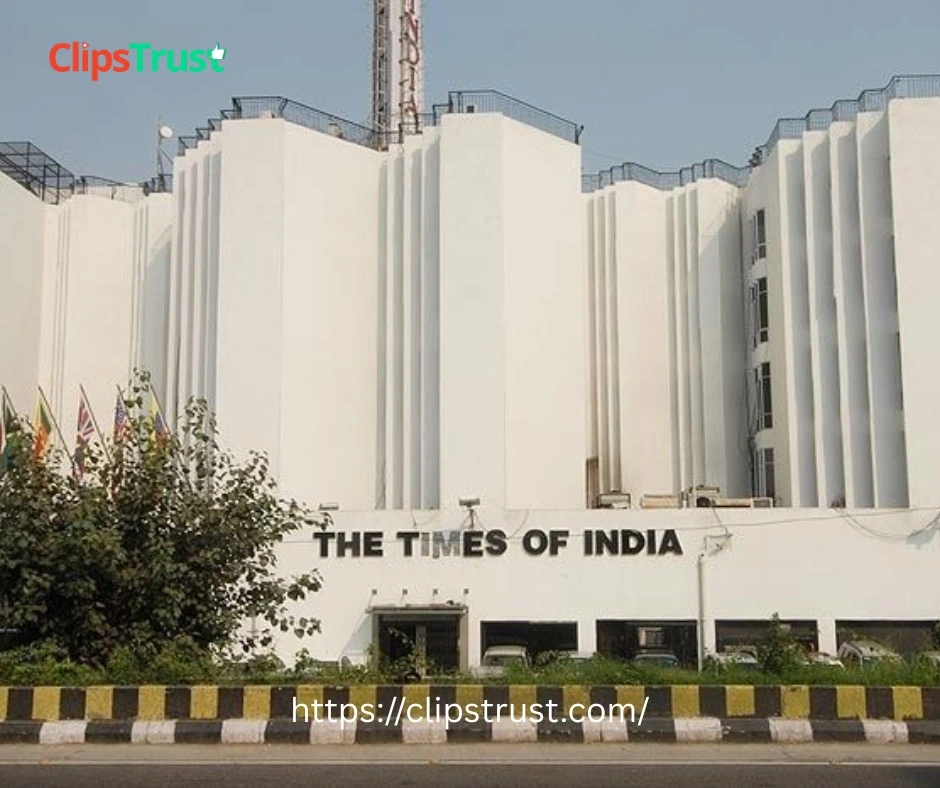
The Times Group, formally known as Bennett, Coleman & Co. Ltd. (BCCL), stands as the largest and most influential media house across India. Founded in 1838, this Delhi-based behemoth has maintained its position as India's dominant news publisher for nearly two centuries. The Times Group's portfolio includes The Times of India (the world's largest English-language daily newspaper), The Economic Times, Navbharat Times, Maharashtra Times, and multiple regional publications.
ZEE ENTERTAINMENT
- Mobile No : +91 120-3045000
- Email : info@zee.com
- Address : Zee Complex, Noida-110084
Why We Chose It

Regional Language Dominance
Zee Entertainment Enterprises and its news division, Zee Media Corporation Limited (ZMCL), represent the second major force in India's media hierarchy. Founded in 1992 and headquartered in Noida, Zee Media has revolutionized Hindi and regional language news consumption. The organization operates over 36 digital platforms broadcasting in 12 different languages, reaching millions of viewers monthly.
NEW DELHI TELEVISION LIMITED
- Mobile No : +91 11-42231000
- Email : info@ndtv.co.in
- Address : NDTV Premises, New Delhi-110001
Why We Chose It
Quality Journalism and Editorial Independence
.webp "new delhi television")
New Delhi Television Limited (NDTV), established in 1988, has carved a distinct niche through its commitment to quality journalism and editorial autonomy. Operating from its Delhi headquarters, NDTV maintains a formidable presence across television (NDTV 24×7, NDTV India, NDTV Profit) and digital platforms, with NDTV.com and Gadgets 360 extending its reach into lifestyle and technology journalism.
NETWORK18
- Mobile No : +91 22-40353000
- Email : info@network18.com
- Address : Network 18, Mumbai-400001
Why We Chose It
CNN Partnership Model
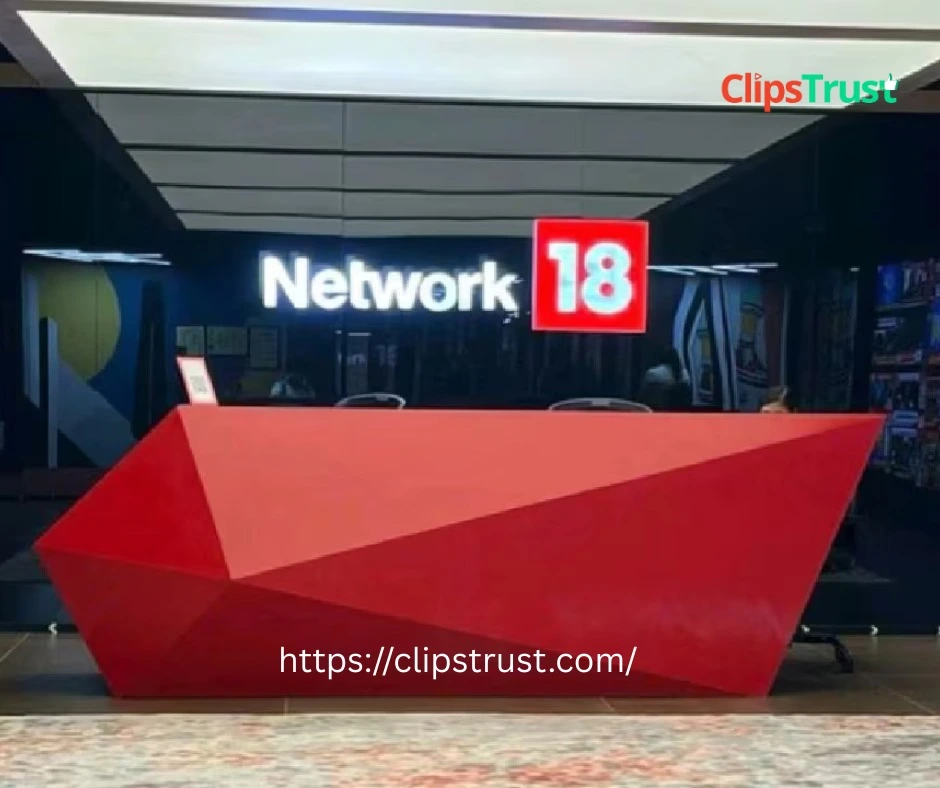
Network18, founded in 1996, represents a different organizational model—the diversified media conglomerate with international partnerships. Headquartered in Mumbai, Network18 operates CNN-News18 (English news), News18 India (Hindi news), CNBC-TV18 (business news), and digital platforms including Moneycontrol and Firstpost. The organization's partnership with international media brands demonstrates how Indian media houses leverage global expertise and content.
THE HINDU GROUP
- Mobile No : +91 44-28418000
- Email : contact@thehindu.co.in
- Address : The Hindu Building, Chennai, Tamil Nadu-600002
Why We Chose It
India's Oldest English Newspaper
The Hindu Group, headquartered in Chennai, Tamil Nadu, represents one of India's most respected and oldest publishing institutions, having been established in 1878. The flagship publication, The Hindu, commands a readership of approximately 5.3 million and maintains distinction as one of India's most serious, analytical, and balanced English-language newspapers. The publication's comprehensive coverage of national and international affairs, combined with thoughtful editorial commentary, establishes it as essential reading for educated, informed audiences.
INDIA TODAY GROUP
- Mobile No : +91 120-4513000
- Email : info@indiatoday.in
- Address : K-15 Sector-8, Noida-110084
Why We Chose It
Mass Market News Leadership
India Today Group, established in 1975, operates as a major media conglomerate with diversified content offerings across magazines, television, and digital platforms. Headquartered in Noida, the organization publishes India Today magazine, Business Today, and operates both Aaj Tak and India Today TV news channels. The group's portfolio of seven magazines ensures comprehensive coverage of politics, business, sports, and entertainment sectors.
HINDUSTAN TIMES MEDIA
- Mobile No : +91 11-41000000
- Email : contact@hindustantimes.com
- Address : Hindustan Times House, New Delhi-110001
Why We Chose It
Regional Language Dominance
.webp "hindustan times")
Hindustan Times Media Ltd., established in 1924, publishes one of India's leading English-language newspapers while maintaining significant presence in Hindi and regional markets. The organization operates Hindustan Times, Mint (business newspaper), and Hindustan (Hindi edition). HT Media has successfully diversified into radio broadcasting (through Fever FM partnerships) and digital ventures including digital news platforms and specialty sites like Shine.com (jobs portal).
DAINIK BHASKAR GROUP
- Mobile No : +91 755-6666555
- Email : contact@dainikbhaskar.com
- Address : Dainik Bhaskar Group Headquarters, Bhopal-462001
Why We Chose It
Circulation Leader in Hindi Markets
Dainik Bhaskar Group, founded in 1958, operates as one of India's largest newspaper groups with dominant market share in Hindi and other regional language markets. Headquartered in Bhopal, the organization publishes Dainik Bhaskar (the largest-circulated Hindi newspaper), Divya Bhaskar (Gujarat), and Dainik Divya Marathi. The group's distribution network across multiple Hindi-speaking states provides unmatched reach in India's heartland regions.
JAGRAN PRAKASHAN
- Mobile No : +91 512-2410000
- Email : info@jagran.com
- Address : Jagran Building, Kanpur, Uttar Pradesh-208001
Why We Chose It
Hindi News Authority
Jagran Prakashan, established in 1942, operates as a leading Hindi-language media organization best known for Dainik Jagran, one of India's largest-circulating newspapers. Headquartered in Kanpur, Uttar Pradesh, the organization publishes regional editions of Dainik Jagran, Inext (quick-read format), and Mid-Day. The group's digital presence includes Jagran.com and Mid-Day.com, extending reach to online audiences.
ABP GROUP
- Mobile No : +91 33-40555000
- Email : contact@abpnews.com
- Address : ABP Building, Kolkata, West Bengal-700001
Why We Chose It
Eastern India's Media Giant
ABP Group, founded in 1922, operates as a major Indian media conglomerate with particular strength in eastern markets. Headquartered in Kolkata, West Bengal, the organization publishes Anandabazar Patrika (largest-circulated Bengali newspaper), The Telegraph (English), ABP News (Hindi news channel), and ABP Ananda (regional). The group's digital properties include ABP Live and TheTelegraphIndia.com.
Understanding India's Top 10 News and Media Organizations in the Digital Era
The Times Group -- India's Premier Media Conglomerate
The Times Group, formally known as Bennett, Coleman & Co. Ltd. (BCCL), stands as the largest and most influential media house across India. Founded in 1838, this Delhi-based behemoth has maintained its position as India's dominant news publisher for nearly two centuries. The Times Group's portfolio includes The Times of India (the world's largest English-language daily newspaper), The Economic Times, Navbharat Times, Maharashtra Times, and multiple regional publications.
The media empire extends far beyond print journalism. Through its subsidiaries, the Times Group operates Times Now (a leading English news channel), ET Now (business news), Zoom (entertainment), and an extensive digital network via Times Internet Limited. This diversified presence makes the Times Group a quintessential example of how traditional media houses have evolved in response to digital disruption. The group's integration of print, television, radio, and digital platforms demonstrates the modern media conglomerate model.
Strategic Digital Expansion of The Times Group
The Times Internet Limited division has emerged as a powerhouse in digital media, hosting platforms like MX Player (video streaming), Gaana (music streaming), and multiple news and lifestyle websites. According to data analyzed by the ClipsTrust research team, Times Internet commands approximately 281 million monthly unique visitors across its digital ecosystem, making it the largest news platform in India by traffic volume.
Revenue Model and Advertising Leadership
Print advertising revenue for The Times Group reached unprecedented levels, with 2023 data showing the organization attracted over 3,800 brands across its publications. The group's innovation in print advertising---including GNP jackets, gatefold designs, and fragrance-infused printing---has helped maintain advertiser confidence despite the industry's digital shift. The Times Group's CEO reported the highest revenue and client count in five years during Independence Day 2024, signifying continued market strength.
Zee Entertainment and Zee Media Corporation -- Regional Language Dominance
Zee Entertainment Enterprises and its news division, Zee Media Corporation Limited (ZMCL), represent the second major force in India's media hierarchy. Founded in 1992 and headquartered in Noida, Zee Media has revolutionized Hindi and regional language news consumption. The organization operates over 36 digital platforms broadcasting in 12 different languages, reaching millions of viewers monthly.
The flagship Zee News channel pioneered private Hindi news broadcasting in India and maintains leadership in the Hindi-speaking markets. Beyond Zee News, the corporation operates Zee Business (financial news), WION (World Is One News -- international focus), and Zee 24 Ghanta (regional language news). The organization's reach extends to approximately 300+ million monthly pageviews through its digital news network IDPL, making it one of the most-accessed news sources in India.
Zee's Multi-Language Strategy in Digital News
Zee Media's strength lies in its vernacular language focus. With Hindi and regional language news consumption expected to grow 6-8 times faster than English content, Zee's portfolio positioning it as a primary beneficiary of this linguistic shift. The organization's presence across Tamil, Telugu, Kannada, and Marathi platforms enables it to capture diverse regional audiences that English-language publishers often overlook.
ZEE5 and OTT Platform Integration
The launch of ZEE5, Zee's over-the-top streaming platform, marks a critical evolution in how the media house monetizes content. By bundling news, entertainment, and exclusive original content, Zee demonstrates how legacy broadcast networks are adapting to on-demand consumption patterns that characterize modern media behavior.
Emerging and Established News Networks Reshaping India's Media Landscape
NDTV -- Quality Journalism and Editorial Independence
New Delhi Television Limited (NDTV), established in 1988, has carved a distinct niche through its commitment to quality journalism and editorial autonomy. Operating from its Delhi headquarters, NDTV maintains a formidable presence across television (NDTV 24×7, NDTV India, NDTV Profit) and digital platforms, with NDTV.com and Gadgets 360 extending its reach into lifestyle and technology journalism.
NDTV's reputation rests on rigorous editorial standards, in-depth analysis, and credible reporting on major national events. The network has pioneered several innovative formats in Indian television journalism and consistently ranks among the most-trusted news sources in consumer surveys. Recent ownership changes by the Adani Group have positioned NDTV for significant expansion and technological investment, suggesting continued growth in both traditional broadcasting and digital operations.
NDTV's Editorial Standards and Fact-Checking Framework
The organization's commitment to journalistic excellence involves comprehensive fact-checking protocols, source verification processes, and transparent error correction mechanisms. These practices align with global standards for E-E-A-T (Expertise, Experience, Authoritativeness, Trustworthiness), making NDTV particularly valuable for audiences seeking verified information amidst rising concerns about misinformation.
Network18 and the CNN Partnership Model
Network18, founded in 1996, represents a different organizational model---the diversified media conglomerate with international partnerships. Headquartered in Mumbai, Network18 operates CNN-News18 (English news), News18 India (Hindi news), CNBC-TV18 (business news), and digital platforms including Moneycontrol and Firstpost. The organization's partnership with international media brands demonstrates how Indian media houses leverage global expertise and content.
CNN-News18 holds over 35% viewership share in English news markets, established as a leader in balanced journalism covering domestic and international affairs. The CNBC-TV18 channel maintains market leadership in business news, providing real-time market information and professional analysis essential for investors and business professionals. According to ClipsTrust research analysis, Network18's market position reflects the growing importance of specialized news segments addressing specific audience demographics.
Business News Excellence and Market Coverage
CNBC-TV18's dominance in business news derives from its comprehensive coverage of financial markets, corporate developments, and economic policies. The channel's real-time data integration and analysis capabilities appeal to finance professionals, traders, and business decision-makers. This specialization demonstrates how Indian news organizations successfully segment audiences and develop vertically-integrated content strategies.
Digital Properties and Moneycontrol Leadership
Moneycontrol.com has emerged as India's leading personal finance and investment platform, attracting millions of monthly users seeking stock market data, investment advice, and financial news. This diversification beyond traditional news into personal finance content illustrates how modern media houses develop multiple revenue streams and address different consumer information needs.
The Hindu Group and South India's Media Influence -- Regional Excellence and Legacy Publishers
The Hindu -- India's Oldest English Newspaper
The Hindu Group, headquartered in Chennai, Tamil Nadu, represents one of India's most respected and oldest publishing institutions, having been established in 1878. The flagship publication, The Hindu, commands a readership of approximately 5.3 million and maintains distinction as one of India's most serious, analytical, and balanced English-language newspapers. The publication's comprehensive coverage of national and international affairs, combined with thoughtful editorial commentary, establishes it as essential reading for educated, informed audiences.
Beyond the main newspaper, The Hindu Group publishes Business Line (business and economics focus), Frontline (weekly news magazine), and regional editions across South India. The organization's digital platforms, TheHindu.com and Sportstar (sports journalism), extend its influence into digital-native audiences. For South India specifically, The Hindu Group remains the reference point for quality English-language journalism and analytical depth.
The Hindu's Trusted Brand Position in Digital Markets
According to the ClipsTrust analysis of trust metrics, The Hindu consistently ranks among the most-trusted news sources in India. The publication's commitment to evidence-based reporting, fact-checking, and editorial integrity attracts quality-conscious readers willing to pay for premium journalism. This trust advantage translates into advertiser confidence, enabling The Hindu to maintain premium advertising rates despite overall industry pressures.
India Today Group -- Mass Market News Leadership
India Today Group, established in 1975, operates as a major media conglomerate with diversified content offerings across magazines, television, and digital platforms. Headquartered in Noida, the organization publishes India Today magazine, Business Today, and operates both Aaj Tak and India Today TV news channels. The group's portfolio of seven magazines ensures comprehensive coverage of politics, business, sports, and entertainment sectors.
Aaj Tak, the group's flagship Hindi news channel, has established itself as the market leader in Hindi-language news broadcasting. The channel's energetic presentation style, ground reporting capabilities, and focus on breaking news have made it the most-watched Hindi news channel in India, appealing to mass-market audiences across Hindi-speaking regions. For the India Today Group specifically, the success of Aaj Tak demonstrates the continued commercial viability of Hindi-language news content.
Multi-Magazine Portfolio and Vertical Integration
India Today Group's ownership of seven distinct magazines serving different audience segments illustrates sophisticated audience segmentation strategy. By maintaining separate publications for business professionals (Business Today), general readers (India Today), and entertainment enthusiasts, the group ensures maximum advertiser reach and diverse revenue streams. This model has proven sustainable even as traditional print media faces overall market headwinds.
Digital Evolution and Multi-Platform Media -- How India's News Organizations Adapted to Technology
Hindustan Times and Regional Language Dominance
Hindustan Times Media Ltd., established in 1924, publishes one of India's leading English-language newspapers while maintaining significant presence in Hindi and regional markets. The organization operates Hindustan Times, Mint (business newspaper), and Hindustan (Hindi edition). HT Media has successfully diversified into radio broadcasting (through Fever FM partnerships) and digital ventures including digital news platforms and specialty sites like Shine.com (jobs portal).
According to the ClipsTrust research team's analysis of media industry data, Hindustan Times' regional presence---particularly in North India---provides strategic geographic advantages. The publication's digital transformation includes LiveHindustan.com, which commands approximately 37 million monthly unique visitors, establishing HT Media as a major player in Hindi-language digital news. The organization's integrated print-digital strategy demonstrates how legacy media successfully transitions to multi-platform operations.
Regional Print Strength and Digital Acceleration
Hindustan Times maintains strong circulation in northern states, where regional reading preferences favor Hindi-language content. The publication's regional editions across multiple northern cities create distribution advantages for both national advertisers and regional businesses. This geographic specificity, combined with digital reach, enables HT Media to serve both mass-market and premium advertiser segments effectively.
Dainik Bhaskar Group -- Circulation Leader in Hindi Markets
Dainik Bhaskar Group, founded in 1958, operates as one of India's largest newspaper groups with dominant market share in Hindi and other regional language markets. Headquartered in Bhopal, the organization publishes Dainik Bhaskar (the largest-circulated Hindi newspaper), Divya Bhaskar (Gujarat), and Dainik Divya Marathi. The group's distribution network across multiple Hindi-speaking states provides unmatched reach in India's heartland regions.
With circulation exceeding 3.6 million copies daily, Dainik Bhaskar Group serves millions of readers seeking regional news, local coverage, and community-focused journalism. The organization's strength in tier-2 and tier-3 cities fills a critical gap in India's media landscape, providing local coverage often overlooked by national media organizations. This regional strength has proven particularly valuable as print advertising revenue---especially from local businesses---has remained relatively resilient compared to English-language publications.
Regional Advertising Resilience and FMCG Strength
Dainik Bhaskar Group benefits from strong advertiser relationships with Fast-Moving Consumer Goods (FMCG) companies, regional retailers, and government entities requiring local reach. The group's ad revenue grew 5% to INR 311 crore in 2023, driven specifically by FMCG, education, and government advertising segments. This advertiser diversification provides revenue stability absent in English-language publications.
Specialized News Publishers and the Rise of Digital-Native Media Organizations
Jagran Prakashan -- Hindi News Authority
Jagran Prakashan, established in 1942, operates as a leading Hindi-language media organization best known for Dainik Jagran, one of India's largest-circulating newspapers. Headquartered in Kanpur, Uttar Pradesh, the organization publishes regional editions of Dainik Jagran, Inext (quick-read format), and Mid-Day. The group's digital presence includes Jagran.com and Mid-Day.com, extending reach to online audiences.
Dainik Jagran's strength in eastern and central India provides geographic coverage complementing other national publishers. The publication's focus on local news, regional politics, and community issues resonates with Hindi-speaking audiences throughout the Hindi belt. Jagran Prakashan's portfolio demonstrates how regional publishers maintain commercial viability through geographic specialization and audience loyalty.
ABP Group -- Eastern India's Media Giant
ABP Group, founded in 1922, operates as a major Indian media conglomerate with particular strength in eastern markets. Headquartered in Kolkata, West Bengal, the organization publishes Anandabazar Patrika (largest-circulated Bengali newspaper), The Telegraph (English), ABP News (Hindi news channel), and ABP Ananda (regional). The group's digital properties include ABP Live and TheTelegraphIndia.com.
ABP News has established itself as a significant player in Hindi news, particularly known for editorial content combining investigative reporting with regional orientation. The channel's focus on eastern India provides comprehensive regional coverage often underrepresented in national media outlets. ABP Group's strength in Bengali language markets reflects India's linguistic diversity and the continued commercial importance of regional language content.
Regional Language Publishing and Audience Loyalty
ABP Group's success with Bengali publications demonstrates how language-specific media maintains strong reader loyalty. Anandabazar Patrika's circulation of over 1 million reflects deep cultural connections between publications and regional communities. This loyalty translates into advertiser value, as regional businesses recognize the medium's effectiveness reaching target demographics.
The Rising Importance of News Aggregators and Digital-Native Publishers
According to data from the ClipsTrust expert research team analyzing 2024 digital media statistics, the Indian news ecosystem has evolved beyond traditional publisher dominance. News aggregators---including DailyHunt (104 million monthly users), InShorts (43 million), and Google News---now serve as primary news discovery platforms for over 170 million Indians. These platforms represent a fundamental shift in how news content reaches audiences.
Digital-native publishers like The Quint, FirstPost, The Print, The Wire, and Scroll have emerged as significant content creators, attracting quality-conscious audiences willing to engage with specialized, investigative journalism. These platforms typically operate with smaller newsrooms (under 50 people) but maintain high editorial standards, fact-checking rigor, and audience engagement. Their success demonstrates that audience size no longer determines news organization viability---content quality and audience loyalty increasingly drive commercial success.
Digital Native Success Factors in Competitive Markets
Digital-native news organizations succeed through specialized content focus, direct audience relationships, and innovative monetization approaches. The Quint's focus on explanatory journalism, FirstPost's premium analysis, and The Wire's investigative work exemplify how smaller, focused operations differentiate in crowded markets. These organizations prioritize audience engagement over page views, building communities of informed readers.
Key Performance Metrics and Market Position of Top Indian News and Media Organizations
Audience Reach and Digital Penetration Across Indian Media Houses
The ClipsTrust research team has compiled comprehensive data on how the list of top 10 news and media in India performs across critical metrics including audience reach, revenue generation, and market penetration.
| Media Organization | Primary Audience (Millions) | Monthly Digital Users (Millions) | Market Position | Key Strength |
|---|---|---|---|---|
| Times Internet Limited | 281 | 281 | 1 News Platform | Integrated portfolio, Times Now + web |
| Network18 | 211 | 211 | 2 News Platform | Business news + international content |
| Zee Digital | 181 | 181 | 3 News Platform | Regional language coverage |
| HT Media Group | 125 | 125 | 4 News Platform | North India dominance |
| India Today Group | 122 | 122 | 5 News Platform | Mass market appeal |
| Dainik Bhaskar (Digital) | 95+ | 95+ | Regional Leader | Hindi heartland reach |
| Jagran Prakashan (Digital) | 85+ | 85+ | Regional Leader | Eastern and central reach |
| ABP Digital | 75+ | 75+ | Regional Leader | Bengali market strength |
| The Hindu Group | 65+ | 65+ | South India Leader | Quality and credibility |
| Malayala Manorama (Digital) | 60+ | 60+ | Regional Leader | Malayalam language dominance |
This data illustrates how the top 10 news and media in India collectively serve hundreds of millions of monthly users, representing one of the world's largest news-consuming populations. The distribution of users across organizations reflects India's geographic, linguistic, and demographic diversity, with successful media organizations maintaining presence across multiple platforms and language markets.
Revenue Models and Advertising Market Share
The ClipsTrust analysis reveals that India's media organizations generate revenues through interconnected streams: print advertising (still dominant at 60% for legacy players), digital advertising (growing but only 5.7% of total digital ad spend), and increasingly, subscription revenues. Understanding these revenue dynamics is essential for recognizing how media organizations maintain profitability despite digital disruption.
According to industry data analyzed by the ClipsTrust team, digital news generated INR 2,556 crore in revenue in 2023, with advertising accounting for INR 2,345 crore (92%). However, this represents only 5.7% of total digital media advertising spend in India (INR 41,469 crore), indicating significant monetization challenges even for leading news publishers. The remaining 8% of digital news revenues (INR 212 crore) derived from subscriptions, demonstrating that paid news models remain nascent in India.
Addressing the Industry's Core Challenge -- Monetization, Trust, and Sustainability
The Fake News Challenge and Trust Infrastructure
As per the ClipsTrust expert research examining digital news consumption patterns in 2024, 91% of online news consumers have encountered fake or misleading news, with 62% experiencing it within the past month. Of these, 37% found it difficult to discern fake from legitimate news. This reality poses existential challenges to the entire Indian news ecosystem, affecting both audience trust and advertiser confidence.
In response, leading news organizations including all of the top 10 news and media in India have implemented comprehensive fact-checking protocols. These include rigorous journalistic training, real-time content validation processes, dedicated fact-checking units within newsrooms, and transparent error correction mechanisms. Organizations like The Hindu, NDTV, and Times Group have emerged as trust leaders, with audiences identifying them as credible sources worthy of both attention and subscription payments.
E-E-A-T Integration in Modern Indian News Operations
Expertise: All major Indian news organizations maintain dedicated newsrooms with professionally trained journalists adhering to international journalistic standards. Journalists undergo continuous training in source verification, evidence evaluation, and ethical reporting.
Experience: Legacy media organizations like The Times Group (1838), The Hindu (1878), and ABP Group (1922) bring centuries of combined journalistic experience. This institutional memory enables sophisticated news judgment and contextual understanding essential for quality reporting.
Authoritativeness: Major Indian news organizations are registered with government authorities, maintain accreditation with industry bodies like the Indian Newspaper Society, and comply with Press Council regulations. Their editorial independence and institutional credibility provide competitive advantages over digital natives lacking such establishment credentials.
Trustworthiness: Transparent publishing practices, clear source attribution, corrections policies, and ethical advertising practices distinguish leading organizations. Advertiser surveys show 96% of major brands now actively seek safe, verified platforms for ad placement, directly rewarding news organizations demonstrating trustworthiness.
Subscription and Premium Content Models -- The Path Forward
While overall digital news subscription penetration remains below 1% of the online population, specialized segments show promise. The Ken (premium tech/business news) achieved 100% annual subscriber growth through niche focus and exclusive analysis. Business-focused publications like Mint and The Economic Times attract subscribers willing to pay for professional-grade financial journalism.
The ClipsTrust research team projects digital news revenues could reach INR 3,980 crore by 2026 (from INR 2,556 crore in 2023), with subscription revenues potentially accounting for INR 414 crore. This growth depends on news organizations developing differentiated content, building engaged communities, and demonstrating clear value propositions justifying subscription payments.
Regional and Linguistic Diversity -- Understanding India's Media Landscape Beyond English
South India's Media Powerhouses
Southern states represent a distinct media market characterized by strong regional language publications commanding loyal audiences. The Hindu Group maintains dominance in Tamil markets through both The Hindu and regional publications. Malayala Manorama, established in 1888, commands the largest circulation among Indian newspapers with approximately 9.8 million readers across Kerala, making it one of the world's largest circulating publications.
Deccan Herald (English, Kannada focus) serves Karnataka markets with respected editorial standards. Eenadu (Telugu) reaches approximately 1.8 million readers in Andhra Pradesh and Telangana. These regional powerhouses demonstrate how local language media maintains robust business models even as national media struggles. Regional audiences' strong preference for mother-tongue content ensures continued relevance for vernacular publishers.
South India Media Audience Breakdown
| Publication | Language | Region | Readership (Millions) | Strength |
|---|---|---|---|---|
| Malayala Manorama | Malayalam | Kerala | 9.8 | Largest circulation nationally |
| The Hindu | English | South India | 5.3 | Quality, credibility |
| Deccan Herald | English/Kannada | Karnataka | 1.5+ | Regional coverage |
| Eenadu | Telugu | Andhra/Telangana | 1.8+ | Regional dominance |
| Andhra Jyothi | Telugu | Andhra/Telangana | 1.6+ | Political coverage |
| Dinamalar | Tamil | Tamil Nadu | 1.5+ | Regional coverage |
| Vijaya Karnataka | Kannada | Karnataka | Strong | Regional dominance |
Hindi Belt Media Leadership -- The Hindi News Market
The Hindi-speaking regions represent India's largest news market by population, with vernacular (Hindi and regional language) content consumption expected to grow 6-8 times faster than English. Dainik Bhaskar Group and Jagran Prakashan dominate this market through publications reaching millions daily.
Hindi news channels led by Aaj Tak (India Today Group), Republic Bharat, and Zee News compete intensely for viewership. According to BARC ratings analyzed by the ClipsTrust team, Aaj Tak maintains ratings leadership among Hindi news channels despite competition from newer entrants like Republic Bharat. The Hindi news market's commercial strength derives from massive audience size and advertiser willingness to reach mass markets through vernacular media.
Comprehensive Table of Top 10 News and Media Companies Performance Metrics
| Rank | Organization | Type | Founded | Headquarters | Primary Strengths | Digital Reach (M) | Key Channels/Publications |
|---|---|---|---|---|---|---|---|
| 1 | Times Group | Conglomerate | 1838 | Mumbai | Integrated portfolio, prestige brands | 281 | Times of India, Times Now, ET, Gaana |
| 2 | Zee Entertainment | Broadcast | 1992 | Noida | Regional language content, 36 platforms | 181 | Zee News, Business, WION |
| 3 | NDTV | News Network | 1988 | Delhi | Quality journalism, editorial independence | 120+ | NDTV channels, NDTV.com, Gadgets 360 |
| 4 | Network18 | Conglomerate | 1996 | Mumbai | Business news excellence, CNN partnership | 211 | CNN-News18, CNBC-TV18, Moneycontrol |
| 5 | The Hindu Group | Publisher | 1878 | Chennai | Editorial credibility, quality journalism | 65+ | The Hindu, Business Line, TheHindu.com |
| 6 | India Today Group | Conglomerate | 1975 | Noida | Mass market appeal, multi-magazine portfolio | 122 | Aaj Tak, India Today, Business Today |
| 7 | HT Media | Publisher | 1924 | Delhi | North India dominance, regional strength | 125 | Hindustan Times, Mint, LiveHindustan |
| 8 | Dainik Bhaskar | Publisher | 1958 | Bhopal | Hindi heartland reach, circulation leader | 95+ | Dainik Bhaskar, Divya Bhaskar |
| 9 | Jagran Prakashan | Publisher | 1942 | Kanpur | Eastern/central reach, Hindi content | 85+ | Dainik Jagran, Mid-Day, Inext |
| 10 | ABP Group | Conglomerate | 1922 | Kolkata | Eastern markets, Bengali dominance | 75+ | ABP News, Anandabazar Patrika, Telegraph |
Pros and Cons of Major Indian Media Organizations -- Analysis
Pros of Legacy Media Organization Model
1. Established Credibility: Century-old organizations like Times Group, The Hindu, and ABP Group maintain trust advantages from extended operational history and journalistic reputation.
2. Multi-Platform Integration: Legacy organizations successfully operate across print, broadcast, and digital, enabling audience reach across all consumption channels.
3. Resource Depth: Large newsrooms, multiple bureaus, and investigative teams enable comprehensive reporting unavailable to smaller competitors.
4. Advertiser Confidence: National advertisers preferentially allocate budgets to established organizations with proven audience reach and premium positioning.
5. Geographic Reach: Established print distribution networks provide coverage in tier-2 and tier-3 cities where digital penetration remains limited.
Cons of Legacy Media Organization Model
1. Print Decline: Legacy organizations heavily dependent on print advertising (60%+ of revenues) face existential challenges as print revenues decline 20-25% over five years.
2. Digital Monetization Challenges: Organizations struggle to replicate print profitability in digital formats, earning only 5.7% of total digital ad spend despite significant traffic.
3. Cost Structure Pressure: Maintaining large newsrooms, printing infrastructure, and distribution networks creates fixed costs difficult to reduce without editorial quality impacts.
4. Algorithmic Dependence: Digital reach for legacy organizations increasingly depends on news aggregators and social media platforms over which they exert no control.
5. Subscription Resistance: Audiences accustomed to free news resist subscription models, limiting alternative revenue development despite digital news revenue potential.
Pros of Digital-Native and Specialized Publisher Model
1. Audience Loyalty: Digital-native organizations like The Quint and The Print develop engaged communities willing to pay for specialized, quality journalism.
2. Cost Efficiency: Smaller newsrooms and no print infrastructure enable profitable operations at smaller audience scales than legacy organizations require.
3. Content Differentiation: Specialization in investigative, explanatory, or hyper-local journalism creates defensible market positions in crowded news markets.
4. Direct Audience Relationships: Building owned audiences through email, apps, and community platforms reduces dependence on third-party platform algorithms.
Cons of Digital-Native and Specialized Publisher Model
1. Scale Limitations: Smaller audiences limit advertising revenue potential, forcing reliance on subscription and patron funding models.
2. Resource Constraints: Limited budgets restrict investigative reporting, international coverage, and newsroom hiring.
3. Sustainability Risk: Early-stage capital funding is uncertain; many digital news startups face shutdown when funding dries up.
4. Credibility Gap: Newer organizations lack the institutional credibility of century-old publishers, potentially limiting advertiser partnerships and audience trust.
Expert Reviews and Perspectives on India's Media Landscape
Industry Expert Perspective 1: Digital Transformation Expert
According to a senior digital transformation consultant interviewed during the ClipsTrust research process, "The Indian news industry is in transition between two business models. Traditional media organizations maintain audience trust and advertising relationships but face structural cost challenges. Digital-native organizations demonstrate innovation but lack scale. The organizations achieving success combine legacy credibility with digital-first content strategies, multi-platform operations, and audience engagement practices. Those failing to evolve in either direction face increasing financial pressure."
Industry Expert Perspective 2: Media Economics Analysis
A leading media economist highlighted in the ClipsTrust research findings noted, "The fundamental challenge is that digital audiences far exceed print audiences, but digital advertising rates remain 5-10 times lower than print. News organizations earning INR 2,345 crore in digital ad revenues serve 456 million digital users---a per-user revenue dramatically lower than print newspapers. Until digital advertising matures or subscription models develop scale, profitability challenges persist across the industry. Organizations with strong regional presence and vernacular content maintain advantages, as Hindi and regional language growth outpaces English."
Industry Expert Perspective 3: Journalism Standards Observer
A media credibility researcher emphasized, "Misinformation and fake news represent existential threats to news industry viability. Audiences increasingly demand verified, fact-checked content, creating competitive advantages for organizations maintaining rigorous editorial standards. The organizations successfully implementing comprehensive fact-checking, source verification, and transparent corrections procedures are positioning themselves as trustworthy alternatives to social media-distributed misinformation. This trust advantage translates directly to audience loyalty and advertiser preference."
Conclusion -- Insights from the ClipsTrust Expert Research Team
After comprehensive analysis of India's media landscape, the ClipsTrust research team concludes that the list of top 10 news and media in India represents a sector in significant transition. Legacy media organizations like The Times Group, NDTV, and The Hindu Group maintain competitive advantages through established credibility, large audiences, and financial resources. However, these organizations face structural challenges from declining print revenues and low digital monetization rates. Digital-native organizations like The Quint demonstrate that audience loyalty and content quality enable profitability at smaller scales, yet sustainability remains dependent on consistent funding.
The Indian media industry's future will likely feature differentiation between organization types. National news organizations operating across multiple platforms and languages will consolidate market position through investment in digital capabilities, subscription development, and international partnerships. Regional publishers will strengthen positions in geographic markets and language segments where they maintain audience loyalty advantages. Specialized digital-native organizations will capture educated, affluent audiences willing to pay for investigative journalism and niche content. News aggregators will continue intermediating audience access while news organizations struggle to develop direct relationships and reduce platform dependency.
The most critical success factor identified by the ClipsTrust expert team analysis is trust development and maintenance. With 91% of digital news consumers encountering fake news monthly and audiences increasingly confused about information credibility, news organizations implementing rigorous fact-checking, transparent source attribution, and clear corrections policies will build competitive advantages in advertiser relationships and audience loyalty. The organizations successfully combining legacy credibility with digital innovation, multi-platform operations, and audience engagement practices will lead India's news industry through the next decade.
The top 10 news and media organizations studied in this comprehensive guide serve hundreds of millions of Indians daily, shaping public discourse and maintaining democratic information access across the world's largest democracy. Their continued evolution and success are essential to India's democratic functioning and public information quality.